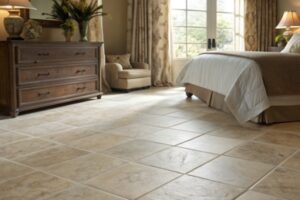
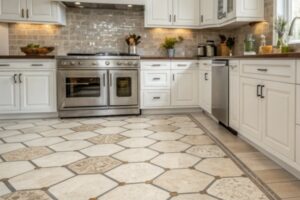
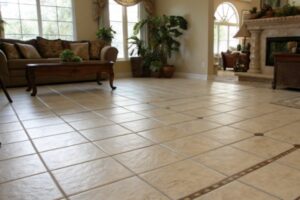
Choosing the right tile feels overwhelming. A wrong pick means cracks or stains down the road. Let's clear up the confusion between porcelain1 and ceramic for good.
Porcelain is a type of ceramic tile2, but it's made from a denser clay and fired at a higher temperature. This process makes porcelain1 harder, less porous, and more durable than standard ceramic, making it better for high-traffic areas and outdoor use3.
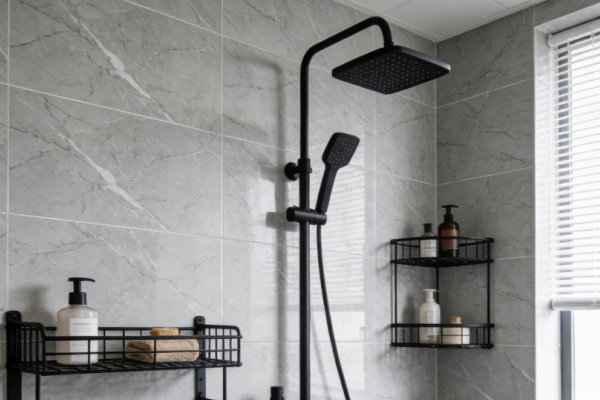
The difference seems small, but it has a huge impact on where you should use each tile. If you get this wrong, your beautiful new floor could fail in just a few years. Let's dive deeper so you can make the right choice for your project.
First, What Exactly Are Ceramic Tiles?
You see classic tiles in homes everywhere. Their beauty is timeless, but how are they made? Understanding this simple process helps you pick a tile that will last.
Ceramic tiles are made from a mixture of natural clay, sand, and water. This mix is molded into shape and then fired in a kiln at a high temperature. This baking process makes the tile hard and durable for home use.
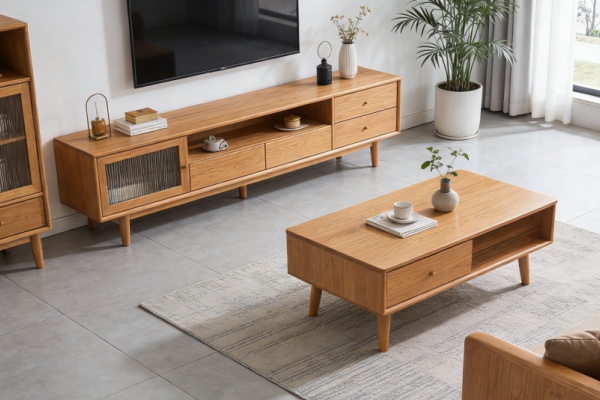
For thousands of years, people have been making ceramic tile2s. The basic recipe hasn't changed much. You start with clay, mix it with other natural materials4 like sand and water, and form it into the shape you want. After it's shaped, you can add finishes. Some tiles get a glaze5, which is like a glass coating that adds color and a protective layer. Others might be printed with a pattern. The final step is firing them in a kiln. This high-heat baking removes moisture and fuses all the materials together. The type of clay and the finish used create a huge variety of styles. A glossy, 3D tile is perfect for a backsplash, but you wouldn't want it on a kitchen floor. For that, you'd need a tile with a strong, matte finish.
Core Components of Ceramic Tile
| Component | Purpose |
|---|---|
| Clay | The main structural ingredient. |
| Sand & Feldspar | Add strength and stability. |
| Water | Binds the materials together for molding. |
| Glaze (Optional) | Adds color, pattern, and a protective surface. |
So, How Are Porcelain Tiles Different?
You need a tile that can handle heavy foot traffic. Many tiles look strong, but they can crack or wear down. How do you find one that is truly built to last?
Porcelain is a specific type of ceramic tile2. It uses a finer, more purified clay and is fired at much higher temperatures. This creates a tile that is denser, less porous, and significantly stronger than traditional ceramic, making it ideal for demanding environments.
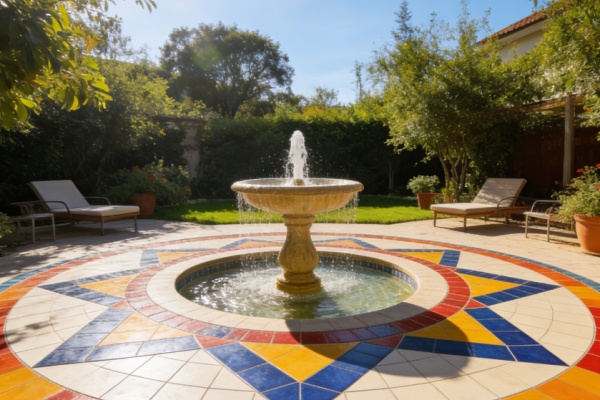
The key differences between porcelain1 and ceramic come down to two things: the clay and the heat. Porcelain is made with a very fine and dense clay, often with a higher concentration of feldspar and quartz. This refined mixture is then pressed and fired at extreme temperatures, much hotter than those used for standard ceramic. This intense process makes the porcelain1 tile incredibly dense and hard. A huge benefit of this density is its low water absorption6 rate. Because it absorbs very little water, it's less likely to expand and contract with temperature changes. This is why porcelain1 is the best choice for outdoor projects, as it won't crack during a freeze. This durability also makes it the go-to tile for commercial spaces like hotel lobbies and airports, where it can withstand constant heavy traffic for years.
Manufacturing: Ceramic vs. Porcelain
| Feature | Standard Ceramic | Porcelain |
|---|---|---|
| Clay Type | Standard, less refined clay | Fine, purified, dense clay |
| Firing Temp. | High | Extremely High |
| Water Absorption | Higher | Very Low (<0.5%) |
| Resulting Density | Less Dense | Very Dense and Hard |
When Should You Choose Ceramic Tiles?
You're trying to stick to a budget for your remodel. You need a tile that looks great without being too expensive. Is there a good option that is both affordable and stylish?
Ceramic tiles are an excellent choice for budget-conscious projects7. They are generally more affordable and are easier to cut and install, which can make them a great fit for a DIY renovation8. Unglaze5d versions also provide a natural, non-slip surface for certain areas.
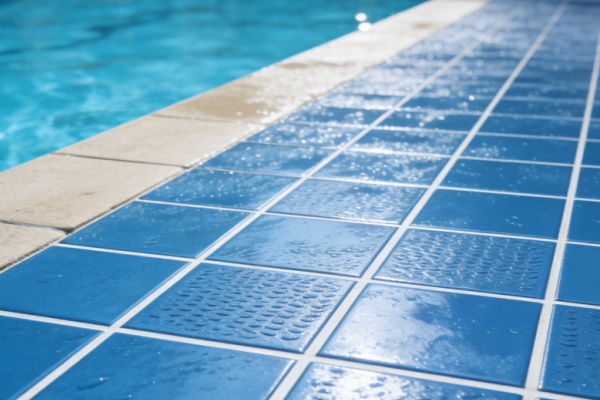
Ceramic tile is a fantastic material, as long as you use it in the right place. Its biggest advantage is often the price. You can find many beautiful and stylish ceramic options that are very affordable, which helps keep your project on budget. Another big plus is how easy it is to work with. Ceramic is less dense than porcelain1, so it's much easier to cut. This makes it a popular choice for people who want to install their own tile. If you’re looking for a rustic, earthy aesthetic, unglazed ceramic9//tabriztilegroup.com/en/what-is-glaze-and-all-kinds-of-glazes-in-the-ceramic-tile-industry/)5d ceramic offers a natural look and a slip-resistant texture. However, you have to know its limits. Because it's not as strong as porcelain1, I would never recommend it for high-traffic floors10 like a main hallway or busy kitchen. It's also more porous, so it can absorb moisture. This makes it a poor choice for shower floors or any outdoor application.
Ceramic Tile: A Quick Summary
| Pros | Cons |
|---|---|
| ✅ Very affordable | ❌ Not for high-traffic floors10 |
| ✅ Easier to cut and install (DIY-friendly) | ❌ Absorbs more water |
| ✅ Available in unglaze5d, natural finishes | ❌ Not suitable for outdoor use3 |
Is Porcelain Tile Always the Better Choice?
You want the most durable tile you can find. But the higher price tag can be a concern. What are the real trade-offs you have to consider before you buy?
Porcelain is extremely durable and water-resistant, perfect for busy floors and wet areas like showers. Its color often runs through the entire tile, hiding chips. However, it costs more and is harder to cut, often requiring professional installation11.
Porcelain is a powerhouse tile. Its incredible durability means it can handle almost anything you throw at it, from a busy family living room to a commercial entryway. Because it’s so non-porous, water is not an issue, and it resists staining very well. One of my favorite features is the "through-body" or "color-body" option. This means the surface pattern or color goes all the way through the tile. If you ever get a deep chip, it’s much harder to see because the inside of the tile looks the same as the top. But these benefits come at a cost. Porcelain is usually more expensive than ceramic. While more affordable options exist, they often have very simple designs. The biggest challenge is installation. The same hardness that makes porcelain1 so durable also makes it very difficult to cut. You need special tools, and many people choose to hire a professional, which adds to the total cost of the project.
Porcelain Tile: A Quick Summary
| Pros | Cons |
|---|---|
| ✅ Extremely durable and long-lasting | ❌ Higher price tag |
| ✅ Water-resistant and stain-resistant | ❌ Difficult to cut (needs special tools) |
| ✅ Through-body color hides chips | ❌ Often requires professional installation11 |
Conclusion
Choosing between ceramic and porcelain1 depends on your project's location, traffic, and budget. Now you have the knowledge to select the perfect tile with complete confidence.
Explore the advantages of porcelain tiles, including durability and water resistance, to make an informed choice for your project. ↩
Learn about the manufacturing process of ceramic tiles to understand their durability and aesthetic options. ↩
Find out why porcelain tiles are ideal for outdoor applications and how they perform in various weather conditions. ↩
Explore the natural materials that contribute to the beauty and durability of ceramic tiles. ↩
Learn about the role of glaze in enhancing the appearance and functionality of ceramic tiles. ↩
Discover how water absorption rates influence tile durability and suitability for different environments. ↩
Get insights on budget-friendly tile choices that don't compromise on style or quality. ↩
Explore tips and guides for successfully installing ceramic tiles yourself, saving money on labor. ↩
Understand the advantages of unglazed ceramic tiles, including their natural look and slip resistance. ↩
Learn about the best tile options for high-traffic areas to ensure durability and longevity. ↩
Learn when it's best to hire a professional for tile installation to avoid costly mistakes. ↩