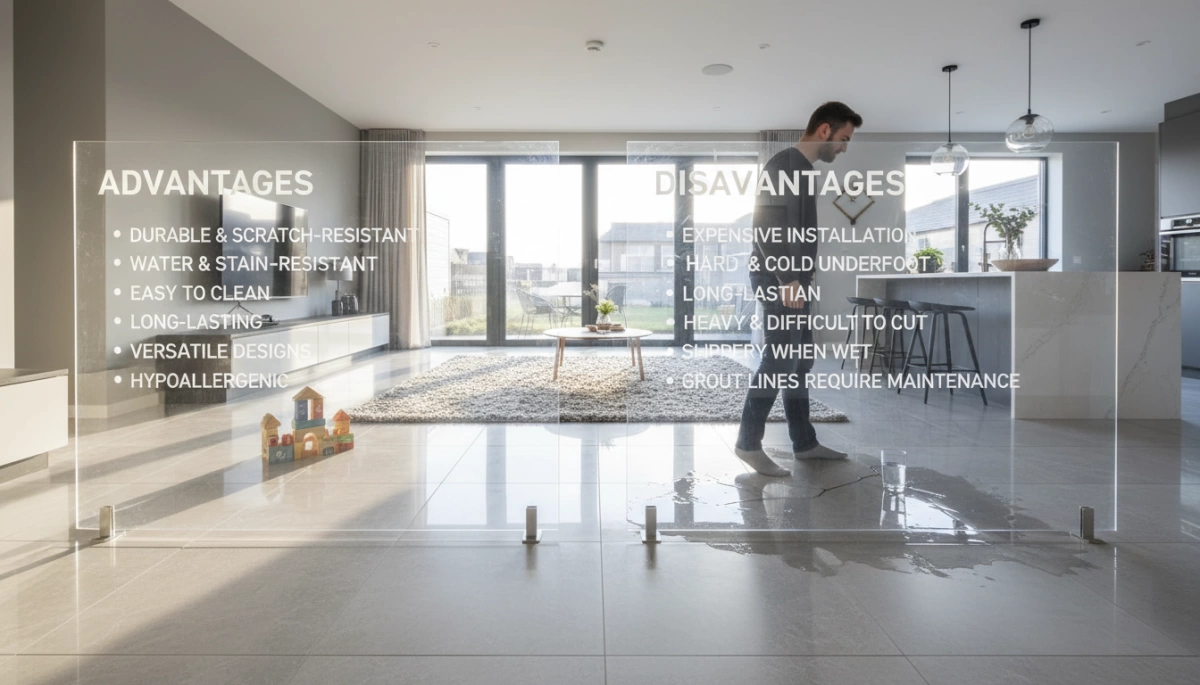
Are you struggling to decide if porcelain is the right fit for your next renovation?
Choosing the perfect flooring can make or break your space’s design and functionality.
As an industry expert, I know that understanding the true advantages and disadvantages of porcelain tile flooring is crucial before you invest your hard-earned money.
In this post, you’re going to learn exactly what to expect from this popular material, step by step.
I’ll break down everything from its exceptional durability and superior water resistance to the hidden challenges like its heavy installation and higher initial purchase cost.
Plus, we will settle the porcelain vs. ceramic tile debate once and for all, and look closely at the true cost and installation factors.
So if you want to make a smart, long-lasting flooring decision for your indoor or outdoor project, this guide is for you.
Let’s dive right in.
What is Porcelain Tile Flooring?
Porcelain tile flooring is a premium, highly durable surface solution renowned for its density and structural strength. As one of the most sought-after flooring options on the global market, it delivers an unparalleled combination of elegance and resilience, making it a top-tier choice for both residential and commercial spaces.
The Manufacturing Process
As a dedicated porcelain tile manufacture and supplier, we utilize a rigorous engineering process to create every single tile. Porcelain is crafted from highly refined, purified clay blended with natural minerals. This specialized mixture is pressed under immense pressure and fired in kilns at extreme temperatures exceeding 2,200 degrees Fahrenheit.
This intense manufacturing process yields several core structural benefits:
- Extreme Density: Creates a solid, heavy-duty core that resists cracking.
- Superior Water Resistance: The high firing temperature minimizes porosity, making the tile nearly waterproof and immune to moisture damage.
- Maximum Scratch Resistance: The hardened surface easily withstands heavy foot traffic, dropped objects, and daily wear.
Polished vs. Unpolished Finishes
Selecting the right finish is essential for maximizing both the aesthetic and functional value of your architectural project. Because porcelain is incredibly hard, specialized cutting tools are often required to shape both polished and unpolished variations during installation.
- Polished Porcelain: These tiles undergo a specialized grinding and buffing process to achieve a high-gloss, mirror-like finish. They instantly elevate the luxury of a room by reflecting light, making indoor spaces appear significantly larger and brighter.
- Unpolished (Matte) Porcelain: Left in their natural, textured state after the firing process, unpolished tiles provide excellent grip and slip resistance. They offer a contemporary, grounded aesthetic and are the ideal choice for outdoor applications, bathrooms, and high-traffic commercial environments where safety is a strict priority.
Key Advantages of Porcelain Tile Floors
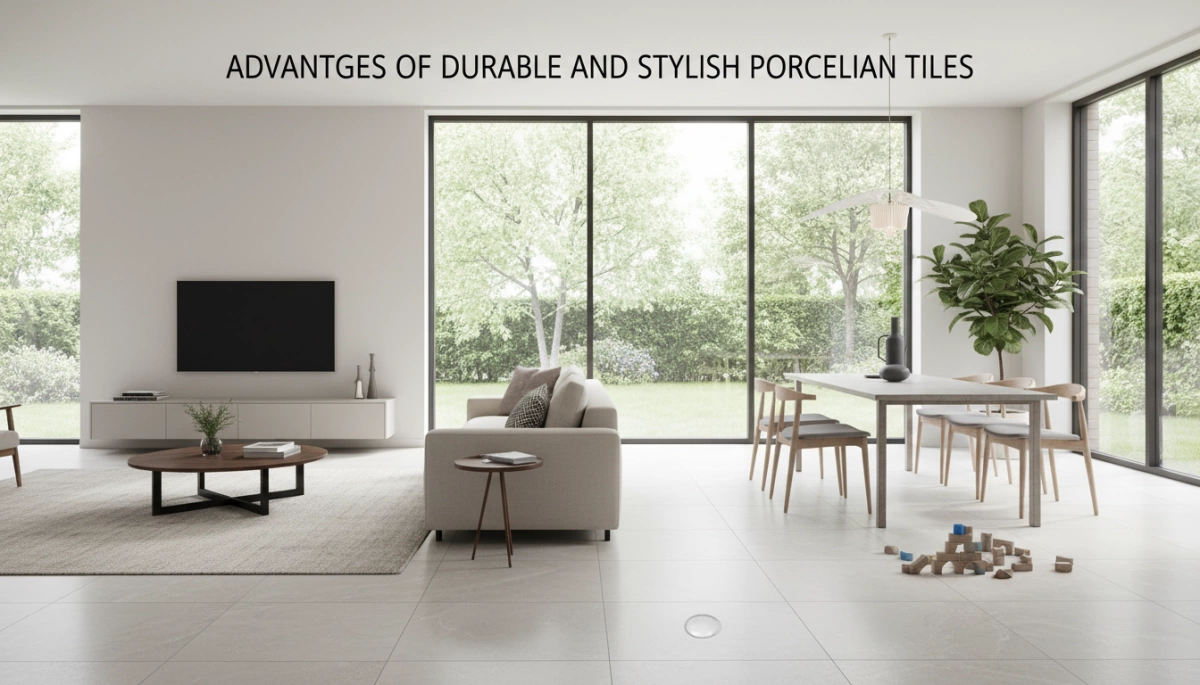
As a porcelain tile manufacturer and supplier, we see firsthand why this material remains a top choice for both residential and commercial projects. Porcelain tile flooring offers a unique blend of high-end performance and long-term value that many other flooring options simply cannot match.
Exceptional Durability for High Traffic
Porcelain is incredibly dense and hard, making it the “tough guy” of the tile world. Because it is fired at much higher temperatures than standard ceramic, it handles heavy foot traffic without showing signs of wear.
- Scratch Resistance: The surface is tough enough to resist scuffs from heavy furniture and pet claws.
- Impact Strength: It is much less likely to crack or chip under pressure.
- Commercial Grade: Its toughness makes it suitable for busy retail spaces and hallways.
Superior Water and Moisture Resistance
One of the biggest wins for porcelain is its nearly waterproof nature. To be classified as porcelain, the tile must have a water absorption rate of less than 0.5%.
- Ideal for Wet Areas: This makes it the perfect solution for bathrooms, laundry rooms, and kitchens.
- Stain Protection: Because the surface is so dense, liquids stay on top rather than seeping in and causing permanent marks.
- Frost Resistance: Its low moisture intake prevents it from cracking in freezing temperatures, making it a reliable outdoor choice.
Low Maintenance and Easy to Clean
You don’t need expensive sealers or specialized chemicals to keep these floors looking brand new. It is one of the most hygienic flooring options available today.
- Simple Care: A quick sweep and a damp mop are usually all that’s required for daily upkeep.
- Bacteria Resistant: The non-porous surface doesn’t harbor allergens, mold, or bacteria.
- Chemical Resistance: It stands up well to common household cleaners without losing its finish or color.
Versatile Styles and Visual Appeal
Modern manufacturing technology allows us to create porcelain that mimics almost any natural material with stunning accuracy.
- Natural Aesthetics: You can achieve the look of hardwood, marble, or limestone without the high maintenance of those materials.
- Design Flexibility: Available in a massive range of colors, patterns, and sizes, including large-format slabs.
- Finish Options: Choose from matte, textured, or polished surfaces to fit the specific vibe of your room.
Main Disadvantages of Porcelain Tiles
While we stand by the quality of our products, it is important to look at the full picture when comparing different flooring options. Here are the primary drawbacks you need to consider before making a final decision.
Higher Initial Purchase Cost
Porcelain comes with a higher upfront price tag compared to standard ceramic, vinyl, or laminate.
- Budget impact: The refined clay and intense firing process drive up the material cost.
- Supplier insight: Because we are porcelain tile manufacture and supplier, we know the initial investment is higher, though it generally pays off through decades of use.
Heavy and Challenging to Install
The extreme density of porcelain makes it incredibly heavy and tough to work with.
- Labor intensive: Moving the materials and prepping the subfloor requires serious physical effort.
- Specialized equipment: Standard tile cutters often fail on porcelain. You must use professional diamond-blade cutting tools to prevent the tiles from cracking or chipping during installation.
Hard and Cold Underfoot
The same solid build that provides excellent scratch resistance also makes the floor quite unforgiving.
- Comfort level: Standing on a hard porcelain surface for long periods can be tough on your feet and joints.
- Temperature: The material stays naturally cold. If you live in a cooler climate, you may need to invest in radiant underfloor heating to keep the space comfortable.
Can Be Slippery When Wet
Porcelain is famous for its superior water resistance, but water sitting on the surface creates a distinct safety hazard.
- Polished risks: High-gloss finishes become extremely slick when wet.
- The fix: Always choose matte or textured finishes for wet areas like bathrooms, kitchens, or entryways to ensure proper traction and prevent falls.
Porcelain vs. Ceramic Tile: Understanding the Differences
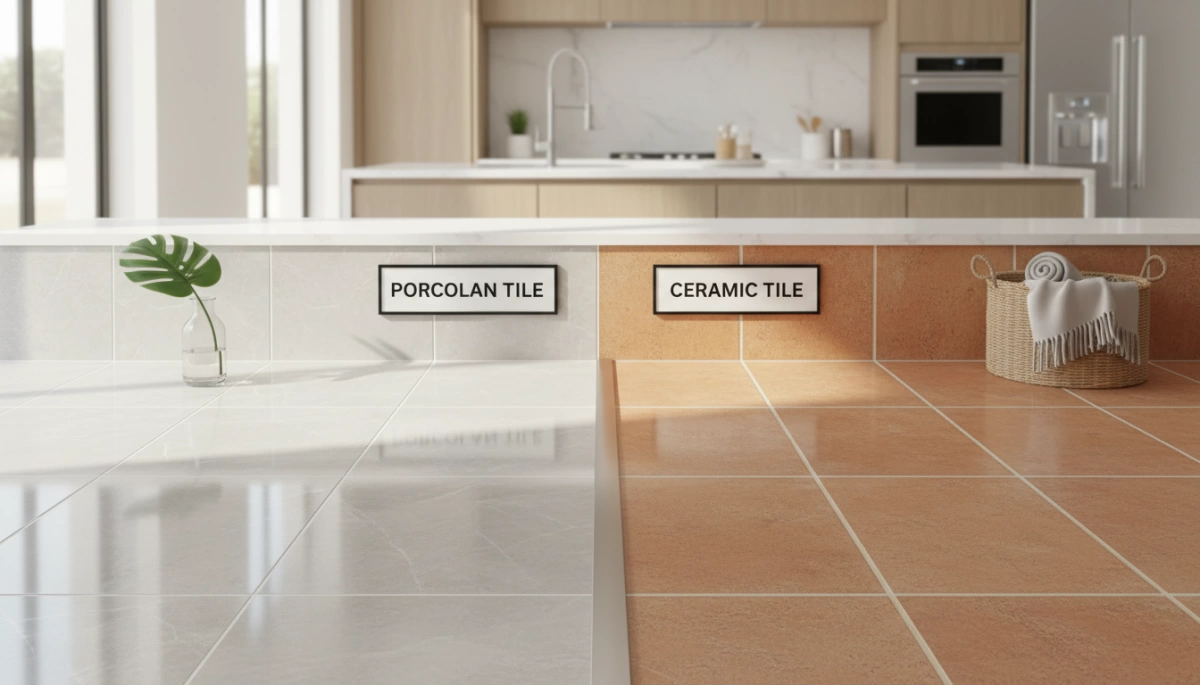
While they look similar on the surface, the technical differences between porcelain and ceramic are significant. As a porcelain tile manufacture and supplier, I always tell my clients that choosing the right one depends entirely on where you are putting it and how much abuse the floor will take.
Water Absorption and Density
The biggest divider is density. Porcelain is fired at much higher temperatures than ceramic, making it almost completely solid. To be classified as porcelain, the tile must have a water resistance rate of 0.5% or lower.
- Porcelain: Extremely dense with minimal pores; perfect for bathrooms and outdoor patios.
- Ceramic: More porous; better suited for dry indoor areas like bedroom walls or backsplashes.
Longevity and Wear Resistance
When it comes to scratch resistance and heavy foot traffic, porcelain is the clear winner. Because porcelain is “through-body” (the color goes all the way through the tile), a small chip is barely noticeable. Ceramic usually has a glazed top layer; if it chips, the red or white clay underneath shows through.
| Feature | Porcelain Tile | Ceramic Tile |
|---|---|---|
| Durability | High (Commercial Grade) | Moderate (Residential) |
| Density | Very High | Low to Moderate |
| Moisture Limit | < 0.5% Absorption | > 0.5% Absorption |
| Best Use | High-traffic, Wet areas | Low-traffic, Walls |
Price and Budget Considerations
If you are looking for affordable flooring options, ceramic is usually the winner on price. It is easier to manufacture and easier to cut with basic tools. Porcelain is a premium product. It costs more upfront and requires specialized cutting tools because it is so hard, but it lasts decades longer, making it a better long-term investment for your property.
Cost and Installation of Porcelain Flooring
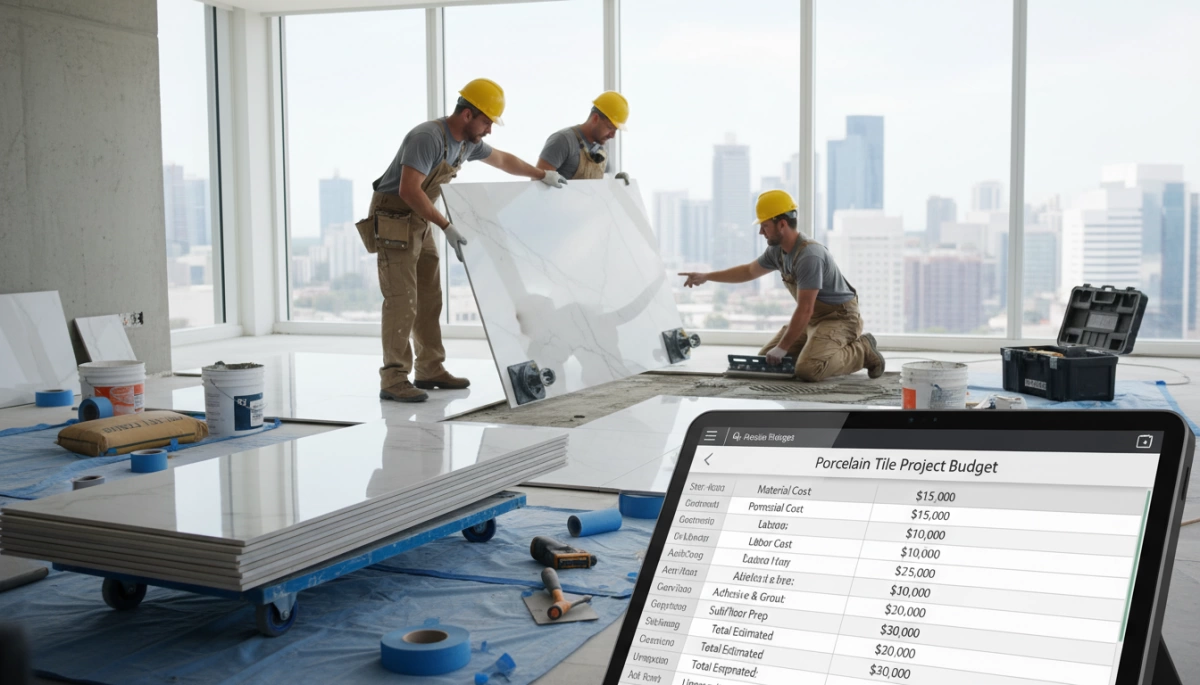
When weighing the advantages and disadvantages of porcelain tile flooring, the financial investment and the labor required are the two biggest factors to consider. As a porcelain tile manufacturer and supplier, we always advise clients to look at the total “landed” cost, which includes both the premium material and the specialized labor needed to set it correctly.
Average Material and Labor Costs
Porcelain is a high-end product, and its pricing reflects its density and durability. While it offers a better long-term value than many other flooring options, the initial layout is higher than ceramic or laminate.
- Material Costs: Expect to pay anywhere from $3 to $10 per square foot for quality porcelain. Designer patterns or large-format slabs can go even higher.
- Labor Costs: Installation typically ranges from $5 to $15 per square foot. The price fluctuates based on your location and the complexity of the layout (like herringbone or offset patterns).
- Total Investment: For a standard room, you should budget between $8 and $25 per square foot for a fully finished, professional result.
Professional Installation vs. DIY Challenges
We often get asked if porcelain is a “weekend warrior” project. Honestly, it is one of the most difficult materials for a DIYer to handle. Because porcelain is so dense, it requires specific cutting tools, such as a wet saw with a diamond blade, to prevent cracking and jagged edges.
- Weight and Density: Porcelain tiles are heavy and hard. This makes them difficult to maneuver and even harder to trim around corners or plumbing fixtures.
- Subfloor Preparation: To prevent cracking, the subfloor must be perfectly level. Professionals use specific thin-set mortars and leveling systems that are hard to master without experience.
- The Risk of Waste: If you aren’t experienced with the material, you can easily waste 20% of your stock through improper cuts or breakage. Hiring a pro ensures the water resistance and structural integrity of the floor are maintained, protecting your investment for decades.
Is Porcelain Tile Right for Your Project?
When evaluating different flooring options, you need a material that aligns with your specific lifestyle and environment. Understanding the Advantages and Disadvantages of Porcelain Tile Flooring helps ensure you make a smart, long-lasting investment. Because we are a porcelain tile manufacture and supplier, we see exactly how this material performs across global markets, and it consistently stands out as a versatile, premium choice.
Best Indoor Applications for Porcelain
Porcelain thrives in demanding indoor environments. Its incredibly dense composition makes it the perfect fit for areas prone to moisture, heavy foot traffic, and daily wear.
- Kitchens and Bathrooms: Unmatched water resistance keeps subfloors safe and makes wiping up spills effortless.
- Hallways and Entryways: Exceptional scratch resistance easily handles pet claws, kids’ toys, and dragged luggage.
- Living and Dining Rooms: Available in styles that mimic natural wood or stone, bringing warmth and elegance without the upkeep.
Suitability for Outdoor Spaces
Taking your design outside requires materials that can withstand harsh weather and temperature swings. Porcelain is highly frost-resistant, won’t crack under freezing conditions, and resists fading under direct UV exposure.
Key Outdoor Considerations:
- Patios and Pool Decks: Always choose textured, unpolished finishes for outdoor areas to maximize grip and safety.
- Seamless Transitions: You can use matching indoor and outdoor tiles to create a unified, expansive living space.
- Proper Installation: Because outdoor tiles are extremely hard, your installation team must use professional-grade diamond cutting tools to ensure clean edges and a perfect fit around hardscaping.
