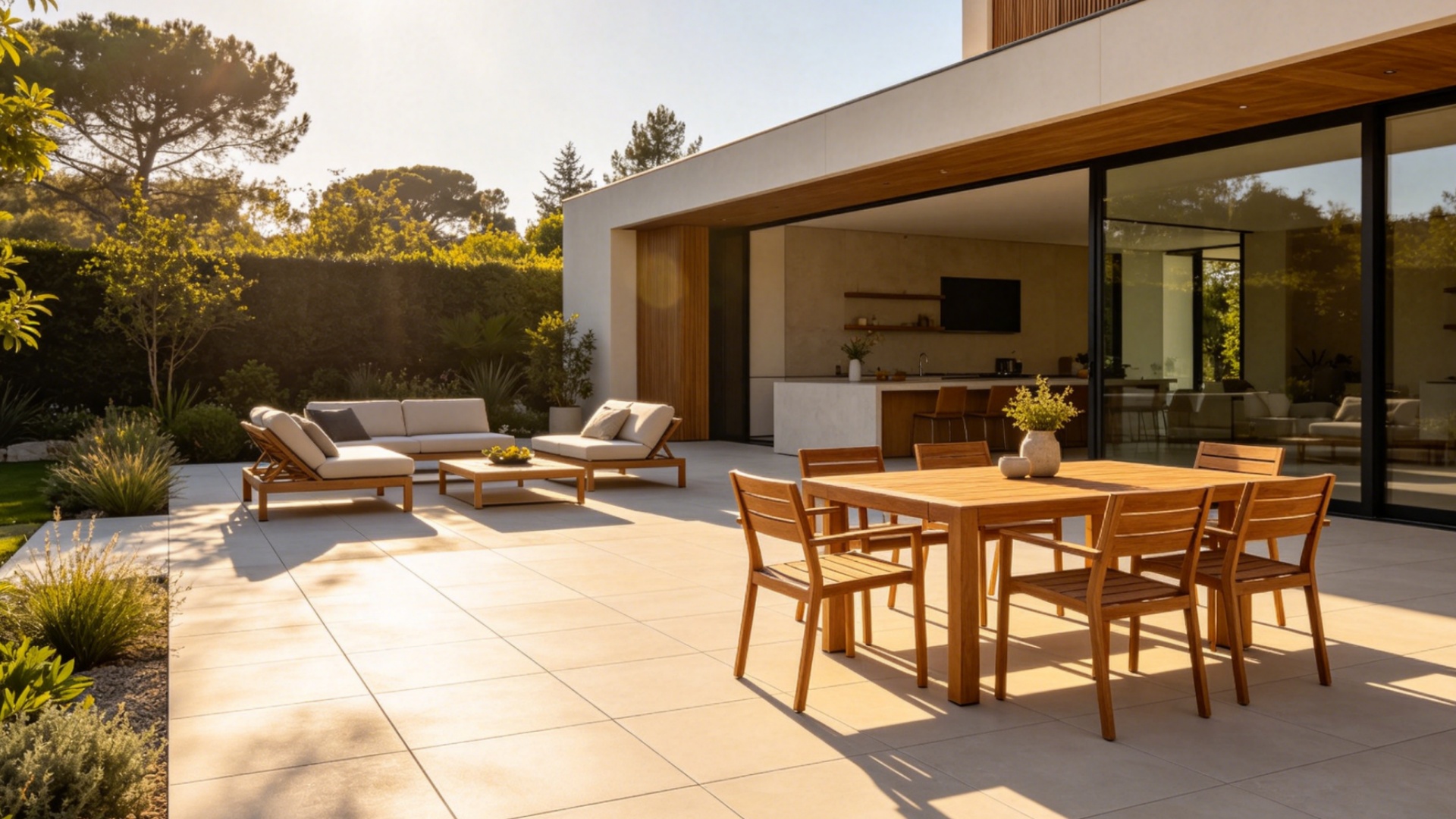
What Are Porcelain Pavers?
Porcelain pavers are an advanced hardscaping solution designed to elevate outdoor spaces with unmatched durability and sophisticated style. As a dedicated porcelain tile manufacture and supplier, we engineer these premium pavers to bridge the gap between high-end interior design and rugged exterior performance. They offer the aesthetic appeal of natural stone or wood, combined with the structural superiority required to withstand harsh environmental conditions.
Composition and Manufacturing Process
The incredible strength of porcelain pavers lies in their meticulous manufacturing process. They are crafted from a highly refined blend of premium clays, feldspar, quartz, and silica. This specialized mixture is first pressed into molds under extreme pressure, creating a highly compact core.
Following the pressing stage, the pavers are fired in kilns at blistering temperatures exceeding 1,200°C (2,200°F). This intense heat triggers a process called vitrification, which melts the minerals together into a single, incredibly dense, and non-porous material. This high-tech production method ensures the final product is fundamentally stronger and more resilient than standard ceramic tiles or traditional concrete blocks.
Key Characteristics of Outdoor Porcelain
Outdoor porcelain pavers are engineered specifically to handle the demands of exterior environments. Their unique structural integrity provides several defining characteristics that make them a superior choice for modern landscaping:
- Ultra-High Density: The vitrified body ensures water absorption is virtually zero (less than 0.5%). This prevents moisture penetration, completely eliminating the risk of cracking during freeze-thaw cycles.
- Structural Thickness: Typically manufactured at a robust 20mm (3/4 inch) thickness, these pavers provide the necessary load-bearing capacity for heavy foot traffic, patio furniture, and outdoor kitchens.
- Superior Surface Protection: The kiln-fired finish is naturally scratch resistant and delivers exceptional stain resistance. Spills from BBQs, fallen leaves, or harsh chemicals will not penetrate the surface.
- Low Maintenance: Unlike natural stone or timber decking, outdoor porcelain requires absolutely no sealing, waxing, or specialized treatments to maintain its structural and aesthetic integrity over time.
4 Major Advantages of Porcelain Pavers
As a porcelain tile manufacture and supplier, we see firsthand why these materials are rapidly becoming the top choice for upgrading outdoor spaces. When evaluating porcelain pavers: 4 advantages and disadvantages, the benefits heavily outweigh the drawbacks for most homeowners. Here are the four primary advantages.
1. Exceptional Durability and Weather Resistance
Porcelain is fired at incredibly high temperatures, creating a dense, rock-hard material.
Freeze-Thaw Proof:They absorb almost zero water, meaning they will not crack during freezing winter cycles.
Heavy Load Capacity:Despite being thinner than traditional concrete, they easily support heavy patio furniture and high foot traffic.
UV Resistant:They easily withstand harsh, direct sunlight without structural degradation.
2. Low Maintenance and Stain Resistance
Nobody wants to spend their weekends scrubbing the patio. These pavers offer true low maintenance living.
No Sealing Required:Unlike natural stone or concrete, porcelain never needs to be sealed.
High Stain Resistance:Because the surface is completely non-porous, spills from BBQ grease, red wine, or wet leaves wipe right off.
Scratch Resistant:Dragging heavy metal chairs or planters across the surface will not leave ugly marks.
3. Aesthetic Versatility and Color Stability
You get the exact look you want without the traditional drawbacks of natural materials.
Endless Design Options:Modern manufacturing allows these pavers to perfectly mimic natural travertine, slate, or even hardwood planks.
Zero Fading:The color is baked directly into the tile. The vibrant shade you install on day one is the exact same color you will see decades later, regardless of sun exposure.
4. Built-In Safety and Slip Resistance
Safety in outdoor spaces is a major priority, especially around water features.
Textured Grip:Outdoor porcelain pavers are manufactured with a specialized textured surface.
Wet-Weather Safety:Even after heavy rain or splashing from a pool, the surface maintains excellent traction to prevent slips and falls.
4 Disadvantages of Porcelain Pavers
As a dedicated porcelain tile manufacture and supplier, we stand by the quality of our products for outdoor spaces. However, we also believe in complete transparency. To make the best decision for your project, you need to understand the potential drawbacks. Here are the four main disadvantages of porcelain pavers.
1. Higher Initial Purchasing Cost
The upfront price tag is undeniably higher than traditional concrete or basic brick. The intense manufacturing process required to make these pavers dense and durable adds to the cost.
- The Trade-off: While you pay more initially, the low maintenance requirements and built-in stain resistance mean you save significant time and money on sealers and repairs over the years.
2. Specialized Tools Required for Cutting
Because outdoor porcelain is fired at extreme temperatures, it is incredibly hard. You cannot cut these pavers with standard masonry tools.
- What You Need: Cutting requires a high-quality wet saw equipped with a continuous rim diamond blade designed specifically for porcelain. Improper tools will cause the edges to chip or shatter.
3. Complex Base Preparation and Installation
Installation is not a quick weekend DIY project for beginners. A flawless final look demands meticulous base preparation.
- Precision Matters: The sub-base must be perfectly leveled and compacted. If the ground shifts or the base is uneven, the pavers will not sit right. This complexity often means hiring experienced professionals, which adds to the overall project cost.
4. Inherent Brittleness Under Heavy Impact
Porcelain is exceptionally hard, making it highly scratch resistant and impervious to daily wear. However, this hardness also makes it brittle under blunt force.
- Impact Risks: Dropping a heavy, sharp object—like a metal tool or a dense piece of patio furniture—directly onto the surface from a height can cause the paver to chip or crack. While they handle heavy static loads and foot traffic beautifully, they do not absorb sudden, sharp impacts well.
Comparing Porcelain Pavers to Alternatives
As a porcelain tile manufacturer and supplier, we constantly evaluate how our products perform against traditional building materials. When designing outdoor spaces, choosing the right foundation is critical for long-term satisfaction. Here is a direct look at how porcelain pavers compare to other common hardscaping materials.
Porcelain vs. Concrete Pavers
Concrete is widely used due to its lower initial cost and availability. However, concrete is highly porous. It easily absorbs water, fades under UV rays, and traps dirt.
- Concrete: Requires frequent power washing and sealing to prevent discoloration.
- Porcelain: Completely non-porous. It delivers exceptional stain resistance against oil, grease, and organic matter, making it a strictly low maintenance solution that never fades.
Porcelain vs. Natural Stone
Natural stone delivers a premium, organic aesthetic but demands significant upkeep. Materials like travertine, slate, or flagstone are vulnerable to the elements and wear down over time.
- Natural Stone: Prone to chipping, requires regular chemical sealing, and can be damaged by freezing temperatures.
- Porcelain: Manufactured to replicate the exact look of natural stone without the structural weaknesses. It is incredibly scratch resistant and frost-proof, handling heavy foot traffic and harsh weather effortlessly.
Porcelain vs. Traditional Brick
Traditional clay brick offers a classic, rustic charm but struggles in damp or heavily shaded environments.
- Traditional Brick: Absorbs moisture, leading to rapid moss, mold, and mildew growth. Bricks also tend to crack and shift over time.
- Porcelain: Impervious to moisture. It prevents mold growth entirely and maintains a clean, uniform surface that stays intact for decades.
Quick Material Comparison
| Feature | Porcelain Pavers | Concrete Pavers | Natural Stone | Traditional Brick |
|---|---|---|---|---|
| Upkeep Level | Very Low | Moderate | High | Moderate |
| Stain Resistance | Excellent | Poor | Varies | Fair |
| Scratch Resistant | Yes | No | Varies | No |
| Moisture Absorption | < 0.5% | High | Moderate | High |
Best Application Scenarios
We’ve found that porcelain pavers perform best in environments where both high-end aesthetics and extreme durability are non-negotiable. Because they are engineered to withstand heavy use while remaining low maintenance, they are the go-to choice for specific high-performance areas.
Pool Decks and Outdoor Patios
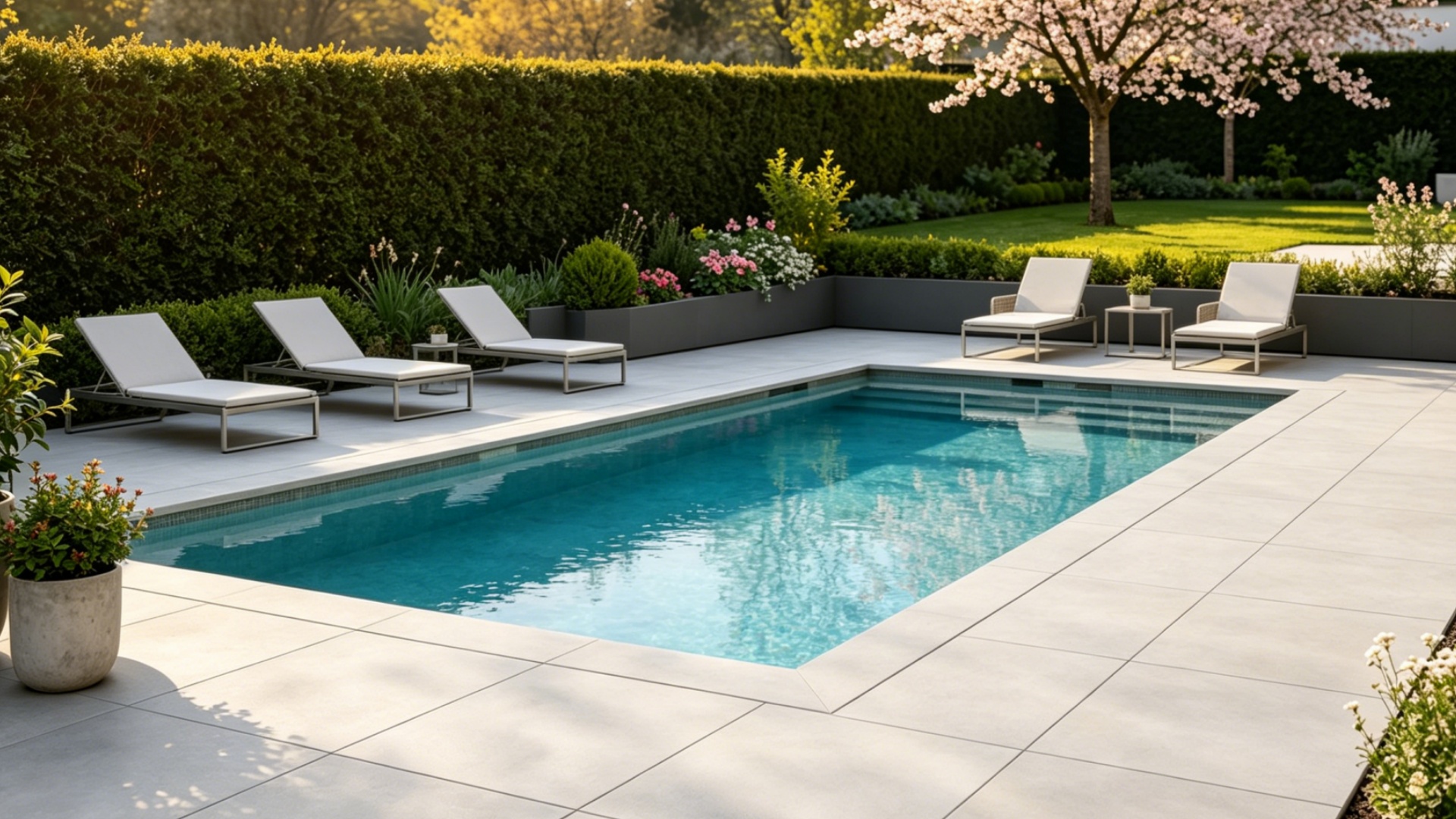
Porcelain is the ultimate material for wet environments. We recommend it for pool surrounds because it offers a high level of safety without sacrificing style.
- Slip Resistance: Most outdoor porcelain comes with an R11 anti-slip rating, making it safe for wet feet.
- Chemical Proof: Unlike natural stone, it won’t erode or discolor when exposed to chlorine or saltwater.
- Cool to the Touch: Lighter-colored pavers reflect heat better than concrete, keeping the surface walkable on hot days.
Walkways and High-Traffic Areas
For paths that see constant foot traffic, you need a surface that won’t show wear. Our porcelain pavers are exceptionally scratch resistant, ensuring that grit and gravel underfoot won’t dull the finish.
- No Fading: UV resistance means the color stays vibrant even in direct, constant sunlight.
- Stain Resistance: Spilled drinks, oil, or fallen leaves won’t leave permanent marks on the non-porous surface.
- Structural Strength: These pavers handle the weight and movement of frequent use without cracking or shifting when installed on a solid base.
Seamless Indoor-to-Outdoor Transitions
One of the biggest trends we see is the “blurred line” between the living room and the patio. Porcelain is uniquely suited for this because manufacturers often produce matching tiles in different thicknesses.
- Visual Continuity: Use a 10mm tile inside and a matching 20mm porcelain paver outside for a flawless look.
- Space Expansion: This technique makes small outdoor spaces feel like a natural extension of the home’s interior.
- Easy Cleaning: You can use the same basic cleaning routine for both your indoor floors and your outdoor terrace.
Installation Options and Long-Term Care
As a porcelain tile manufacturer and supplier, we know that getting the installation right is just as important as choosing the right material. Proper setup ensures your outdoor spaces remain beautiful and functional for decades. Fortunately, porcelain pavers offer flexible installation methods and require very little upkeep.
Sand, Concrete, and Pedestal Base Systems
You can install porcelain pavers using several different base systems depending on your specific project needs. Here is a quick breakdown of the most common methods:
| Installation Method | Best Application Scenarios | Key Benefits |
|---|---|---|
| Sand and Gravel Base | Patios, garden walkways, pool decks | Cost-effective, excellent natural drainage, easy to replace individual pavers. |
| Concrete Slab | Driveways, high-traffic commercial areas | Maximum stability, prevents shifting, supports heavy vehicle loads. |
| Pedestal System | Rooftops, balconies, uneven terrain | Self-leveling, hides cables and plumbing, allows for quick water drainage. |
DIY vs. Hiring a Professional Installer
Deciding whether to tackle the project yourself or hire a crew comes down to your experience level and the chosen base system.
- Going DIY: Laying pavers over a sand or grass base is manageable for experienced DIYers. However, keep in mind that porcelain is incredibly dense. You will need a wet saw with a specialized diamond blade to make clean cuts without chipping the material.
- Hiring a Pro: We highly recommend professional installation for concrete bases, pedestal systems, or complex layouts. Professionals have the right tools to handle the heavy lifting, ensure perfect leveling, and prevent expensive material waste.
Routine Cleaning and Maintenance Tips
One of the biggest selling points of this material is the incredibly low maintenance required. Thanks to their built-in stain resistance and scratch resistant surface, keeping your pavers looking brand new is simple.
- Basic Sweeping: Clear away leaves and dirt regularly with a standard outdoor broom.
- Simple Washing: Clean the surface using warm water and a mild neutral detergent.
- Zero Sealing Needed: Unlike natural stone or concrete, porcelain is non-porous. You never have to spend time or money applying chemical sealers.
- Pressure Washing: For stubborn outdoor grime or seasonal cleanups, you can safely use a pressure washer on a low to medium setting without worrying about damaging the surface.
Frequently Asked Questions
Do porcelain pavers get hot in the sun?
Like any material used in outdoor spaces, porcelain pavers will absorb heat when exposed to direct sunlight. However, they are surprisingly efficient at dissipating it.
- Color Matters: Lighter-colored pavers reflect more sunlight and stay significantly cooler than dark charcoal or black options.
- Thermal Density: Because they are so dense, they don’t retain heat as long as thick concrete slabs once the sun goes down.
- Comfort: In most climates, light to medium-toned porcelain remains comfortable for bare feet, making it a reliable choice for sunny patios.
Are porcelain paving slabs slippery when wet?
A common concern is that the smooth look of porcelain translates to a slick surface, but that isn’t the case for outdoor-grade products.
- Textured Finish: As a porcelain tile manufacturer, we produce outdoor pavers with a specific matte, textured grip (usually rated R11 or higher).
- Safety First: This surface provides excellent traction even when soaking wet, often outperforming natural stone or stamped concrete.
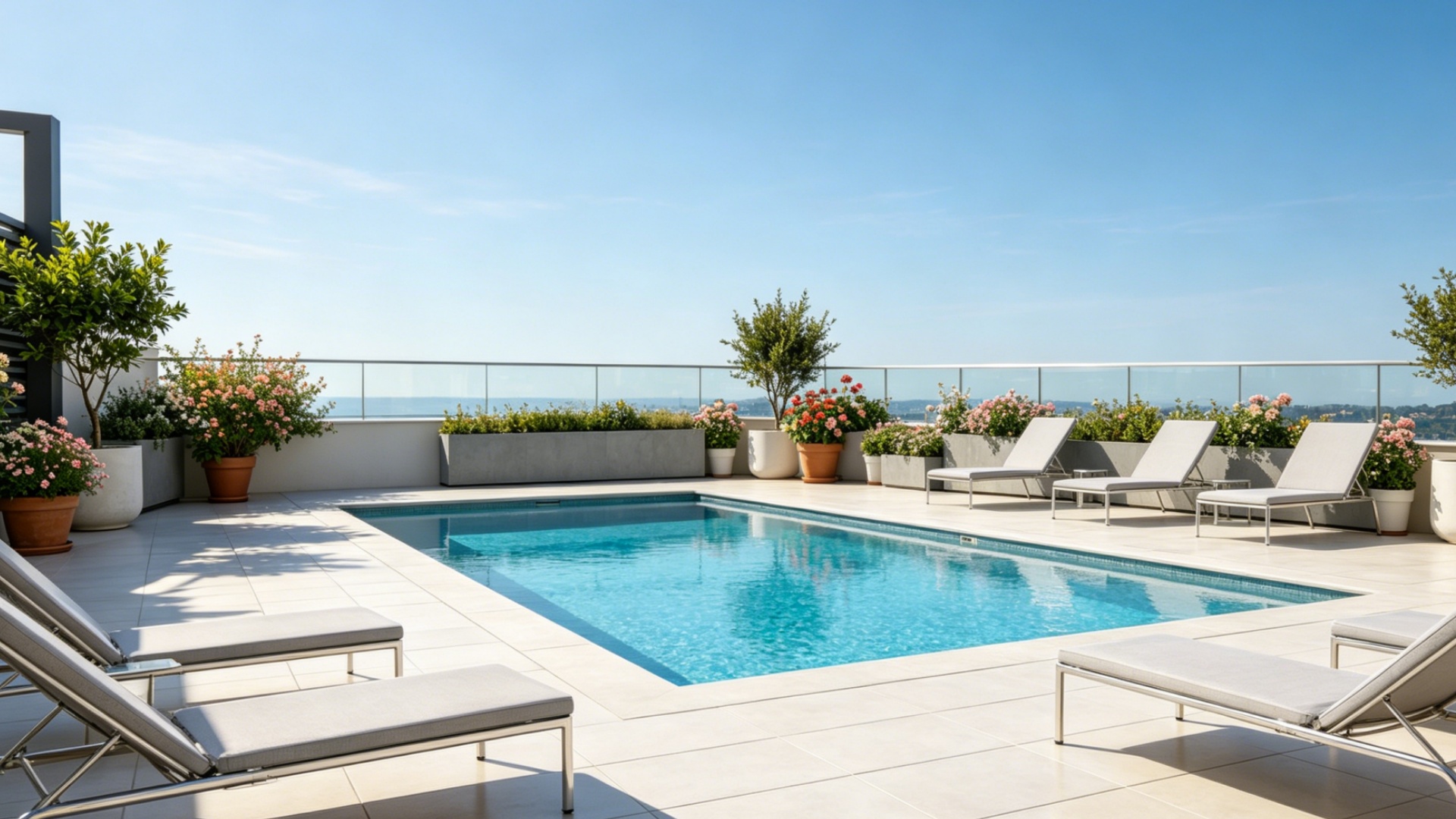
- Poolside Use: Their high slip resistance makes them one of the safest materials for pool surrounds and walkways.
Are porcelain pavers worth the overall investment?
When you look at the long-term value, the answer is a firm yes. While the upfront cost is higher than basic brick or concrete, you save significantly over time.
- Low Maintenance: You never have to seal them, and they are naturally stain resistance and scratch resistant.
- Longevity: They do not fade, crack from frost, or grow moss and algae like porous materials do.
- Property Value: The high-end aesthetic and durability provide a better return on investment by keeping your outdoor area looking brand new for decades without expensive repairs.
