If you’re caught between ceramic and porcelain tile for your next project, you’re not alone. Choosing the right tile can transform a space, but understanding the real difference between ceramic and porcelain tile is key to making a smart decision. This isn’t just about looks—it’s about durability, cost, and where each tile performs best. Ready to cut through the confusion and pick the perfect tile with confidence? Let’s break down everything you need to know.
Understanding the Basics: Ceramic vs. Porcelain
When embarking on a home improvement project, the terms “ceramic” and “porcelain” are often used interchangeably, yet they represent two distinct materials with unique properties. While both belong to the larger family of ceramic tiling, understanding their fundamental definitions is the first step in selecting the right surface material for your space.
What is Ceramic Tile?
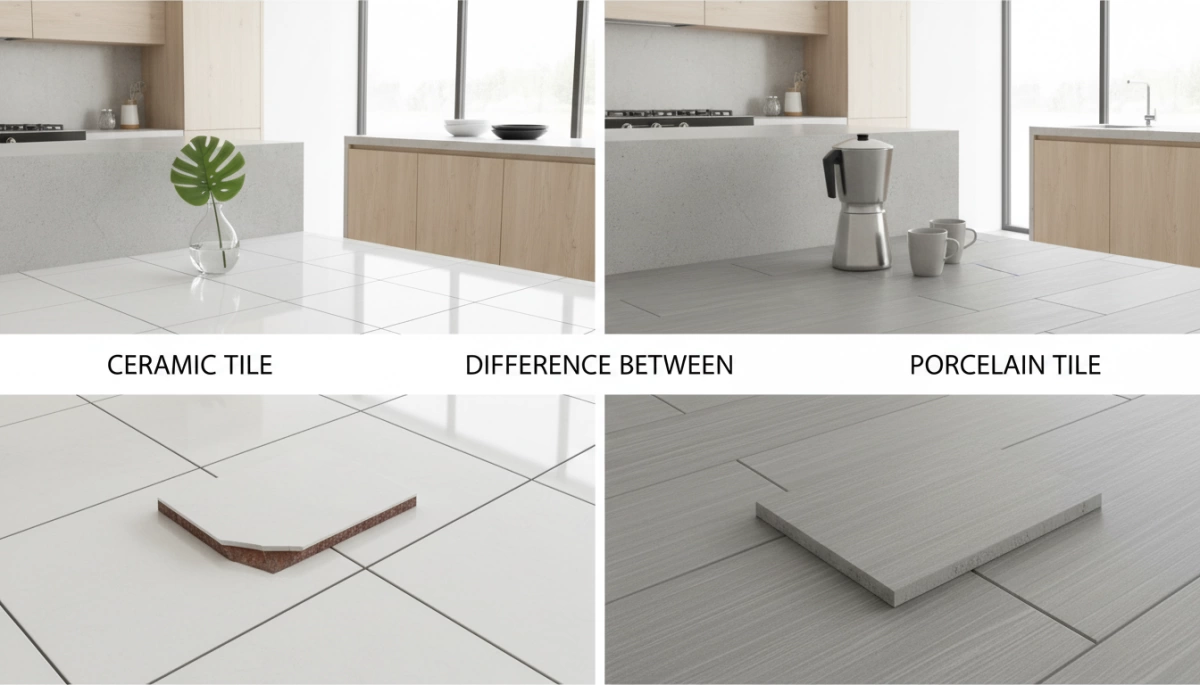
Ceramic tile is a broad category of clay-based tiling that has been a staple in construction for centuries. It is primarily composed of red or white clay, sand, and other natural products. After being shaped, these tiles are fired in a kiln. Ceramic tiles are typically softer and less dense than their porcelain counterparts, making them easier to cut and install. They are almost always finished with a durable glaze which carries the color and pattern, offering a vast array of design possibilities for interior walls and low-traffic floors.
What is Porcelain Tile?
Porcelain tile is technically a specialized subtype of ceramic, but it stands in a league of its own regarding performance. It is crafted from a more refined, specific blend of fine kaolin clay, feldspar, and quartz. The defining characteristic of porcelain is its density. Because the raw materials are finer and purer, the resulting tile is incredibly hard, impervious to moisture, and resistant to wear. Porcelain is often “through-body,” meaning the color runs through the entire thickness of the tile, minimizing the visibility of chips or scratches.
How Are They Manufactured?
The primary divergence between these two materials occurs during the manufacturing process, specifically regarding pressure and heat.
- Ceramic Manufacturing: Ceramic tiles are molded and then subjected to high temperatures in a kiln. While hot, the firing temperature is generally lower than that of porcelain. This results in a slightly more porous body that requires a glaze to become water-resistant.
- Porcelain Manufacturing: Porcelain demands a more rigorous production method. The fine clay mixture is pressed under immense pressure to remove air pockets and increase density. It is then fired at significantly higher temperatures—often exceeding 1,200 degrees Celsius (2,200 degrees Fahrenheit). This intense heat causes vitrification, where the silica in the clay turns to glass, creating a tile that is extremely dense and has a water absorption rate of 0.5% or less.
Key Differences Between Ceramic and Porcelain Tiles
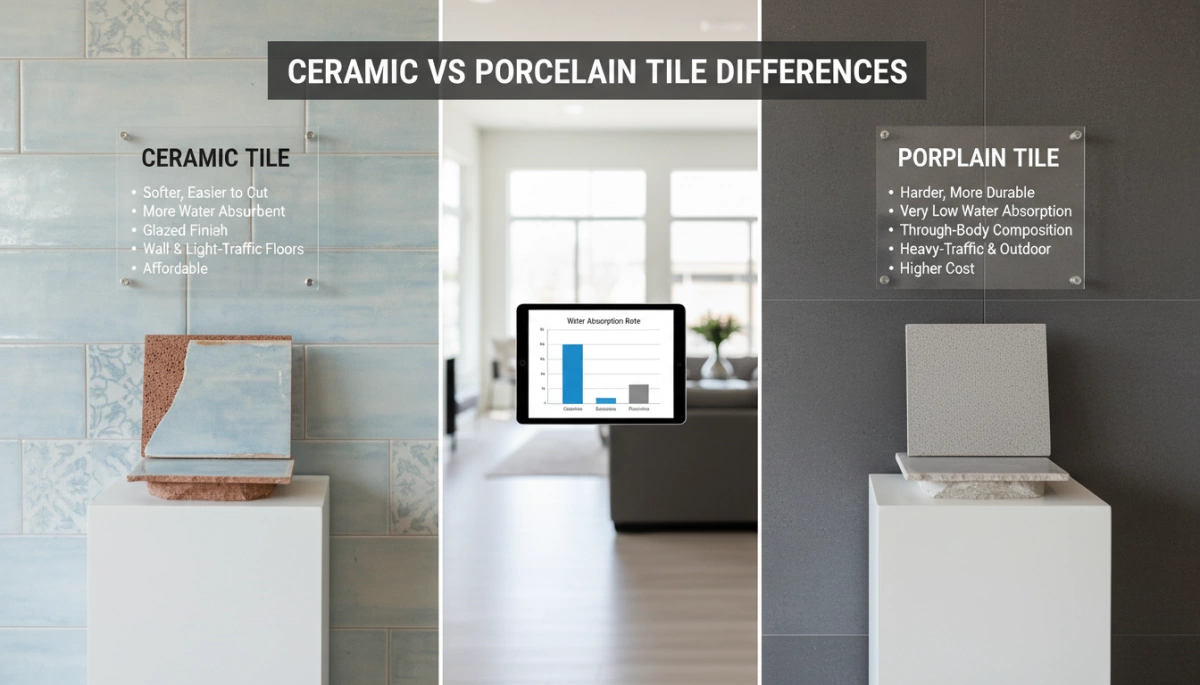
When supplying materials for home improvement, I always remind customers that the real difference between ceramic and porcelain tile comes down to density, moisture resistance, and daily wear. While they might look identical on the surface, their structural properties dictate exactly where they should be installed.
Water Absorption and Density
The most critical distinction lies in how these tiles handle moisture. Porcelain is manufactured using refined clay and subjected to a much higher firing temperature. This creates a highly dense, non-porous surface material.
- Porcelain: Boasts a water absorption rate of 0.5% or less. It is virtually waterproof.
- Ceramic: More porous with a higher absorption rate. It is best suited for dry, indoor environments.
Durability and Hardness Ratings
Because of its dense composition, porcelain easily outlasts ceramic in heavy-traffic areas. I rely on industry hardness ratings to guide material selection:
- Ceramic: Generally softer. It is perfect for walls, backsplashes, and light-traffic floors.
- Porcelain: Exceptionally hard. It stands up to heavy foot traffic, dropped objects, and commercial use.
| Feature | Ceramic Tile | Porcelain Tile |
|---|---|---|
| Density | Lighter, less dense | Heavier, highly dense |
| Durability | Susceptible to cracking under heavy impact | Highly resistant to scratches and chips |
| DIY Projects | Easier to cut and install manually | Tougher to cut; requires specialized wet saws |
Aesthetic Appeal and Design Options
Both materials offer incredible design versatility, but their manufacturing processes yield different visual benefits.
- Ceramic Tiles: Known for vibrant, baked-on glazes. They are the go-to choice for bright colors, intricate decorative patterns, and textured wall features.
- Porcelain Tiles: Often manufactured as “through-body” tiles, meaning the color goes entirely through the material. If a chip does happen, it is barely noticeable. Porcelain is also engineered to flawlessly mimic natural stone, marble, and hardwood flooring.
Pros and Cons of Each Material
When I’m helping clients navigate the difference between ceramic and porcelain tile, it usually comes down to balancing budget against performance. Both materials have distinct strengths that make them perfect for specific jobs, but they also have limitations you need to be aware of before you start mixing mortar.
Advantages and Disadvantages of Ceramic
Ceramic tile has been a staple in home improvement for decades, and for good reason. It is generally the more accessible option for the average homeowner.
The Advantages:
- Cost-Effective: Without a doubt, ceramic is easier on the wallet. If you are covering a large area like a guest bedroom or a rental property, the lower price point is a huge plus.
- DIY Friendly: Because ceramic is fired at a lower firing temperature, the material is less dense. This makes it much easier to cut with a standard snap cutter. For DIY projects, this is a major selling point because you don’t need to rent industrial-grade saws.
- Design Variety: The surface material takes glaze beautifully, offering an endless array of colors and patterns.
The Disadvantages:
- Higher Water Absorption: Ceramic is more porous. It absorbs more liquid, meaning it is not suitable for outdoor patios in freezing climates or areas with constant standing water.
- Less Durable: It is softer than porcelain. If you drop a heavy cast-iron skillet on a ceramic floor, it is more likely to crack or chip.
Advantages and Disadvantages of Porcelain
Porcelain is essentially the heavy-duty cousin in the tile family. It is engineered to withstand just about anything you can throw at it, making it a favorite for high-traffic commercial spaces and busy family homes.
The Advantages:
- Superior Durability: Porcelain is fired at extremely high temperatures, creating a dense, hard tile that resists scratches, chips, and wear. It is ideal for entryways and kitchens.
- Water Resistance: With a very low water absorption rate (less than 0.5%), porcelain is virtually waterproof. You can confidently install it in showers, bathrooms, and even outdoors.
- Through-Body Color: In many unglazed porcelain tiles, the color runs all the way through the tile. If you do manage to chip it, the damage is barely visible.
The Disadvantages:
- Higher Cost: You are paying for that extra durability. Porcelain is generally more expensive per square foot than ceramic.
- Difficult Installation: That density makes porcelain incredibly hard to cut. You often need a wet saw with a diamond blade. It is also heavier, making the installation process more labor-intensive and difficult for a novice to handle alone.
Cost, Installation, and Maintenance
When evaluating the difference between ceramic and porcelain tile, you have to look beyond just the aesthetics. Budget, labor, and long-term care are massive factors in any home improvement project.
Price Comparison
Generally, ceramic is the more budget-friendly option. The higher firing temperature and highly refined clays required to manufacture porcelain naturally drive up its production costs, which is reflected in the retail price.
| Feature | Ceramic Tile | Porcelain Tile |
|---|---|---|
| Upfront Cost | Lower | Higher |
| Material Cost | $0.50 – $7.00 per sq. ft. | $3.00 – $10.00+ per sq. ft. |
| Best For | Strict budgets and large area coverage | Premium investments and high-traffic zones |
Installation Differences
I always advise customers to match their chosen tile to their installation skill level.
- Ceramic: This material is softer and significantly easier to cut. If you are taking on weekend DIY projects, ceramic is highly forgiving. You can generally get by with a standard snap tile cutter.
- Porcelain: Due to its extreme density and low water absorption rate, porcelain is notoriously tough to cut. Attempting to cut it without a specialized wet saw equipped with a diamond blade will result in shattered tiles. I strongly recommend hiring a professional installer for porcelain to avoid wasted material.
Cleaning and Maintenance Needs
Both options provide a fantastic, low-maintenance surface material for your daily life.
- Routine Cleaning: Standard sweeping and damp-mopping with a mild detergent keep both materials looking new.
- Stain Resistance: Porcelain’s dense makeup makes it virtually impervious to stains. Ceramic is also highly stain-resistant, provided its protective glaze remains intact.
- Grout Care: Regardless of which tile you choose, the tile itself is rarely the problem. Sealing your grout lines annually is the single most important maintenance step to prevent deep-set dirt and moisture damage.
Best Application Scenarios: Where to Use Which?
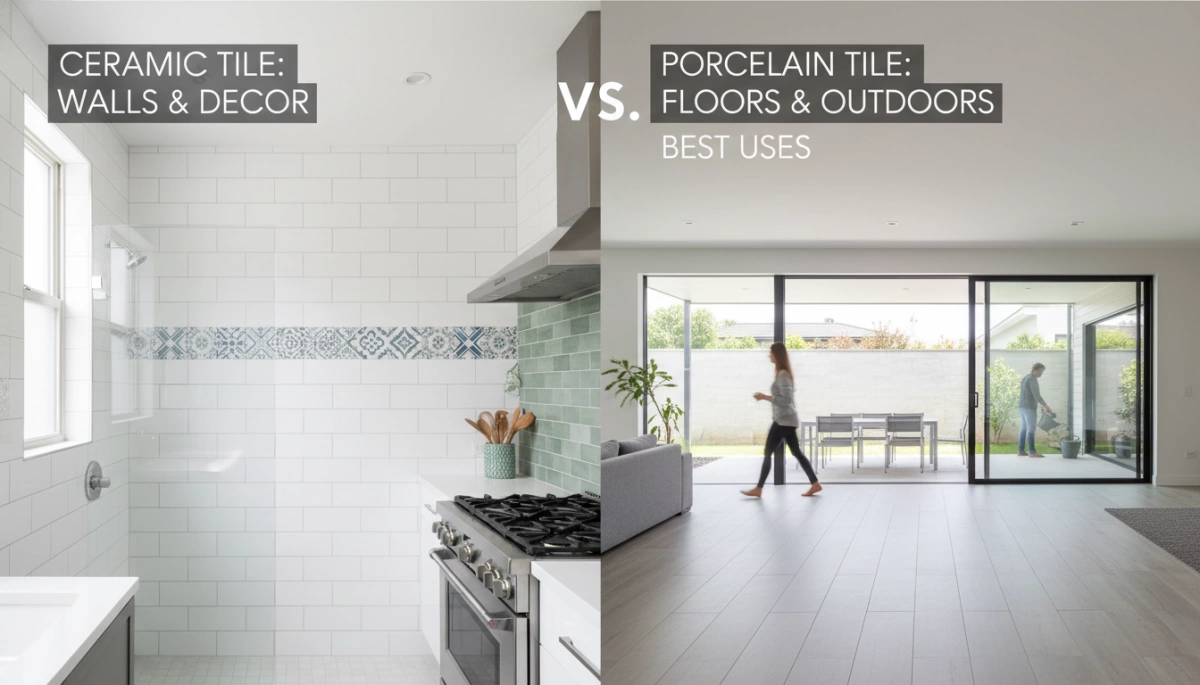
When planning your next home improvement upgrade, knowing the difference between ceramic and porcelain tile dictates exactly where you should install them. Having supplied materials for countless builds globally, I can tell you exactly where each surface material performs best.
Best Spaces for Ceramic Tiles
Ceramic is softer and easier to cut, making it an absolute favorite for DIY projects. It shines in areas that don’t face heavy foot traffic or harsh weather.
- Indoor Walls: Perfect for decorative accent walls in living spaces.
- Backsplashes: Easy to cut and install behind stoves or kitchen sinks.
- Low-Traffic Floors: Ideal for guest bedrooms or light-use powder rooms.
Best Spaces for Porcelain Tiles
Because porcelain is manufactured at a much higher firing temperature, it is remarkably dense and built for heavy-duty, long-term use.
- High-Traffic Floors: The best choice for hallways, entryways, and commercial spaces.
- Outdoor Areas: Patios and walkways, as it easily withstands freezing climates without cracking.
- Utility Zones: Perfect for laundry rooms and mudrooms where heavy equipment and dirt are common.
Kitchens, Bathrooms, and Showers
Wet zones require careful planning. Here is how I recommend dividing these demanding spaces based on water absorption and daily wear:
| Room Area | Recommended Tile | Why It Works |
|---|---|---|
| Kitchen Floors | Porcelain | Easily resists heavy foot traffic, spills, and dropped pots. |
| Kitchen Backsplash | Ceramic | Highly cost-effective and much easier to cut around electrical outlets. |
| Bathroom Floors | Porcelain | Handles daily humidity and standing water flawlessly. |
| Shower Walls | Ceramic or Porcelain | Both perform well, but ceramic is often more budget-friendly for large vertical spaces. |
| Shower Pans | Porcelain | Extremely low water absorption prevents structural leaks and mildew buildup over time. |
Making the Decision: Difference Between Ceramic and Porcelain Tile
Evaluating Your Project Requirements
When planning your next home improvement upgrade, choosing the right tile comes down to the specific realities of your space. I always advise looking at how the room is actually used before committing to a purchase.
- Assess Moisture Exposure: Check the water absorption rate required for your room. Wet zones like showers and outdoor patios demand porcelain. Dry areas like bedrooms or accent walls are perfectly suited for ceramic.
- Factor in Installation: Are you tackling weekend DIY projects? Ceramic is softer and much easier to cut and score with standard hand tools. Porcelain is incredibly hard and almost always requires a professional wet saw with a diamond blade.
- Evaluate Foot Traffic: Busy entryways and kitchens need a highly durable surface material to resist scratching. Porcelain handles heavy traffic flawlessly, while ceramic is better reserved for moderate-use areas.
Long-Term Value Considerations
Understanding the true difference between ceramic and porcelain tile means looking at the lifetime cost, not just the price tag at the register. Because porcelain is baked at a much higher firing temperature, it achieves a density that can easily last decades with zero signs of wear.
| Value Factor | Ceramic Tile | Porcelain Tile |
|---|---|---|
| Upfront Cost | Lower, highly budget-friendly | Higher initial investment |
| Durability & Lifespan | Good for moderate, everyday use | Exceptional for heavy, lifetime use |
| Property Value Impact | Standard market appeal | Premium appeal, excellent ROI |
| Repair Frequency | May chip or crack under heavy impact | Highly resistant to physical damage |
Investing in porcelain pays off significantly for “forever homes,” outdoor spaces, or commercial properties. However, ceramic remains my top recommendation for quick property flips, tighter budgets, or low-impact rooms. Align your choice strictly with your daily lifestyle demands and your long-term financial goals.