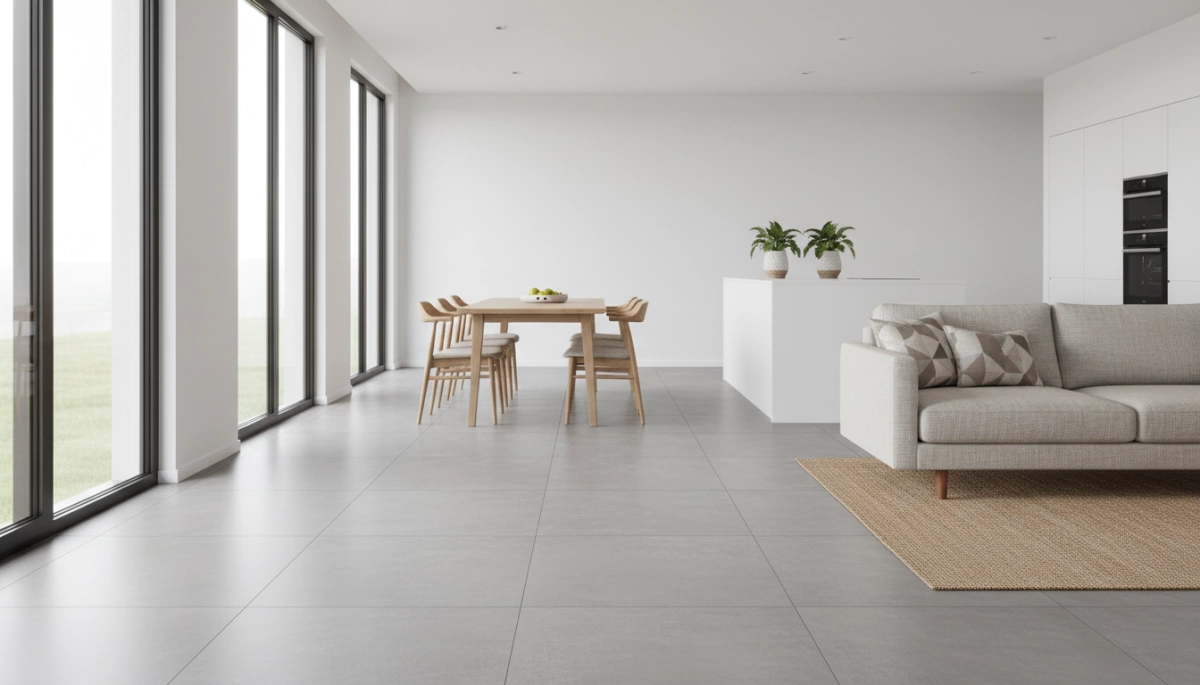
Top Advantages (Pros) of Porcelain Tile
When selecting flooring or wall coverings for residential and commercial spaces, porcelain tile consistently ranks as a premier choice. Its popularity stems from a unique combination of engineering and aesthetics, offering benefits that few other materials can match. Below are the primary advantages that make porcelain a superior investment.
Exceptional Durability and Strength
The most significant selling point of porcelain tile is its incredible toughness. Unlike standard ceramic, porcelain is fired at extremely high temperatures (often exceeding 1200°C), resulting in a dense, hard-wearing material that is virtually impervious to wear and tear.
- Impact Resistance: It is highly resistant to cracking or chipping, even under heavy foot traffic or the impact of dropped objects. This makes it ideal for busy commercial environments or active family homes.
- Scratch-Resistant Surface: The density of the material means it is naturally scratch-resistant. Pet claws, furniture legs, and high heels rarely leave a mark, ensuring the floor looks pristine for decades.
- Frost Resistance: Because it is so dense, porcelain absorbs very little water (less than 0.5%). This low absorption rate prevents cracking in freezing conditions, making it one of the few tile options suitable for outdoor patios in cold climates.
Low Maintenance and Easy Cleaning
For property owners who value convenience, porcelain tile offers a hassle-free solution. Its non-porous nature acts as a barrier against stains, moisture, and bacteria, significantly reducing the effort required for upkeep.
- Stain Resistance: Spills from wine, coffee, or oils sit on the surface rather than soaking in, allowing them to be wiped away effortlessly.
- Simple Routine: There is no need for specialized sealants or expensive treatments for most glazed porcelain tiles. A simple regimen of sweeping and mopping with a mild detergent makes it incredibly easy to clean.
- Hygiene: Because it does not harbor dust mites, mold, or allergens, porcelain is an excellent choice for maintaining a healthy indoor air quality.
Versatility in Design and Style
Modern manufacturing technology has transformed porcelain from a purely functional material into a design powerhouse. Digital printing techniques allow manufacturers to replicate the look of natural materials with stunning realism, providing luxury aesthetics without the associated maintenance issues.
- Natural Mimicry: You can find porcelain that looks exactly like hardwood, marble, slate, or granite. The grain patterns and textures are so precise that they are often indistinguishable from the real thing.
- Size and Shape Variety: From massive, large-format slabs that create a seamless look to intricate mosaics, the options are limitless.
- Finish Options: Whether your design calls for a high-gloss polished finish for a hotel lobby or a matte, textured finish for a rustic kitchen, porcelain offers the flexibility to match any architectural vision.
Main Disadvantages (Cons) of Porcelain Tile
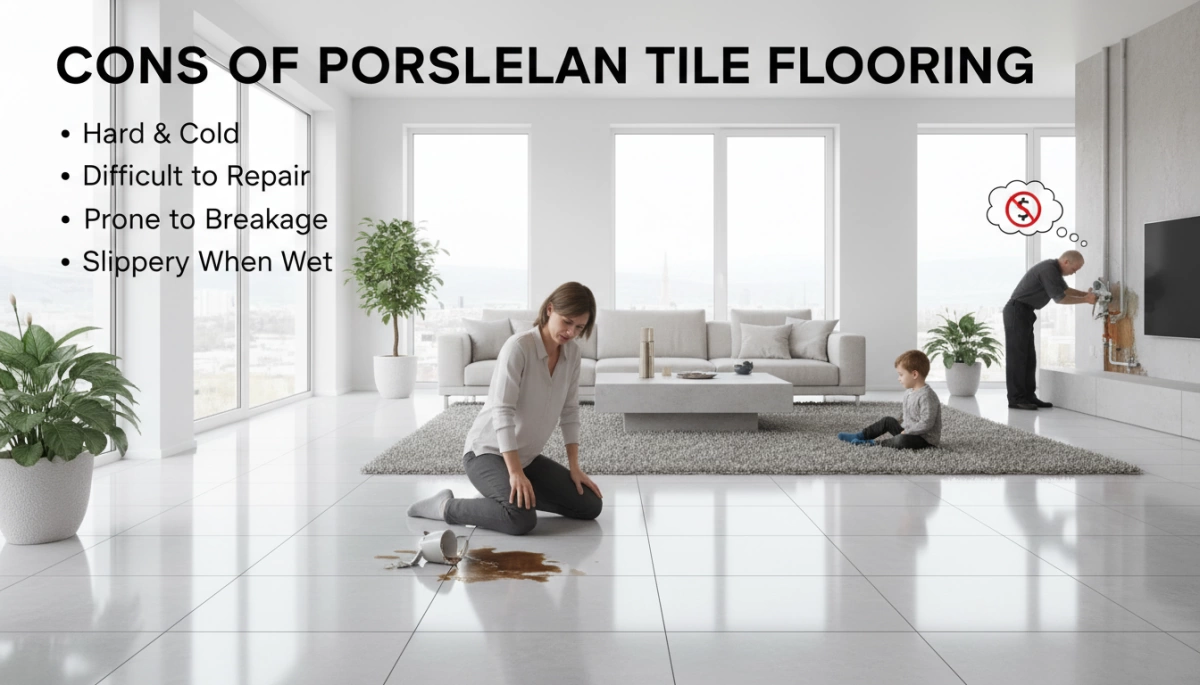
While I am a huge advocate for porcelain due to its incredible resilience, it is only fair to discuss the drawbacks. Understanding these limitations is crucial for making an informed decision for your home or commercial space.
High Initial Cost
Let’s be real about the budget. Porcelain tile generally carries a higher price tag than standard ceramic tile or vinyl flooring. The manufacturing process involves firing refined clay at extremely high temperatures, which costs more to produce.
- Material Cost: You are paying for density and longevity.
- Installation Cost: Because the material is so hard, cutting and shaping it requires specialized tools and skilled labor, often driving up the installation price.
However, when you factor in the lifespan—often lasting decades without needing replacement—the long-term value often balances out the upfront expense.
Heavy Weight and Installation Challenges
Porcelain is dense, which makes it incredibly heavy. This weight impacts how and where you can install it.
- Structural Support: If you are tiling a second-story bathroom, you need to ensure the subfloor is strong enough to support the substantial weight of the tiles plus the adhesive and grout.
- Labor Intensive: Handling these heavy boxes and individual tiles is physically demanding.
- Difficult to Cut: The same hardness that makes it scratch-resistant also makes it tough to cut. DIYers often struggle without a high-quality wet saw, making professional installation highly recommended.
Cold and Unyielding Surface
One complaint I often hear from homeowners in colder climates is that porcelain feels cold underfoot. Unlike carpet or wood, which retain some ambient heat, tile transfers heat away from your body.
- Hardness: Standing on porcelain for long periods can be uncomfortable for your joints and back. It does not have the “give” that cork or vinyl might offer.
- Solution: Many people mitigate the coldness by installing radiant floor heating systems underneath, which porcelain conducts beautifully.
Potential to be Slippery When Wet
Safety is a major consideration, especially in bathrooms or entryways. The surface texture plays a huge role here.
- Polished Finishes: High-gloss, polished porcelain looks stunning but can become dangerously slippery when wet. It is generally not the best choice for a shower floor or a pool deck.
- Matte Options: To combat this, manufacturers produce textured or matte finishes specifically designed to provide better grip. Always check the slip-resistance rating (often measured as COF or DCOF) before purchasing for wet areas.
Types of Porcelain Tiles: Polished vs. Unpolished
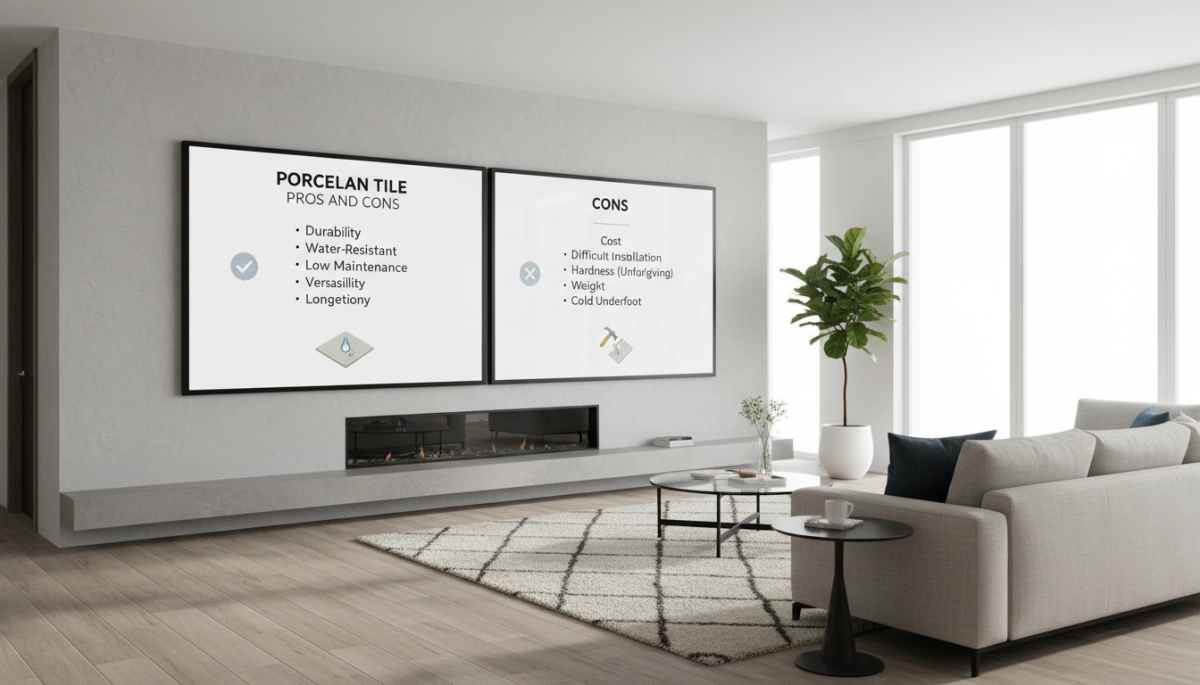
When I guide customers through selecting the right porcelain tile, the decision often comes down to the finish. The manufacturing process for polished and unpolished tiles is similar, but the final steps create two distinct products with very different applications and aesthetics.
Differences in Finish and Texture
The primary difference lies in how the surface is treated after firing.
- Polished Porcelain: These tiles undergo a grinding process using diamond disks to remove the surface layer, followed by buffing to create a high-gloss shine. The result is a mirror-like finish that reflects light beautifully, making small rooms feel larger and more luxurious. However, this process opens up microscopic pores on the surface, which usually requires sealing to prevent staining.
- Unpolished (Matte/Honed) Porcelain: This tile comes out of the kiln and is left in its natural state or lightly treated without grinding it down to a shine. The texture is rougher, more natural, and feels more like stone or earth underfoot. Because the surface pores aren’t ground open, unpolished tiles are often denser and more resistant to deep staining without needing as much sealant.
Comparing Slip and Scratch Resistance
Choosing between polished and unpolished isn’t just about looks; it’s a safety and maintenance decision. Here is a quick breakdown of how they perform in real-world scenarios:
| Feature | Polished Porcelain | Unpolished (Matte) Porcelain |
|---|---|---|
| Slip Resistance | Low. Can be very slippery when wet. Not ideal for bathrooms or pool decks. | High. The textured surface provides excellent grip, making it safer for wet areas. |
| Scratch Resistance | Moderate. While hard, the glossy finish makes scratches more visible if they occur. | High. The matte finish hides scratches and wear much better. |
| Maintenance | Requires sealing; shows water spots and dust easily. | Reduced maintenance. Hides dirt well and typically doesn’t require sealing. |
| Best For | Living rooms, hallways, low-traffic commercial walls. | Kitchens, bathrooms, outdoor patios, high-traffic commercial floors. |
If durability and safety are your top priorities, especially in high-traffic or wet zones, the unpolished variety is the superior choice. If you want that high-end, showroom aesthetic and don’t mind a bit more upkeep, polished porcelain is the way to go.
Where to Use Porcelain Tile Effectively
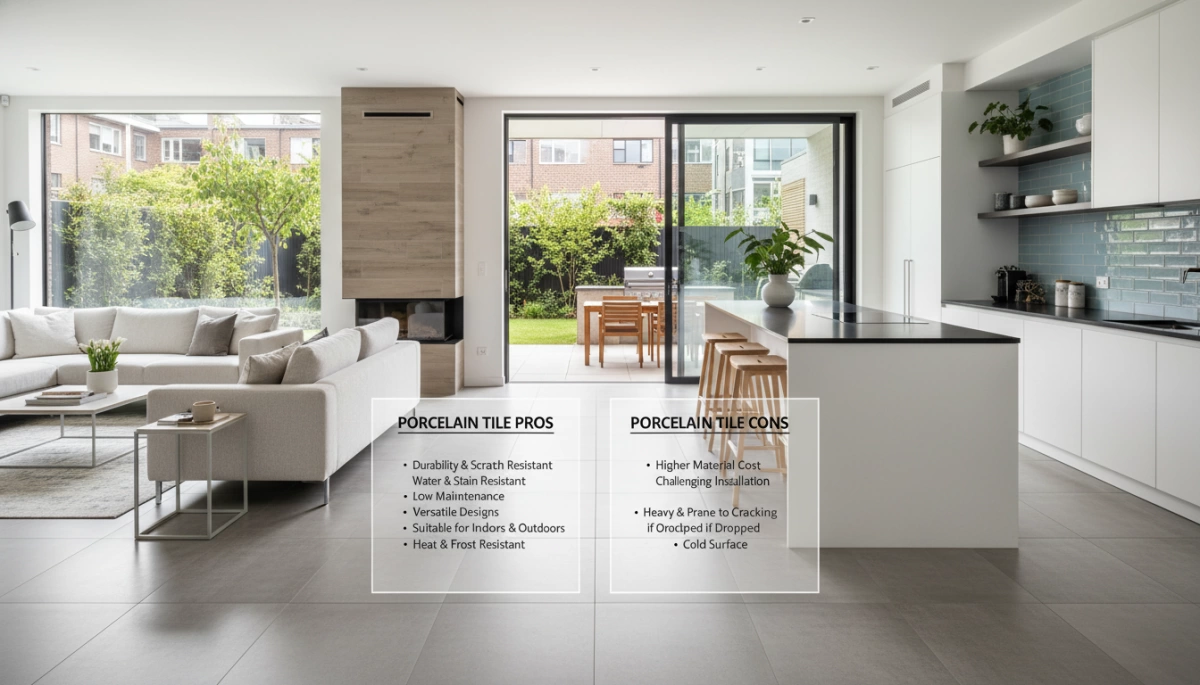
Deciding where to install tile can be just as important as choosing the material itself. Because porcelain is engineered to be tougher than standard ceramic, I find it works in spaces where other materials might fail. It bridges the gap between heavy-duty performance and high-end aesthetics.
Ideal Indoor Flooring and Wall Applications
Inside the home, porcelain is a powerhouse. I always recommend it for high-traffic zones where wear and tear are inevitable. Its durability means it can handle the chaos of daily life without showing age.
- Kitchens: This is the heart of the home and a spill zone. Porcelain resists staining from dropped food and is incredibly easy to clean.
- Bathrooms: Since porcelain is nearly waterproof, it is the top choice for bathroom floors and shower walls. It protects the subfloor from moisture damage better than almost any other material.
- Entryways and Mudrooms: These areas see grit, mud, and heavy boots. Porcelain is highly scratch-resistant, so you don’t have to worry about gravel ruining the finish.
- Living Rooms: In warmer climates, porcelain keeps the home cool. It is also compatible with radiant heating systems if you need warmth in the winter.
Outdoor and High-Moisture Area Suitability
One of the biggest advantages of porcelain is its low porosity. It absorbs almost no water, which makes it frost-resistant. This is a game-changer for outdoor projects in climates that experience freezing temperatures, as the tile won’t crack from expanding ice.
- Patios and Terraces: You can extend your indoor living space outside seamlessly. Just ensure you choose a tile with a textured finish to prevent it from becoming slippery when it rains.
- Pool Decks: Its resistance to chemicals and water makes it perfect for pool surrounds.
- Commercial Spaces: For businesses, the reduced maintenance costs of porcelain make it a smart investment for lobbies and hallways.
Unlike natural stone, which requires regular sealing to survive outside, porcelain largely takes care of itself. It holds its color against UV rays and withstands the elements with minimal effort from you.
Porcelain Tile Comparisons to Other Materials
When you’re weighing your flooring options, it’s crucial to see how porcelain stacks up against its closest competitors. Understanding these differences helps you decide if the extra investment in porcelain is worth it for your specific project.
Porcelain vs. Standard Ceramic Tiles
Many people use the terms “ceramic” and “porcelain” interchangeably, but they are distinct materials with different performance levels. The main difference lies in how they are made. Porcelain is fired at much higher temperatures and made from denser clay, resulting in a product that is far harder and more impervious to water.
While standard ceramic is often more affordable and easier to cut, it generally lacks the extreme durability of porcelain. If you chip a standard ceramic tile, you often see a different color underneath the glaze (the clay body). With through-body porcelain, the color goes all the way through, making chips less noticeable.
| Feature | Porcelain Tile | Standard Ceramic Tile |
|---|---|---|
| Water Absorption | Very Low (<0.5%) – Frost proof | Higher – Not frost proof |
| Durability | Extremely hard, scratch-resistant | Softer, prone to cracking |
| Use Case | Indoor, Outdoor, High-traffic | Indoor, Low-traffic walls/floors |
| Cost | Higher initial investment | Budget-friendly |
Porcelain vs. Natural Stone Flooring
Natural stone—like marble, granite, or slate—offers a unique, luxurious aesthetic that is hard to replicate perfectly. However, that beauty comes with significant maintenance requirements. Natural stone is porous and requires regular sealing to prevent staining and water damage.
Porcelain tile, on the other hand, is engineered to mimic the look of stone without the headache. It offers reduced maintenance because it doesn’t need sealing and is naturally resistant to stains and chemicals. While stone can be brittle and prone to cracking along natural fissures, porcelain provides consistent strength across every piece.
- Maintenance: Porcelain is easy to clean with standard cleaners; stone requires pH-neutral specialized cleaners.
- Consistency: Porcelain offers a uniform look; stone varies wildly in color and veining.
- Price: High-end porcelain is usually cheaper than high-quality natural stone.
- Resilience: Porcelain is generally more scratch-resistant and durable against daily wear and tear compared to softer stones like marble or travertine.
