What is Flexible Stone Material?
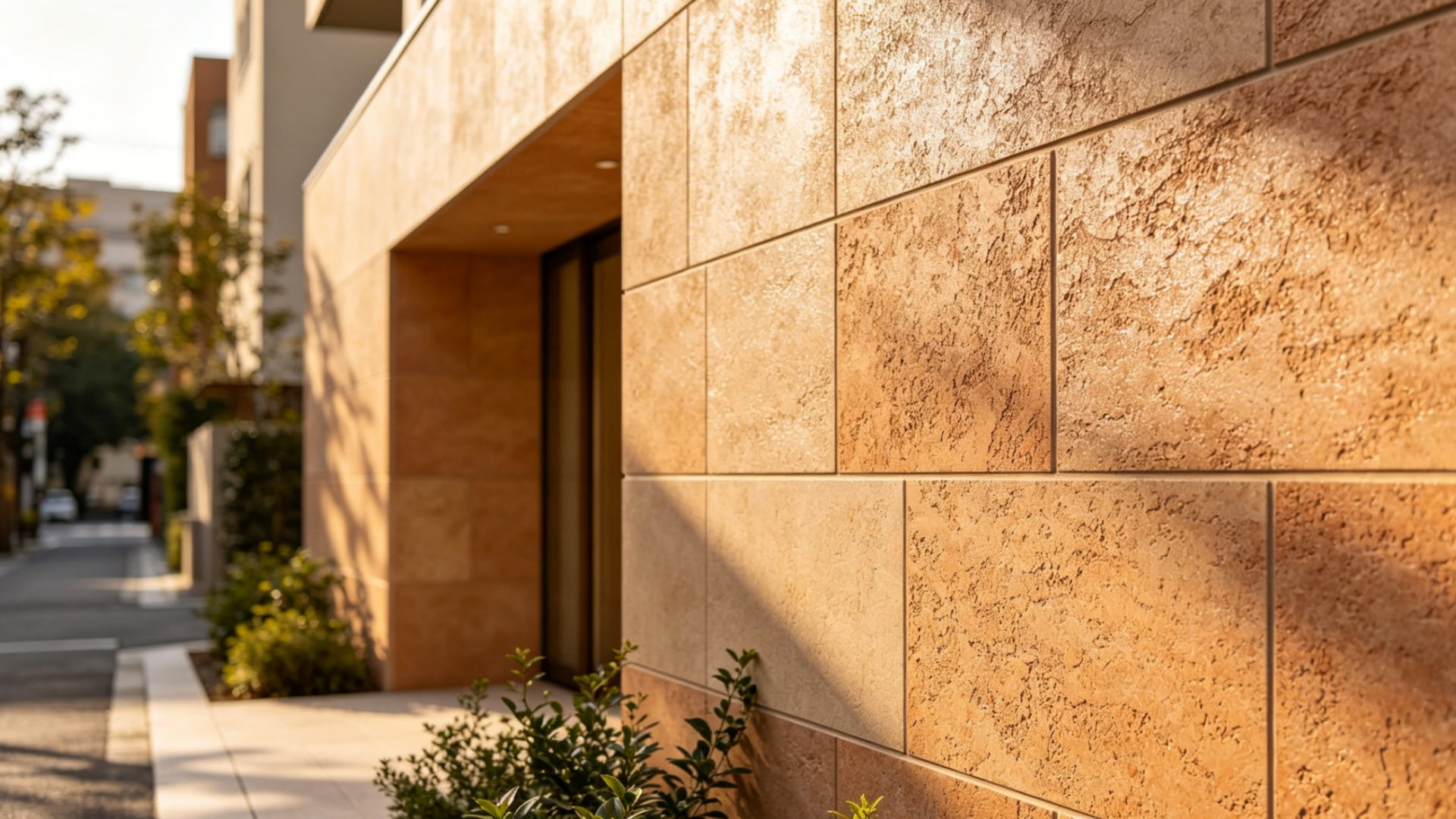
Flexible stone material is a revolutionary architectural surface that bridges the gap between the heavy, rigid nature of traditional masonry and the modern need for versatile, lightweight building materials. As a premier flexible stone manufacture and supplier, we engineer this product to deliver the exact visual and tactile properties of quarried stone, but in a format that bends, contours, and dramatically reduces structural load. It is the ultimate solution for modern construction and renovation.
The Core Composition of Flexible Stone
At its foundation, flexible stone—often referred to as MCM soft stone (Modified Clay Material)—is crafted from a sophisticated blend of natural elements and high-tech polymers.
- Natural Stone Powder: Crushed marble, quartz, and slate provide the authentic texture and color base.
- Modified Clay (MCM): Acts as the primary binding agent, giving the material its eco-friendly core.
- Water-Soluble Polymers: These additives grant the stone its signature flexibility without compromising its structural integrity.
- Fiberglass Mesh (in some variants): Provides a reinforced backing for extreme durability and tear resistance.
How Flexible Stone is Manufactured
We utilize a low-heat, low-emission manufacturing process to create flexible stone. The raw stone powder and modified soil are mixed into a proprietary compound. This mixture is then molded under precise temperature controls and pressed into thin veneers, typically ranging from 2mm to 5mm in thickness. Unlike traditional ceramic or porcelain tiles that require massive energy consumption for high-temperature kilns, our MCM soft stone is cured through a highly efficient, sustainable baking process.
Key Features and Benefits of Flexible Stone
Lightweight and Highly Bendable
The defining characteristic of flexible stone material is its extraordinary pliability. It can seamlessly wrap around columns, curved walls, and complex architectural features where traditional stone would crack or require expensive custom cutting. Weighing only a fraction of natural stone, it qualifies as an elite lightweight building material, eliminating the need for heavy structural reinforcement.
Durability and Weather Resistance
Do not let its flexibility fool you; this material is built to last.
- Impact Resistant: Absorbs shocks better than brittle ceramics.
- Weatherproof: Highly resistant to freeze-thaw cycles, heavy rain, and intense UV rays without fading.
- Breathable: Allows moisture to escape, preventing mold buildup behind the cladding.
Eco-Friendly and Sustainable Nature
Sustainability is engineered into our flexible stone. The manufacturing process uses significantly less energy than traditional brick or stone processing. Furthermore, because it is so lightweight, the carbon footprint associated with shipping and transportation is drastically reduced. The primary materials are abundant and natural, making it a responsible choice for green building projects.
Authentic Natural Stone Appearance
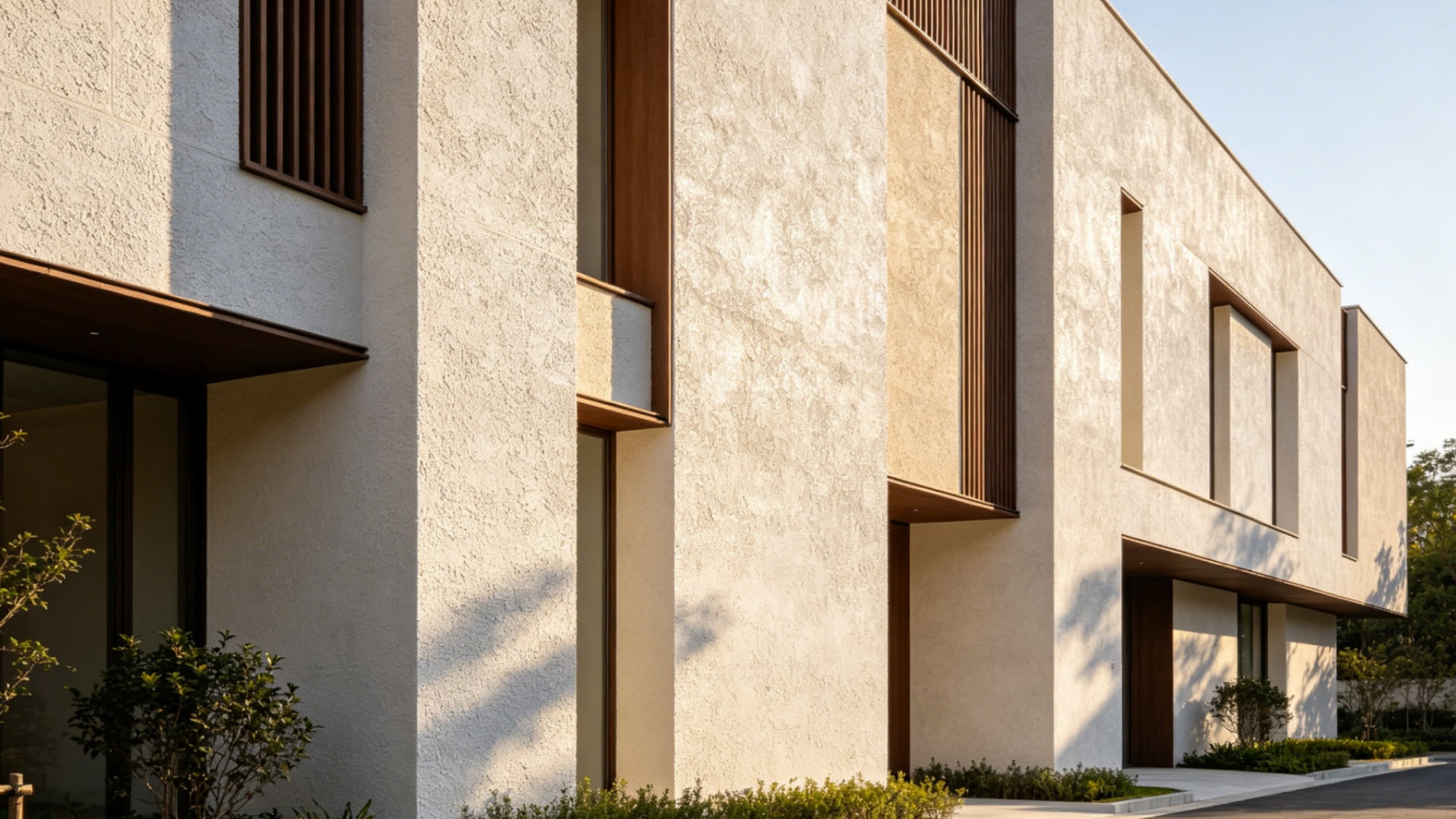
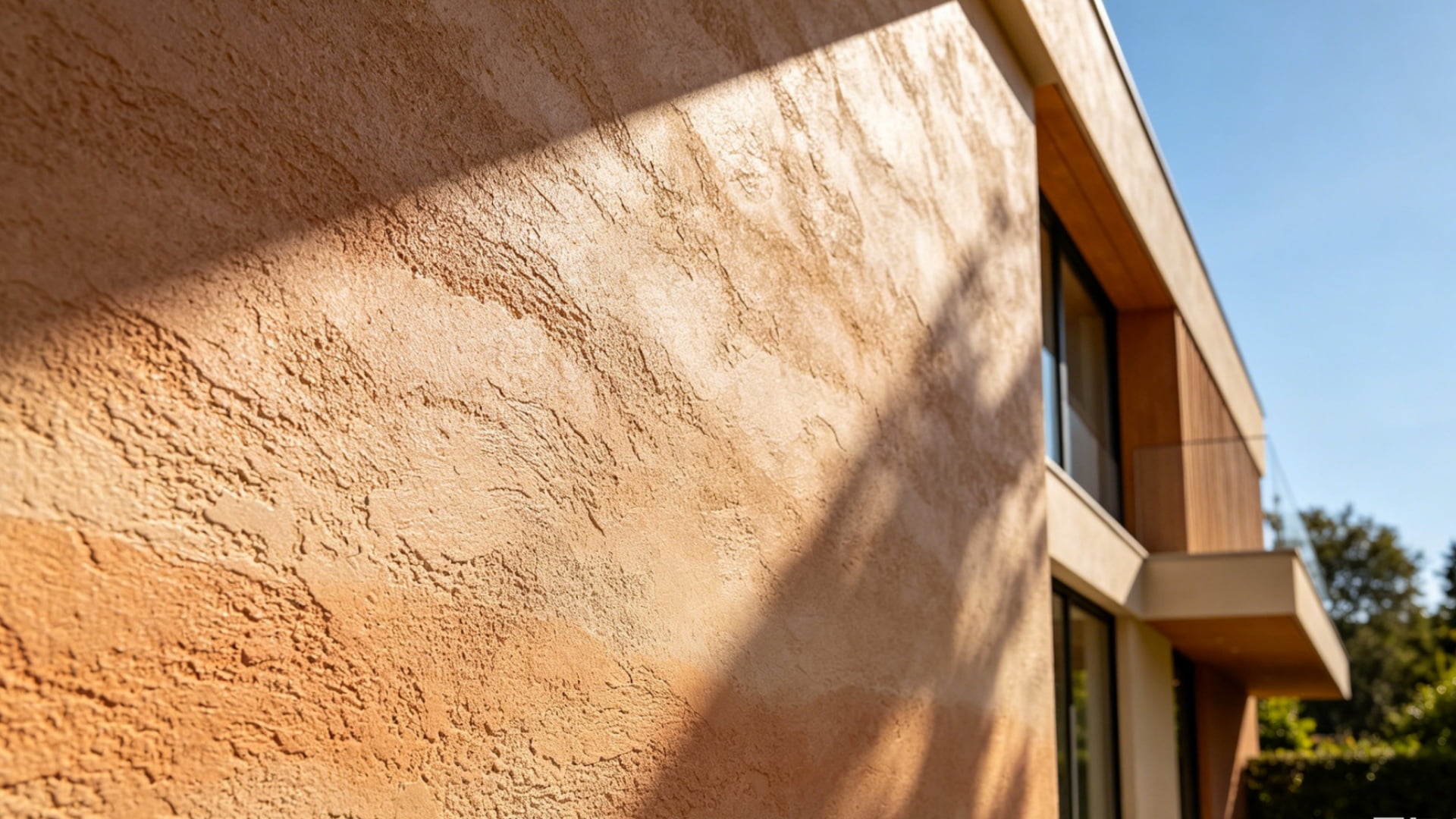
Advanced molding technology captures the precise topography of natural stone. Whether you require the rugged look of split-face slate, the smooth elegance of travertine, or the distinct veining of marble, flexible stone replicates these details flawlessly. Once installed, it is visually indistinguishable from solid rock.
Top Application Scenarios for Flexible Stone
Interior Design and Wall Cladding
Flexible stone excels as an interior wall tile. It transforms residential living rooms, lobbies, and feature walls instantly. Because it takes up minimal space (just a few millimeters thick), it does not eat into your valuable interior square footage.
Exterior Facades and Outdoor Use
Perfect for high-rise buildings and residential exteriors alike. It can be applied directly over existing substrates, including old brick, stucco, or concrete. This makes it an invaluable asset for retrofitting and exterior renovations where adding heavy stone is structurally impossible.
Commercial Spaces and Wet Areas
- Retail & Hospitality: Creates striking storefronts and luxurious hotel lobbies with minimal downtime during installation.
- Wet Areas: With the correct sealants, it performs beautifully in bathrooms, spa enclosures, and around indoor pools, resisting water absorption and slipping.
Furniture, Ceilings, and Custom Fixtures
Because of its lightweight nature and flexibility, designers use MCM soft stone to wrap reception desks, cabinetry, planters, and even ceilings. It brings the heavy, grounded look of stone to places stone has never been able to go.
Flexible Stone vs. Traditional Stone Materials
Cost-Effectiveness and Labor Savings
Using flexible stone slashes project costs across the board. The material itself is highly competitive, but the real savings lie in logistics and labor. You save on shipping, avoid renting heavy lifting equipment, and cut installation time by up to 50%.
Differences in the Installation Process
Traditional stone requires wet saws, specialized masonry crews, heavy-duty anchors, and messy mortar. Flexible stone can be cut with heavy-duty shears, a utility knife, or a standard angle grinder. It is applied using high-performance construction adhesives, making the process cleaner, quieter, and significantly faster.
Weight and Structural Impact Comparison
| Feature | Traditional Natural Stone | Flexible Stone (MCM Soft Stone) |
|---|---|---|
| Average Thickness | 15mm – 50mm+ | 2mm – 5mm |
| Weight per Sq. Meter | 30kg – 80kg+ | 3kg – 6kg |
| Substrate Reinforcement | Mandatory for heavy loads | Not required |
| Installation Tools | Wet saws, scaffolding, cranes | Utility knife, basic trowel |
| Curved Surfaces | Requires custom carving | Bends naturally to shape |
Installation and Maintenance Guide
Preparation and Step-by-Step Installation
- Surface Preparation: Ensure the substrate (drywall, concrete, wood, or old tile) is clean, flat, dry, and structurally sound.
- Cutting to Size: Measure the area and cut the flexible stone using a sharp utility knife or tin snips.
- Applying Adhesive: Use a recommended polymer-based structural adhesive or modified thin-set. Trowel the adhesive evenly onto the back of the material or directly onto the wall.
- Placement: Press the stone firmly onto the surface. Use a heavy roller to eliminate air bubbles and ensure full contact.
- Grouting (Optional): If your design requires joint lines, use a compatible flexible grout.
Long-Term Maintenance and Care Tips
Flexible stone is notoriously low maintenance.
- Cleaning: Simply wash with mild soap and water. Avoid harsh, abrasive acidic cleaners.
- Sealing: For outdoor or wet-area applications, applying a penetrating stone sealer every few years will enhance UV protection and water resistance, maintaining the vibrant natural stone appearance.
Frequently Asked Questions About Flexible Stone
Is flexible stone made from real natural stone?
Yes, the primary ingredient is natural stone powder and mineral aggregates. It is then combined with MCM (Modified Clay Material) and binding polymers. This gives you the genuine texture and mineral makeup of stone, but engineered for modern flexibility.
Can flexible stone be used in fire-prone or high-heat areas?
Absolutely. High-quality flexible stone material features excellent fire-retardant properties, generally achieving a Class A fire rating. It is entirely suitable for fireplace surrounds and high-heat commercial environments.
What design styles and finishes are available?
As a leading flexible stone manufacture and supplier, we offer a massive catalog of textures. Popular finishes include rugged slate, smooth sandstone, refined marble, industrial concrete, and even natural wood grain textures. The color palette spans from deep charcoals and earthy browns to brilliant whites and subtle greys.
