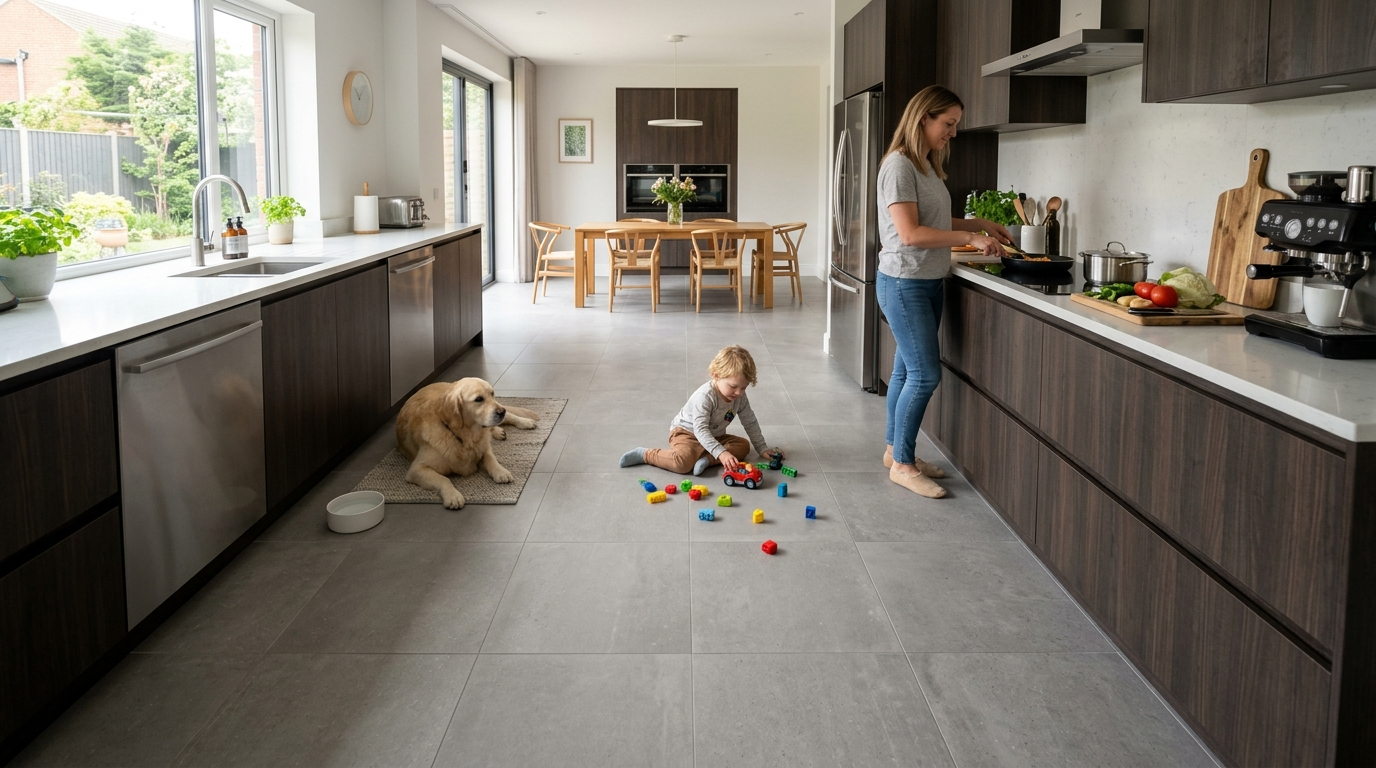
Are you struggling to decide if porcelain is the right choice for your next renovation project?
You might already know it’s a premium option, but how durable are porcelain floor tiles, exactly?
Well, you’re in for a treat because I’ve put together a complete, no-nonsense breakdown.
As a home improvement expert, I know that investing in the right flooring is crucial for your home’s longevity and your peace of mind.
In this post, you’re going to learn exactly how porcelain stands up to scratches, water, and heavy traffic, plus how its density and porosity actually compare to standard ceramic tiles.
I’ll cover the proven pros and cons, the absolute best applications for porcelain floor tiles, and the exact maintenance strategies you need to keep them looking brand new.
So if you’re looking to make the smartest flooring investment for your space, this guide is for you.
Let’s dive right in.
What Is Porcelain Floor Tile?
When property owners ask, “How durable are porcelain floor tiles?“, the answer begins directly with the material’s structural composition. Porcelain is a highly refined, premium surface material crafted from dense, naturally occurring clays. As an experienced porcelain floor tiles manufacturer and supplier, we engineer these tiles to deliver unmatched structural integrity, ensuring they perform flawlessly in both cozy residential homes and demanding commercial environments.
How Porcelain Is Manufactured
The exceptional strength of porcelain is a direct result of its specialized, heavy-duty manufacturing process. It is carefully formulated from a precise blend of finely ground sand, feldspar, and highly refined white clays.
- High-Pressure Compaction: Raw materials are mechanically pressed with immense force to eliminate internal air gaps and create a solid core.
- Extreme Heat Firing: The formed tiles are kiln-fired at blistering temperatures exceeding 1,200°C.
- The Vitrification Process: This intense, sustained heat melts the minerals together, fusing them into a solid, glass-like state that makes the final product remarkably hard and resilient.
Density and Porosity Ratings
Because of the extreme heat and mechanical pressure utilized during production, porcelain achieves superior density and moisture resistance compared to other flooring options.
- Minimal Water Absorption: To be officially certified as true porcelain, the tile must possess a highly restrictive water absorption rate of 0.5% or lower.
- High Structural Density: The tightly packed, vitrified composition makes the tile highly resistant to heavy impacts, heavy furniture, and constant foot traffic.
- Built-In Resistance: The near-zero porosity means liquids, spills, and moisture cannot penetrate the surface. This structural advantage naturally makes the tile exceptionally easy to clean and protects it against freezing or cracking in harsh weather conditions.
How Durable Are Porcelain Floor Tiles?
As a porcelain floor tiles manufacture and supplier, we hear this question constantly from global buyers. The straightforward answer is that porcelain is one of the toughest flooring options available today. It is specifically engineered to withstand heavy, daily abuse without losing its original visual appeal.
Scratch and Impact Resistance
Because it is fired at incredibly high temperatures, porcelain becomes exceptionally dense and hard.
- Pet and Kid-Friendly: Sharp dog claws and dropped toys will not leave surface scratches.
- Heavy Duty: Dropping heavy kitchen pots or sliding heavy furniture rarely results in chips or structural cracks.
- High-Traffic Ready: The hardened surface easily holds up to the relentless foot traffic found in active homes and busy commercial environments.
Water and Heat Resistance
This flooring material is virtually impervious to external elements, making it a reliable choice for any climate or room layout.
| Protection Type | Real-World Benefit |
|---|---|
| Waterproof | Boasts a water absorption rate of less than 0.5%. Liquids sit on the surface, making the floor extremely easy to clean and immune to rot. |
| Heatproof | Will not warp, scorch, or emit toxic fumes when exposed to direct sunlight, underfloor heating, or fireplaces. |
Longevity and Lifespan
When you factor porcelain into your homebuilding or renovation project, you are investing in a permanent flooring solution.
- Lifelong Durability: With proper installation, these floors routinely last 50 years or more.
- Zero-Stress Upkeep: Basic tile maintenance requires nothing more than simple sweeping and a damp mop.
- Fade Resistant: The finish and color stay vibrant year after year, never fading or degrading over time.
Pros and Cons of Porcelain Tile Flooring
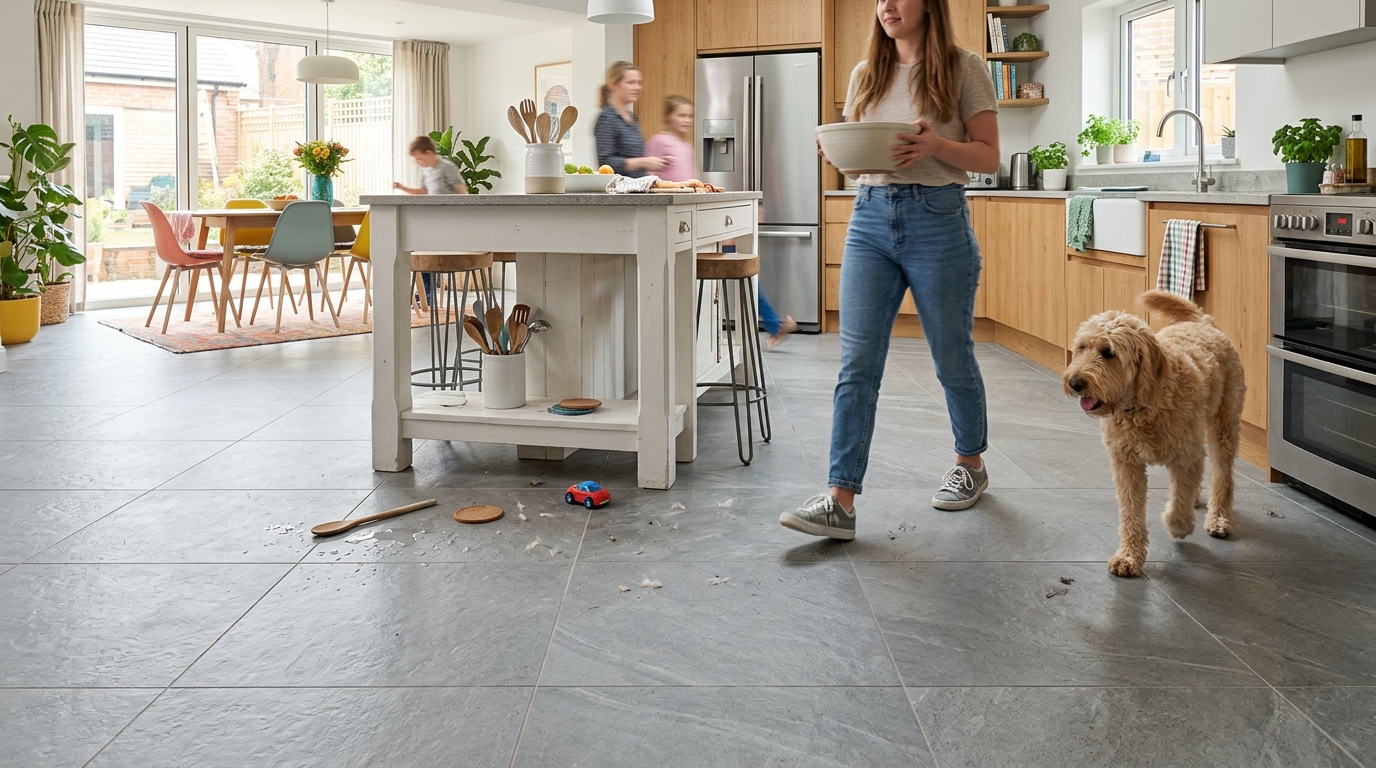
When customers ask us, “how durable are porcelain floor tiles?”, we always give a straight answer. As a porcelain floor tiles manufacture and supplier, we know this material is a top choice for both modern homebuilding and high-traffic commercial environments. However, every flooring type has its trade-offs. Here is a clear breakdown of the pros and cons to help you decide.
Key Advantages for Homes
- Unmatched Durability: The dense makeup resists heavy foot traffic, scratches, and daily wear.
- Easy to Clean: Spills and dirt wipe right up, drastically reducing your routine tile maintenance.
- Moisture Resistant: An ultra-low absorption rate makes them completely waterproof and perfect for kitchens or bathrooms.
Common Disadvantages and Drawbacks
- Heavy Weight: Because the material is highly dense, your subfloor must be structurally sound enough to support the extra load.
- Cold Surface: The tiles do not retain heat well, meaning they can feel cold underfoot without radiant heating systems.
- Higher Upfront Cost: You will pay a premium initially compared to basic ceramics, though the lifespan usually offsets the price.
Installation Challenges to Consider
- Tough to Cut: The same density that provides extreme durability makes these tiles very difficult to cut without a professional diamond-blade wet saw.
- Labor Intensive: Moving and setting heavy large-format tiles is physically demanding and time-consuming.
- Professional Expertise Required: Because of the strict subfloor requirements and difficult cutting process, DIY installation is rarely recommended. Hiring an experienced installer is the best route.
Porcelain vs. Ceramic Tiles: Understanding the Difference
As a porcelain floor tiles manufacture and supplier, we frequently help customers navigate the choice between porcelain and ceramic. While they might look similar on the surface, their core performance in homebuilding and renovation projects is entirely different.
Durability and Strength Comparison
If you are wondering exactly how durable are porcelain floor tiles, comparing them side-by-side with standard ceramic is the easiest way to see the difference. Porcelain is manufactured from finer clay and fired at much higher temperatures, resulting in a significantly tougher product.
| Feature | Porcelain Floor Tiles | Ceramic Tiles |
|---|---|---|
| Material Density | Extremely dense and hard | Less dense, more porous |
| Water Absorption | Less than 0.5% (Waterproof) | Higher than 0.5% |
| Impact Resistance | Highly resistant to heavy impacts | More prone to cracking and chipping |
| Ideal Application | Commercial environments, outdoors, high-traffic homes | Indoor walls, low-traffic residential floors |
Cost and Value Differences
Budget is always a factor, but it is important to look at both the upfront price and the lifetime value of the flooring.
- Initial Investment: Ceramic tiles are generally cheaper to purchase and slightly easier to cut, keeping initial installation costs down.
- Long-Term Value: Porcelain requires a higher upfront investment. However, because it rarely chips or cracks, you avoid the cost of premature replacement.
- Ongoing Upkeep: Both options are easy to clean, but the incredibly low tile maintenance required for porcelain makes it the more cost-effective choice over a 15-to-20-year span.
How to Choose Between Porcelain and Ceramic
To make the right choice for your space, match the material to your room’s daily demands:
- Go with Porcelain when: You are designing a high-traffic commercial floor, an outdoor patio, a wet bathroom, or a busy kitchen where dropped pots and heavy foot traffic are common.
- Go with Ceramic when: You are working with a strict budget, installing a decorative kitchen backsplash, or updating a lightly used guest bedroom.
Best Applications for Porcelain Floor Tiles
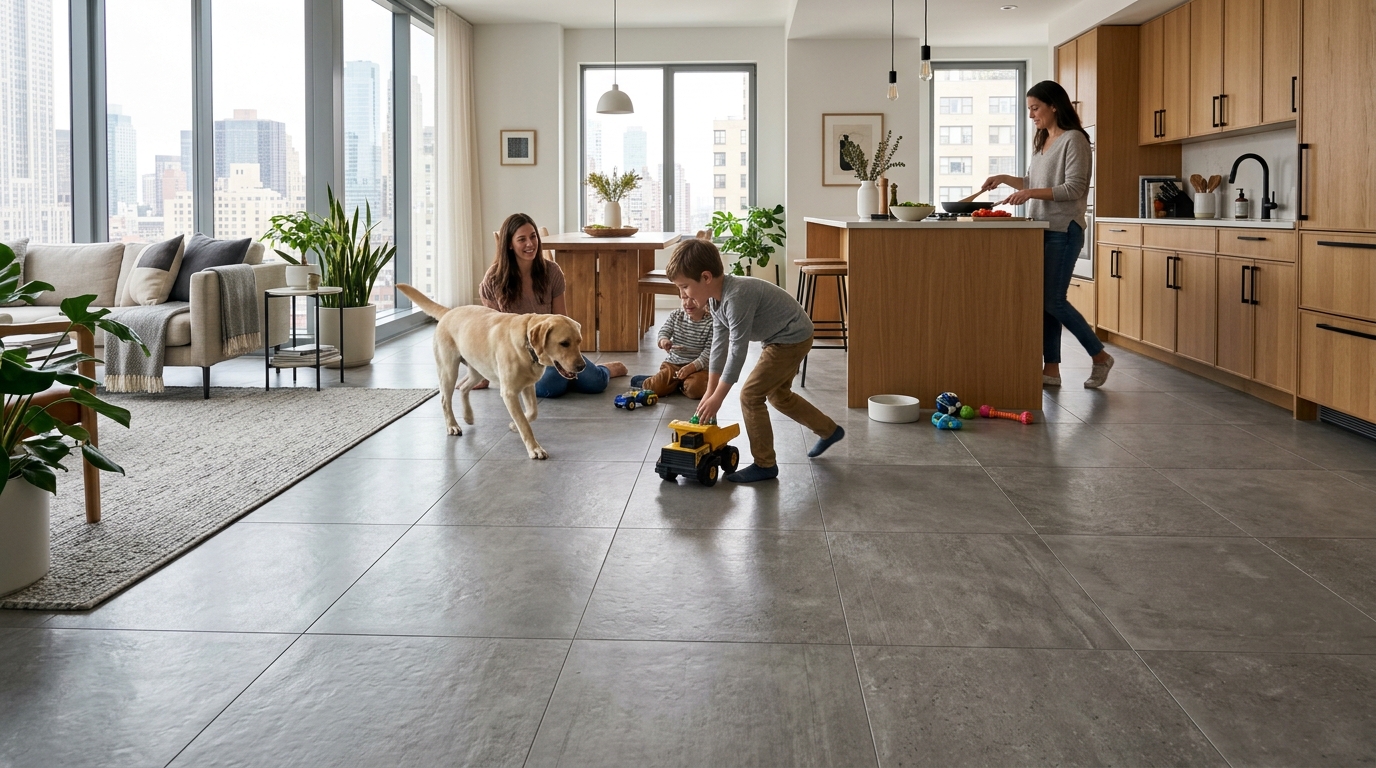
Since we are a porcelain floor tiles manufacturer and supplier, we know exactly where this flooring performs best. If you are wondering, “How durable are porcelain floor tiles in daily life?” the reality is that they are built to thrive in the most demanding spaces.
Kitchens and Bathrooms
Moisture and messes are no match for porcelain.
- Water-Resistant: Their near-zero absorption rate makes them perfect for shower floors and kitchen spill zones.
- Stain-Proof: Cooking oils and makeup spills wipe right up.
- Low Upkeep: The surface is naturally easy to clean, which keeps routine tile maintenance to an absolute minimum.
High-Traffic Entryways
Your front door and mudroom take the most abuse. When it comes to modern homebuilding, porcelain is the ultimate choice for these drop zones.
- Scratch Resistance: Gritty dirt, pet claws, and hard shoes won’t leave scuff marks.
- Impact Strength: Easily handles heavy boots, dropped backpacks, and constant foot traffic without showing wear.
Outdoor and Commercial Spaces
The strength of porcelain goes far beyond the inside of a house.
- Weatherproof: Frost-resistant properties mean these tiles won’t crack during freezing outdoor temperature shifts on patios or walkways.
- Heavy Duty: They are dense enough to survive the extreme wear and tear found in busy commercial environments like retail stores, hotel lobbies, and restaurants.
How to Maintain the Durability of Porcelain Tile
Because we are a porcelain floor tiles manufacture and supplier, we get asked a lot about daily upkeep. If you are wondering exactly how durable are porcelain floor tiles over the long haul, the answer often comes down to your basic maintenance routine. Fortunately, these floors are incredibly low-maintenance and designed to last.
Routine Cleaning and Maintenance
One of the biggest selling points of this material is that it is strictly easy to clean. Stick to these basic steps for daily care:
- Sweep or Vacuum: Remove dust and loose dirt regularly so it doesn’t act like sandpaper and grind into the surface over time.
- Mop Gently: Use a damp mop with warm water mixed with a mild, pH-neutral floor cleaner.
- Skip the Wax: Avoid oil-based products, ammonia, or wax, which can leave a sticky residue that actually attracts more dirt.
Deep Cleaning Strategies
For heavy-use areas, especially in busy commercial environments, a periodic deep clean keeps the floor looking brand new.
- Textured Tiles: Use a soft-bristle brush with a mild cleaning solution to lift dirt trapped in the tile’s surface grooves.
- Grout Care: Grout is naturally more porous than the porcelain itself. Apply a dedicated grout cleaner and scrub gently to remove discoloration.
- Rinse Thoroughly: Always mop with clean, clear water after using any cleaning chemicals to prevent a hazy, soapy buildup.
Preventing Damage and Wear
Effective tile maintenance is all about prevention. Whether you are in the middle of homebuilding or just refreshing an existing room, a few simple habits go a long way:
- Furniture Pads: Stick heavy-duty felt pads under the legs of tables, chairs, and large appliances to prevent unnecessary friction and scratching.
- Entry Mats: Place high-quality doormats at all exterior doors to catch grit, sand, and moisture from shoes before it reaches the floor.
- Prompt Spill Cleanup: Wipe up highly acidic spills—like wine, coffee, or citrus juice—immediately to protect your grout lines from permanent staining.
Is Porcelain Floor Tile Right for Your Project?
After understanding exactly how durable are porcelain floor tiles, the final step is deciding if they fit your specific needs. Since we are porcelain floor tiles manufacture and supplier experts for the global market, we see firsthand that making the right choice comes down to balancing your bottom line with your design goals.
Evaluating Your Flooring Budget
Porcelain is a long-term investment. While the initial purchase price might be slightly higher than basic ceramic or vinyl, the lifetime value is unmatched.
Keep these budget factors in mind:
- Long-Term Savings: Exceptional durability means you spend almost nothing on future tile maintenance or replacements.
- Scale of the Project: Whether you are pricing out a large homebuilding project or outfitting heavy-duty commercial environments, porcelain offers an incredible return on investment.
- Installation Costs: Always factor in professional installation. The dense, tough nature of porcelain requires specific tools to cut and lay properly.
Choosing the Best Finish and Style
You never have to trade aesthetics for toughness. Porcelain offers endless design versatility while remaining completely waterproof and easy to clean.
- Matte Finishes: Ideal for high-traffic or wet zones. They provide excellent slip resistance and hide everyday dust well.
- Polished Finishes: Deliver a sleek, luxurious aesthetic that reflects light beautifully, perfect for modern living spaces.
- Textured and Wood-Look: Capture the exact look of natural hardwood or stone without the stress of scratching, fading, or water damage.
Select a finish that matches your daily routine, and your floors will perform flawlessly for decades without losing their visual appeal.
