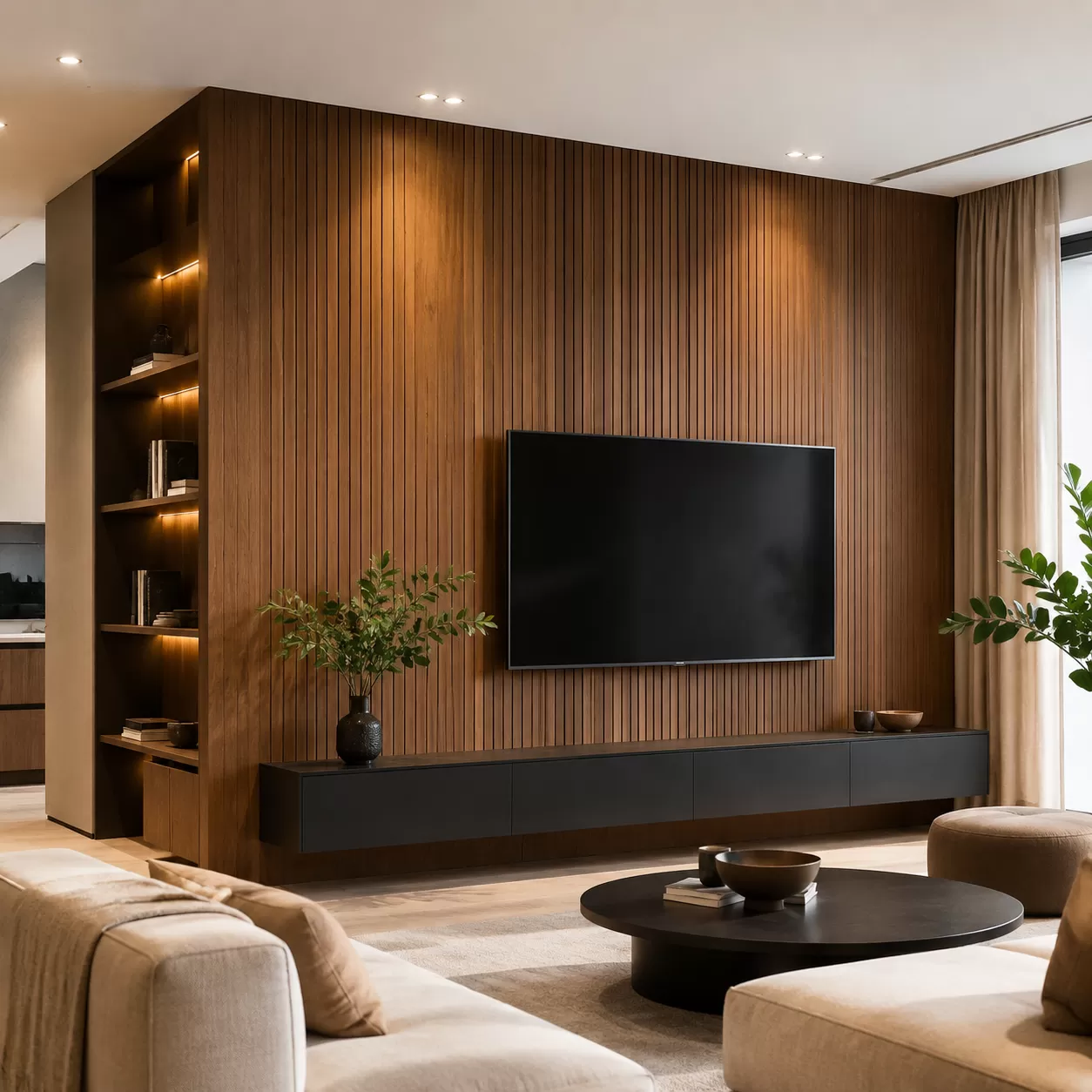
What Is Wood Paneling for Walls?
Wood paneling for walls is a versatile architectural feature used to cover interior vertical surfaces. Once a structural necessity, it now serves as a premium design element that adds character, texture, and value to residential and commercial properties globally. Modern wall panelling has moved past the outdated look of the mid-20th century, emerging as a top tier home improvement choice for creating high-end, sophisticated spaces.
The Evolution of Interior Wood Paneling
Historically, wood wall panelling was used in centuries-old European estates to insulate cold stone walls.
- Traditional Roots: Originally served as a functional barrier against harsh winter weather.
- The 1970s Era: Transformed into mass-produced, dark plywood sheets that dominated suburban homes.
- Modern Renaissance: Today’s interior design prioritizes clean lines, sustainable sourcing, and varied textures like slatted wood and architectural geometric grids.
Common Materials: Solid Wood vs. Engineered Options
Choosing the right material depends on your project budget, climate, and desired aesthetic. Both solid wood and engineered options offer unique advantages for property owners.
| Material Type | Common Species / Substrates | Key Features | Best Used For |
|---|---|---|---|
| Solid Wood | Pine, Oak, Walnut, Cedar | Authentic grain, highly durable, can be sanded and refinished. | Luxury accent walls, high-traffic living areas, and rustic spaces. |
| Engineered Options | MDF, Plywood, HDF | Budget-friendly, highly stable, resists warping from temperature shifts. | Painted finishes, shiplap, and modern geometric grid patterns. |
Incorporating high-quality wood paneling provides natural insulation and enhances acoustic comfort, making it a functional upgrade for any contemporary floor plan.
The Main Advantages of Choosing Wood Wall Paneling
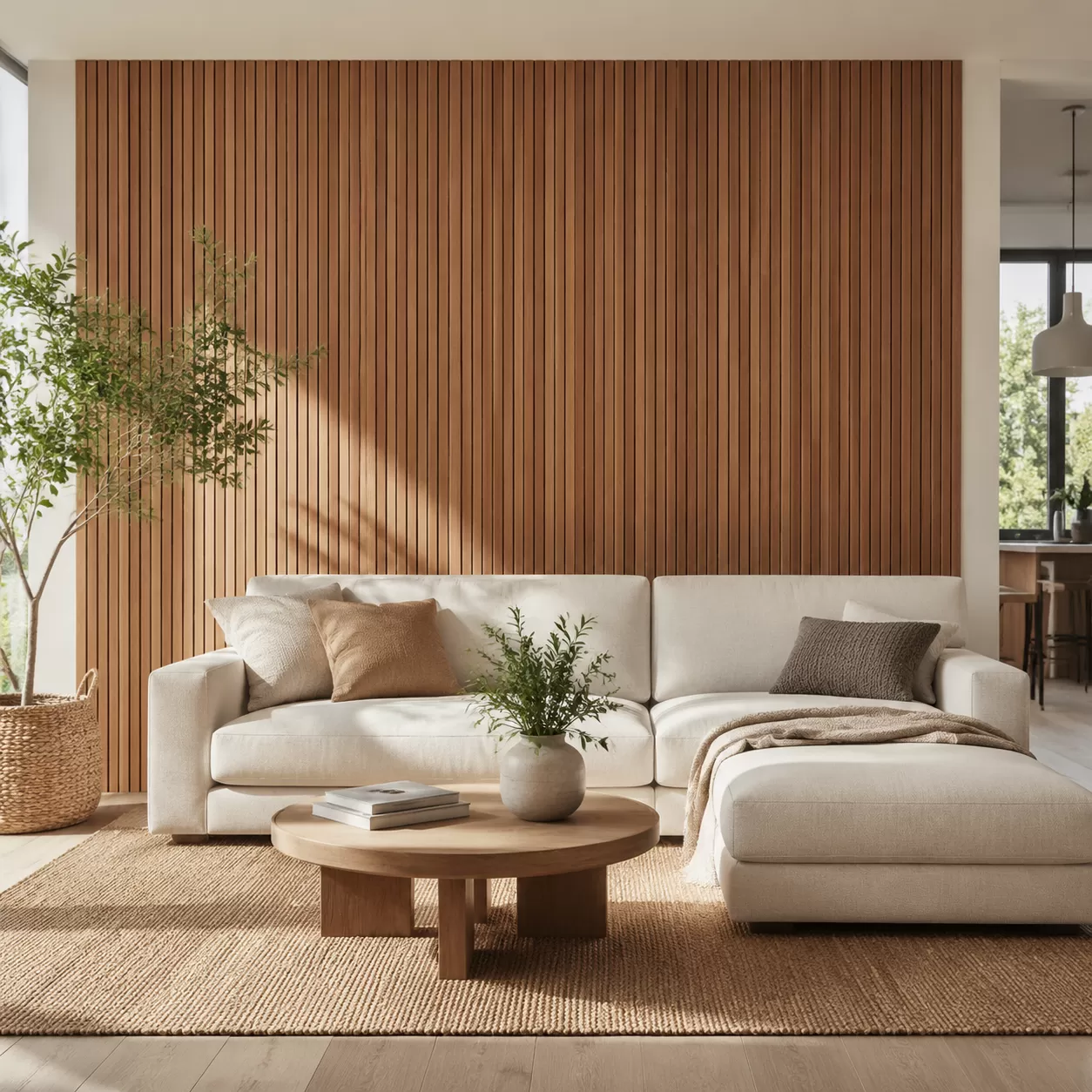
If you are wondering, “Is wood paneling a good choice for walls?” the answer lies in its incredible performance and aesthetic benefits. Adding wood wall paneling to your space does more than just cover a surface—it upgrades the entire environment.
Here is a breakdown of why this material stands out for modern home improvement and interior design:
Natural Aesthetic, Warmth, and Visual Depth
- Organic Texture: Real wood brings a unique, non-repeating grain that synthetic materials cannot replicate.
- Visual Depth: The natural shadows and highlights created by panels make small rooms feel larger and large rooms feel more intimate.
- Instant Warmth: It softens modern minimalist spaces, making them feel instantly welcoming.
Enhanced Durability and Wear Resistance
Unlike traditional drywall that easily dents, scrapes, or stains, wood wall paneling offers a rugged shield for high-traffic zones.
| Feature | Wood Paneling | Standard Drywall |
|---|---|---|
| Impact Resistance | High (resists dents from furniture and toys) | Low (easily gouges and holes) |
| Lifespan | Decades (can be sanded and refinished) | Limited (requires frequent patching) |
| Scuff Masking | Excellent (natural grain hides minor marks) | Poor (shows every smudge) |
Acoustic Insulation and Thermal Comfort
Wood is a natural insulator that drastically improves the energy efficiency and acoustic comfort of your home.
- Acoustic Insulation: Wood panels absorb sound waves, reducing echo and creating quieter, more peaceful rooms.
- Thermal Comfort: It adds a layer of thermal resistance, helping to keep rooms warmer in the winter and cooler in the summer.
Biophilic Design and Mental Well-Being Benefits
Incorporating natural materials into your wall panelling projects connects your indoor environment to nature. This principle, known as biophilic design, is proven to lower stress levels, improve concentration, and boost overall mental well-being by creating a calming, grounded atmosphere in any living or workspace.
Potential Disadvantages and Limitations to Consider
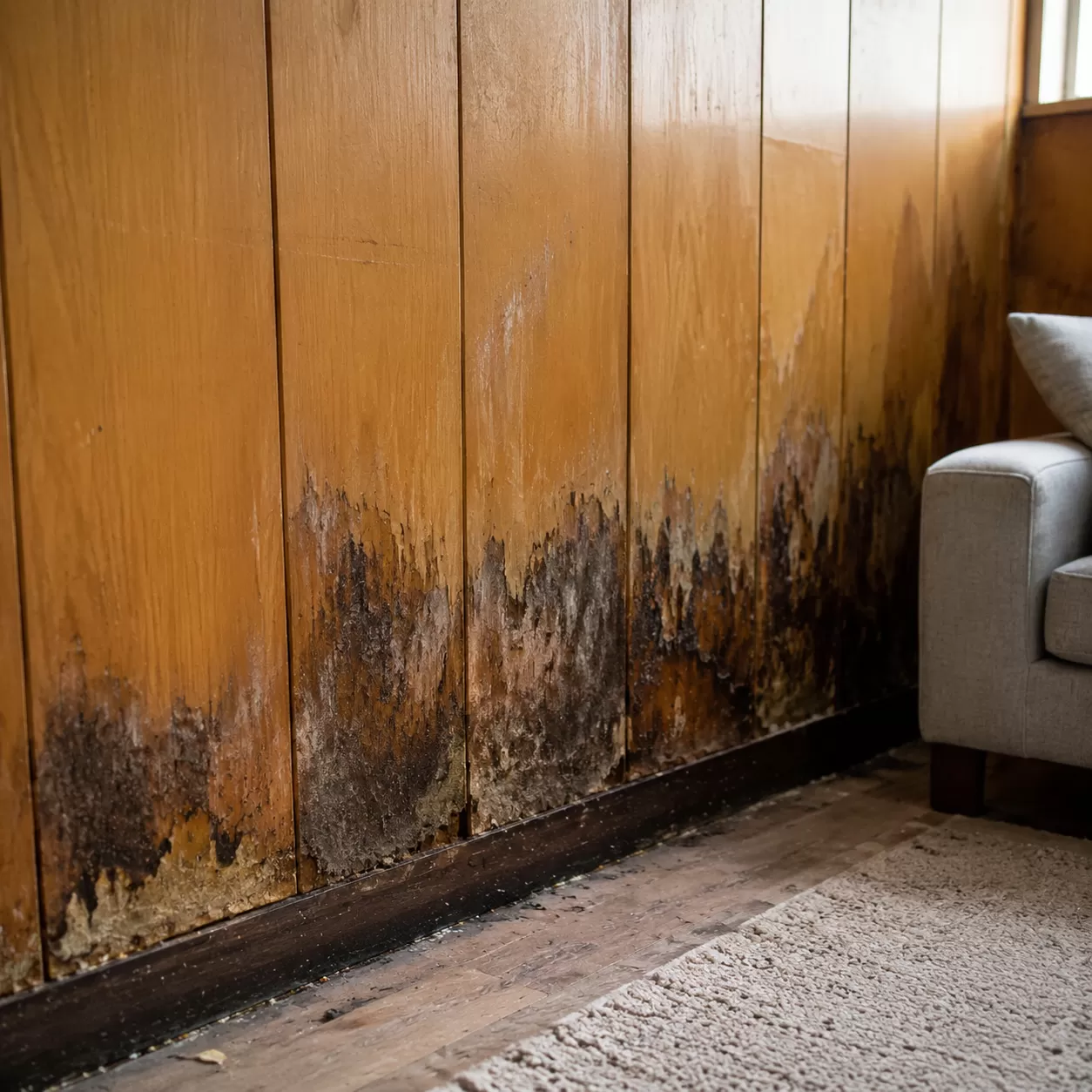
While wood paneling for walls is a fantastic upgrade, we always give it to our clients straight: it is not a one-size-fits-all solution. Before jumping into a home improvement project, you need to weigh the practical challenges alongside the beauty of interior design.
Higher Initial Material and Installation Costs
Choosing premium wall panelling is an investment, and the upfront price tag reflects that. Compared to standard drywall and paint, wood paneling requires a bigger budget for both materials and skilled labor.
- Premium Materials: Solid hardwoods and specialized engineered planks cost significantly more per square foot than paint.
- Precision Labor: Installing complex patterns like chevron or board and batten requires exact cuts and professional craftsmanship.
- Waste Factor: You typically need to order 10% to 15% more material than your actual wall square footage to account for custom cuts and trimming.
Sensitivity to Moisture, Humidity, and Climate Changes
Wood is a natural, living material that reacts to its environment. If your home experiences major seasonal shifts, your walls will react accordingly.
- Expansion and Contraction: Wood absorbs moisture from the air, causing it to swell in humid summers and shrink in dry winters. This can lead to warping or gaps if not installed with proper expansion space.
- Moisture Damage: Without specialized sealing, raw wood can rot or grow mold in high-humidity zones like unventilated bathrooms or damp basements.
Required Long-Term Maintenance and Care
Unlike a painted wall that you can easily scrub clean or patch in five minutes, wood requires consistent upkeep to maintain its high-end look.
| Maintenance Type | Frequency | Why It Matters |
|---|---|---|
| Dusting & Wiping | Weekly | Keeps dust out of grooves and protects the finish. |
| Re-sealing / Oiling | Every 2–5 Years | Prevents the wood from drying out and losing its color. |
| Sunlight Protection | Ongoing | UV rays can fade or discolor natural wood over time. |
Popular Types and Styles of Interior Wood Paneling
Choosing the right look for your wall panelling project comes down to matching your personal style with your home’s architecture. Today’s options go far beyond the dated looks of the past, offering everything from rustic charm to ultra-modern textures.
Classic Shiplap and Beadboard
These two timeless styles are staples in traditional and farmhouse interior design.
- Shiplap: Features horizontal boards with a slight overlap, creating distinct shadow lines. It is perfect for a relaxed, coastal, or rustic vibe.
- Beadboard: Made of narrow vertical planks separated by small ridges or “beads.” It is an excellent choice for a classic wainscoting setup in hallways, bathrooms, and dining rooms.
Modern V-Groove and Board and Batten
For a clean, structured appearance that bridges the gap between classic and contemporary, these styles deliver excellent visual structure.
- V-Groove: Planks fit together tightly with a chamfered edge that forms a subtle “V” shape between the boards. It offers a sleek, streamlined look for modern spaces.
- Board and Batten: Uses wide vertical boards intersected by narrower wooden strips (battens). This pattern creates strong vertical lines that make ceilings feel higher, adding instant architectural interest to an entryway or dining area.
Geometric, 3D, and Contemporary Accent Walls
If you want to make a bold statement, contemporary layouts turn wood paneling into a standalone feature piece.
- Geometric Patterns: Arranging slats in herringbone, chevron, or custom abstract shapes creates an eye-catching, artistic focal point.
- 3D Fluted Panels: Slats with varying depths add incredible texture, enhancing both the visual depth and the acoustic comfort of a room by diffusing sound waves.
- Asymmetrical Slats: Thin, vertically aligned wood slats with dark backings offer a high-end, minimalist look popular in modern urban homes.
Wood Paneling vs. Drywall and Other Wall Finishes
When deciding is wood paneling a good choice for walls, comparing it directly to standard drywall and traditional paint is the best way to evaluate your options. While drywall serves as a flat, neutral canvas, wall panelling introduces structural character and texture that completely changes the dynamic of a room.
Cost and Installation Complexity Comparison
Standard drywall has a lower upfront material cost, but it requires multiple stages of taping, mudding, sanding, and painting. Installing wood panels requires more precision upfront but eliminates the messy finishing stages.
| Wall Finish | Material Cost | Installation Labor | Finishing Required |
|---|---|---|---|
| Wood Paneling | Moderate to High | Moderate (DIY-friendly options available) | Minimal (Pre-finished or simple sealant) |
| Drywall & Paint | Low | High (Multi-step mudding & sanding) | High (Priming and multiple paint coats) |
| Wallpaper | Moderate | High (Precision pattern matching) | None |
Design Flexibility and Aesthetic Versatility
Drywall limits you to flat colors or basic textures. In contrast, wood panels offer incredible design flexibility for modern interior design. You can install them vertically to create the illusion of higher ceilings, horizontally to widen a narrow room, or in geometric patterns for a contemporary accent feature. It easily adapts to multiple styles, from rustic warmth to sleek, minimalist luxury.
Long-Term Value and ROI for Homeowners
Choosing premium wall finishes is a smart move for long-term home improvement. Drywall dents easily, shows scuffs, and requires regular repainting. Wood paneling handles daily wear and tear exceptionally well, outlasting paint by decades. Beyond durability, it adds permanent architectural value to the property, offering a strong return on investment (ROI) by making the home stand out to future buyers.
Inspirational Room Ideas for Wood Paneling
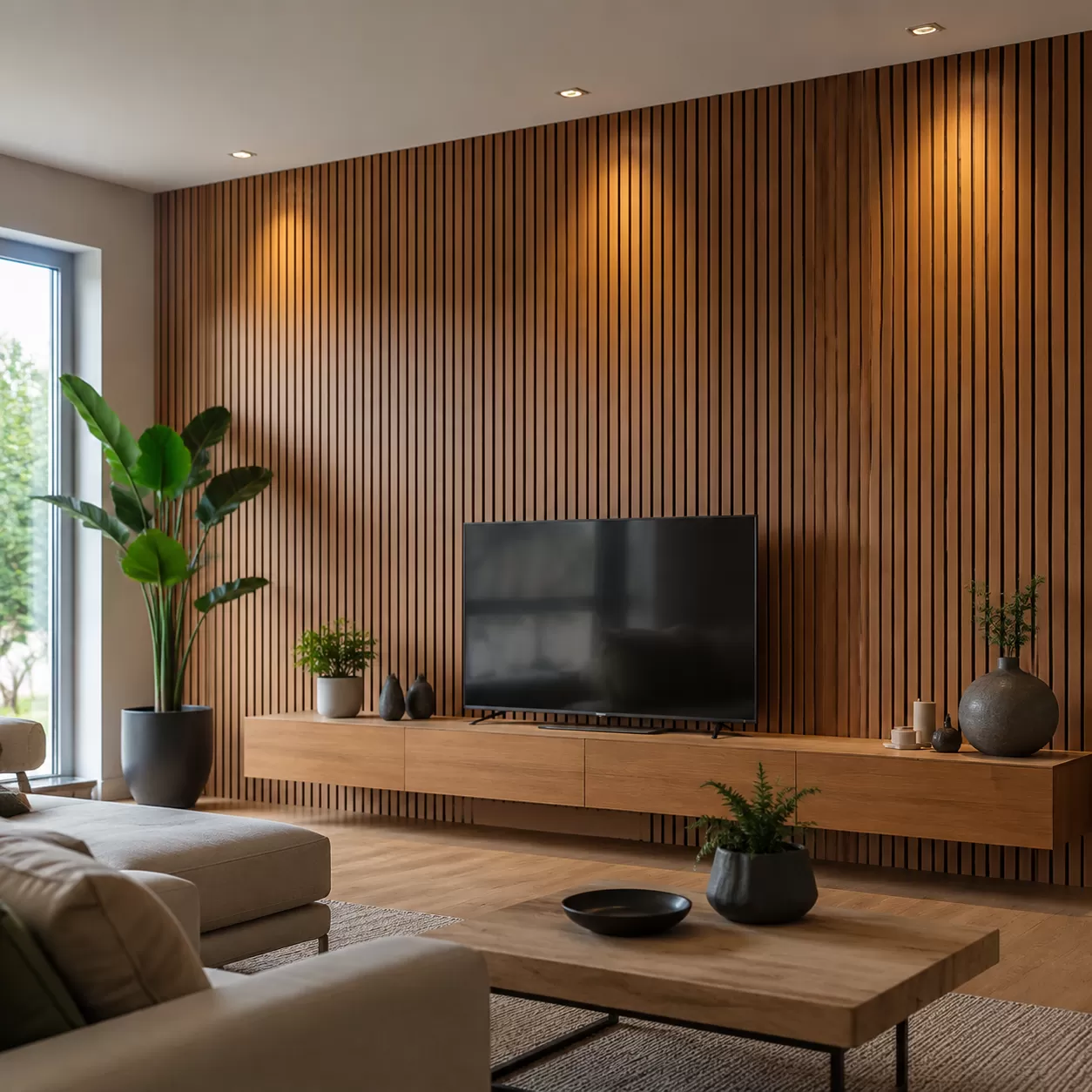
Cozy and Elegant Living Rooms
Is wood paneling a good choice for walls in the main living space? Absolutely. It completely anchors a living room, shifting it from sterile to inviting. We love using a full accent wall behind the sofa or TV to introduce texture without crowding the room.
- Warm Tones: Rich walnuts and oaks deliver a classic, high-end look.
- Modern Vibe: Painted panels in charcoal or soft beige offer a fresh take on traditional interior design.
Modern Kitchens and Dining Spaces
Kitchens and dining areas thrive on contrast. Wood wall panelling breaks up the coldness of stone countertops and stainless steel appliances, bringing a organic balance to the heart of the home.
- Island Wrapping: Cover the base of your kitchen island for an instant focal point.
- Dining Backdrops: A floor-to-ceiling slatted wall defines the dining zone in open-concept layouts.
Relaxing Bedrooms and Eye-Catching Staircases
In the bedroom, wood paneling acts as a built-in headboard that promotes a restful environment. For staircases and hallways—areas that usually feel like afterthoughts—it adds an upscale architectural element that stands up to heavy foot traffic.
- Bedrooms: Focus on floor-to-ceiling vertical lines to make the ceiling feel higher.
- Staircases: Use durable materials that handle daily scuffs while elevating the transition between floors.
Special Considerations for Bathrooms and Wet Areas
You can definitely use wood panels in bathrooms, but it requires the right strategy to handle humidity. It’s a brilliant way to achieve a spa-like aesthetic if you follow a few rules:
| Application Area | Material Choice | Protection Needed |
|---|---|---|
| Powder Rooms | Standard solid wood or MDF | High-quality moisture-resistant paint or sealant |
| Full Bathrooms | Engineered wood or PVC composites | Strict waterproofing and proper ventilation |
| Shower Backings | Direct splash zones | Not recommended unless using specialized marine-grade finishes |
How to Choose and Install the Right Wood Paneling
Selecting the Best Style for Your Home’s Architecture
Choosing the right wood paneling for walls means matching the material to your home’s existing architecture. For a traditional or coastal vibe, beadboard and shiplap work best. If you own a modern or mid-century home, vertical walnut slats or minimalist geometric panels enhance the clean lines of the space. Always consider the scale of the room; wide planks ground large spaces, while narrow strips prevent small rooms from feeling cramped.
DIY Installation vs. Hiring a Professional Contractor
Deciding whether to handle the home improvement project yourself or hire a pro depends on the panel type and your skill level.
| Installation Route | Best For | Pros | Cons |
|---|---|---|---|
| DIY Installation | Shiplap, peel-and-stick planks, accent walls | Lower costs, flexible schedule | Time-consuming, risk of waste |
| Professional Contractor | Complex geometric patterns, full-room tongue-and-groove | Perfect finish, saves time, proper tools | Higher upfront labor costs |
Key Maintenance Tips for Longevity
To protect your investment and maintain both insulation performance and acoustic comfort, follow these straightforward care rules:
- Dust Regularly: Use a microfiber cloth to prevent dirt buildup in grooves.
- Avoid Excess Moisture: Wipe away spills immediately; never use soaking wet mops or harsh chemical cleaners.
- Sun Protection: Use blinds or UV-tinted windows to prevent uneven color fading from direct sunlight.
- Inspect Seals: Check the joints annually in high-humidity areas to ensure the protective finish remains intact.
