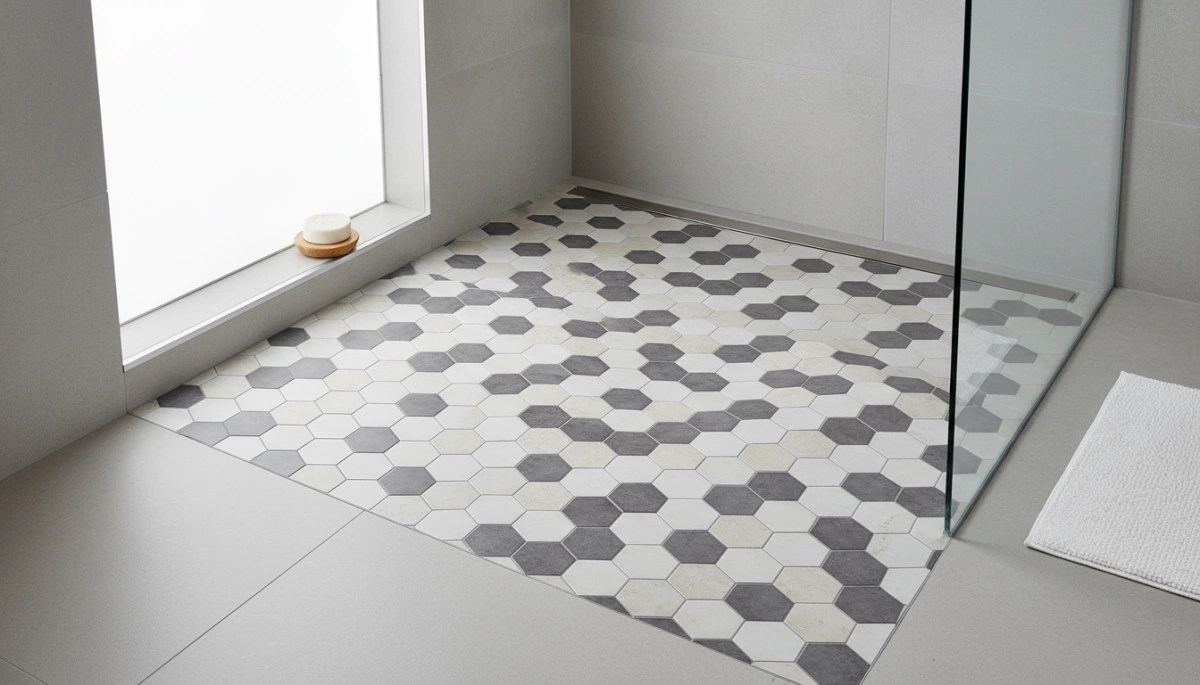
You might already know that choosing the wrong bathroom flooring can lead to slippery accidents and costly water damage…
But how do you find the perfect balance between safety, durability, and high-end style?
Well, you’re in for a treat because I’ve put together the ultimate guide to selecting the perfect porcelain shower floor tile.
As an industry expert, I know that the right flooring goes far beyond just looking good. In this post, you’re going to learn exactly why porcelain outshines ceramic and natural stone, and how to select the safest matte finishes and mosaic tiles for maximum grip.
Whether you need unmatched moisture resistance, beautiful geometric patterns, or foolproof installation and sealing best practices, everything you need is right here.
Let’s dive right in.
Why Choose Porcelain Tile for Shower Floors?
Upgrading your bathroom requires materials that perform flawlessly under constant moisture. We consistently recommend the porcelain shower floor tile as the premier foundation for modern bathrooms. Unlike standard ceramic floor tiles, porcelain is engineered for extreme environments, delivering unmatched functional benefits while seamlessly complementing your shower wall tile.
Exceptional Water and Moisture Resistance
The defining feature of porcelain is its near-zero water absorption rate. Fired at extremely high temperatures using fine, dense clay, porcelain becomes highly water resistant. This prevents moisture from seeping through to your subfloor, protecting the structural integrity of your home and preventing costly water damage.
| Feature | Porcelain Tile | Standard Ceramic Bathroom Tile |
|---|---|---|
| Water Absorption Rate | Less than 0.5% | Generally 3% to 7% |
| Density | Extremely High | Moderate |
| Best Application | Shower floors, wet rooms | Accent walls, low-moisture areas |
Built-In Mold and Mildew Protection
A wet bathroom environment is a natural breeding ground for bacteria, but porcelain proactively combats this issue. Because the material does not absorb or retain moisture, it permanently starves mold and mildew of the damp conditions they need to thrive.
- Hygienic Surface: The exceptionally non-porous structure actively blocks bacterial penetration.
- Effortless Maintenance: Grime wipes clean easily without the need for harsh, abrasive chemicals.
- Odor Prevention: Stops damp, musty bathroom smells before they have a chance to develop.
Long-Lasting Durability for High-Traffic Bathrooms
Your shower handles daily, intensive use, requiring a surface that will not wear down over time. Porcelain is incredibly robust, standing up to dropped bottles, heavy foot traffic, and constant water flow without degrading.
- Scratch and Chip Resistant: The extreme hardness ensures the tile face remains pristine, resisting scuffs from shower chairs or hard impacts.
- Thermal Shock Resistance: Easily handles rapid temperature changes from steaming hot showers to cold drafts without cracking.
- Fade-Proof: Maintains its original color and finish for decades, ensuring your architectural investment holds its value.
Selecting the Safest Porcelain Tile for Shower Floors
Safety is always my top priority when designing wet areas. Choosing the right porcelain shower floor tile goes far beyond aesthetics; it is about preventing accidents and ensuring a secure footing every time you step in.
Prioritizing Matte and Textured Finishes for Slip Resistance
When water hits the floor, you need maximum slip resistance. I highly recommend avoiding glossy finishes on the floor—save those for your shower wall tile. Instead, focus on surfaces designed to grip.
- Matte finishes: These provide a flat, non-reflective surface that naturally prevents sliding.
- Textured finishes: Options that mimic natural stone or brushed concrete add physical ridges to the tile, giving your feet something to hold onto.
- Better than alternatives: While standard ceramic floor tiles can sometimes get slick when wet, a properly textured porcelain tile maintains its grip.
Why Mosaic Tiles Provide Maximum Grip and Traction
If you want the ultimate safety upgrade for your bathroom, mosaic tiles are the clear winner. The secret to their safety isn’t just the porcelain itself; it is the installation process.
- More grout lines: Smaller tiles require significantly more grout. These dense grout joints act as a built-in tread system for your feet.
- Superior traction: The combination of a matte mosaic tile and frequent grout lines creates a highly slip-resistant surface that keeps you grounded.
The Best Tile Sizes for Proper Drainage
A safe shower is a water resistant shower that drains quickly. If water pools on the floor, the slipping hazard increases dramatically.
- The sweet spot (1×1 to 4×4 inches): Small tiles easily contour to the natural slope of your shower pan, guiding water directly to the drain.
- Avoid large formats: Large tiles cannot bend to accommodate a shower slope without being cut into awkward, sharp triangles. Keep the large formats for the main bathroom floor and stick to smaller sizes inside the shower enclosure.
Popular Porcelain Shower Floor Tile Designs
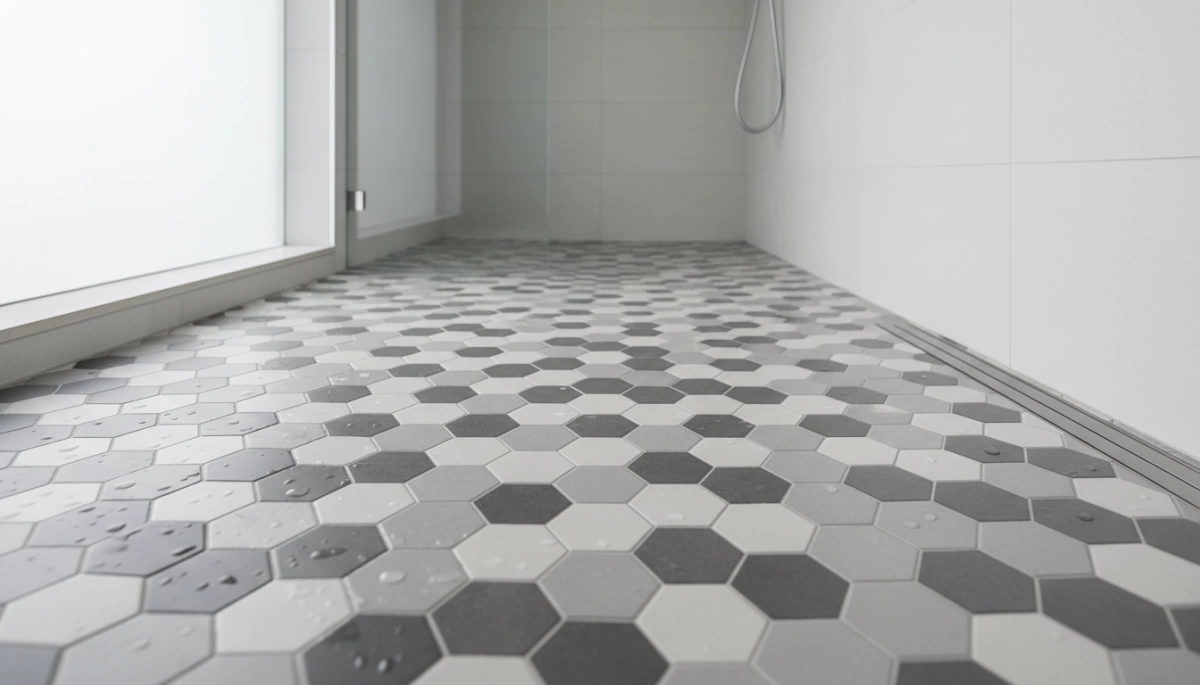
When I help clients design their bathrooms, the visual versatility of porcelain always stands out. You get the aesthetic appeal of premium materials combined with a tough, water resistant foundation.
Natural Stone and Wood-Look Porcelain
If you love the spa-like feel of nature but need a surface that handles daily moisture, these styles are perfect.
- Stone-Look: Mimics luxury materials like marble, slate, or travertine without the heavy maintenance or sealing requirements.
- Wood-Look: Delivers a warm, rustic vibe but will never warp, rot, or splinter like actual wood.
Both styles provide excellent slip resistance when you opt for a textured finish, making them a much safer choice for wet environments than smooth ceramic floor tiles.
Classic Hexagon and Geometric Patterns
Tile shape plays a massive role in both bathroom safety and style. I always recommend smaller geometric patterns for shower pans.
- Hexagon Tiles: A timeless, classic choice. The frequent grout lines naturally create a built-in grip for your feet.
- Penny Rounds & Herringbone: These patterns easily accommodate the slope toward the shower drain while maximizing foot traction.
These textured geometric shapes easily outperform standard, flat ceramic bathroom tile when it comes to preventing falls in a soapy environment.
Best Colors to Elevate Your Space
Choosing the right color ties your entire bathroom design together. You want your porcelain shower floor tile to anchor the room.
| Color Profile | Best Used For |
|---|---|
| Light Neutrals (White, Light Gray) | Smaller spaces. Makes the shower area look larger, cleaner, and much brighter. |
| Dark Tones (Charcoal, Navy, Black) | Modern aesthetics. Excellent for hiding minor dirt, soap scum, and hard water spots. |
| Earthy Tones (Warm Brown, Taupe) | Creating a relaxing, natural contrast against a bright, glossy shower wall tile. |
Porcelain vs. Alternative Shower Floor Materials
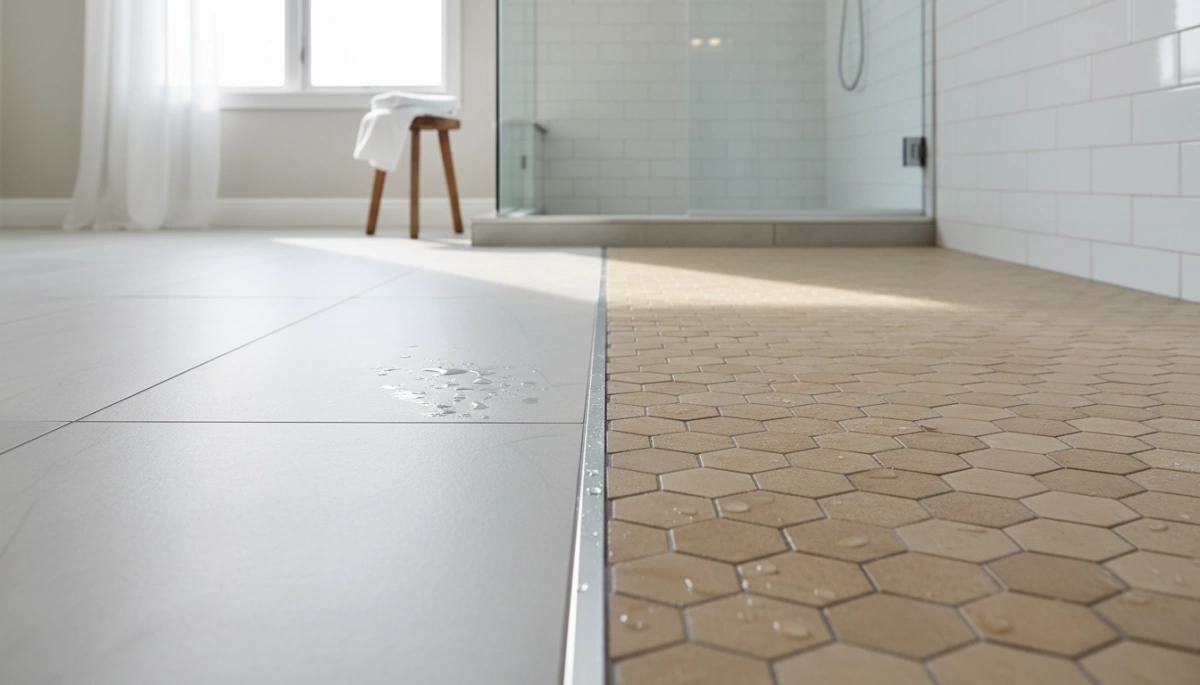
When I help clients design their bathrooms, the flooring material is always a big decision. While I love the look of many different materials, I always compare them strictly on performance and everyday maintenance. Here is how a porcelain shower floor tile stacks up against the common alternatives.
Porcelain Tile vs. Ceramic Tile
People often confuse these two, but they perform very differently under constant running water.
- Density: Porcelain is baked at much higher temperatures, making it significantly denser and far more water resistant than standard ceramic bathroom tile.
- Durability: While ceramic floor tiles are perfectly fine for dry areas or even used as a matching shower wall tile, porcelain handles the heavy water flow of a shower pan without absorbing moisture.
- Lifespan: Porcelain chips less easily and maintains its finish much longer in high-traffic wet zones.
Porcelain vs. Natural Stone Tiles
Natural stone brings an earthy, luxurious feel to a space, but it comes with serious upkeep.
| Feature | Porcelain Tile | Natural Stone |
|---|---|---|
| Maintenance | Low (No sealing needed) | High (Requires regular sealing) |
| Stain Resistance | Excellent | Prone to absorbing dyes and soaps |
| Cost | Budget-friendly | Premium price point |
With modern manufacturing, I can source a porcelain shower floor tile that perfectly mimics the look of high-end marble or slate without the headache of yearly sealing.
Porcelain vs. Pebble Shower Floors
Pebble floors look great for a rustic or spa-like bathroom, but they hide a major flaw: the grout.
- Grout Lines: Pebbles require a massive amount of grout to fill the irregular gaps. More grout simply means more scrubbing to prevent mold.
- Comfort: While some like the foot massage feel, standing on uneven river rocks can become uncomfortable over time.
- Safety & Upkeep: A textured mosaic porcelain shower floor tile provides reliable slip resistance while remaining completely flat, making it significantly easier to clean.
Installation and Maintenance Best Practices
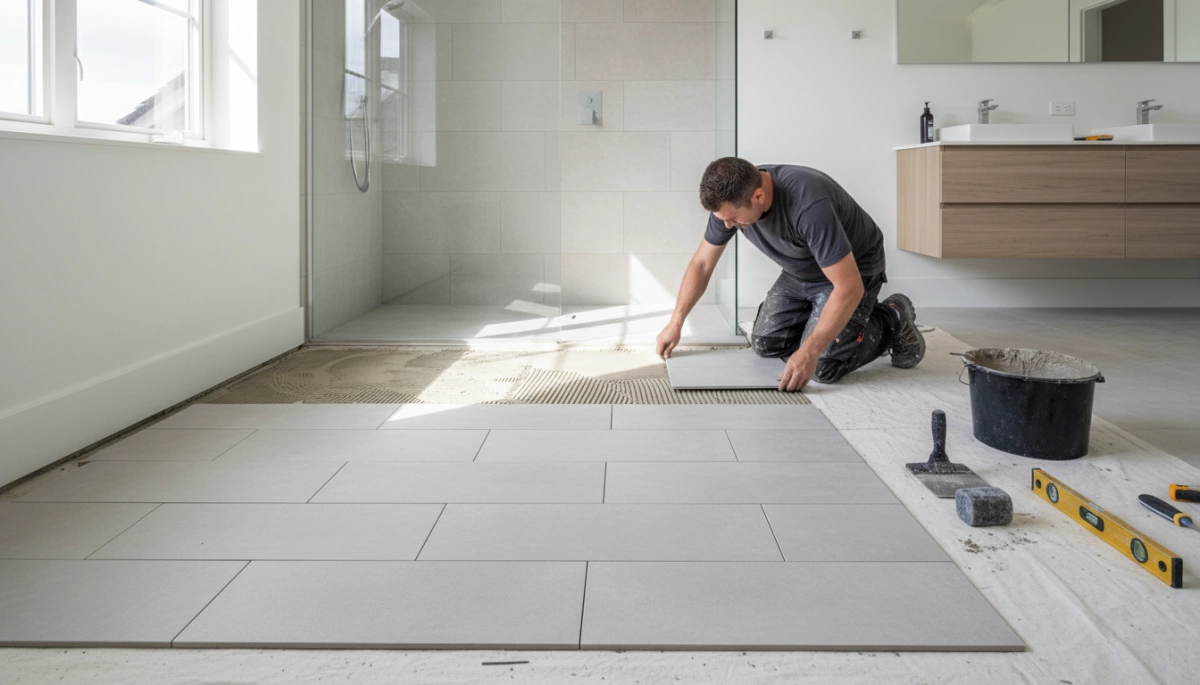
Preparing a Completely Waterproof Foundation
When installing your porcelain shower floor tile, the base is everything. Even the most water resistant materials will fail if the foundation leaks. Before laying down any floor pieces or matching shower wall tile, we always build a fully waterproofed shower pan. Using a high-quality, continuous waterproofing membrane over the subfloor is mandatory to block moisture, prevent structural rot, and guarantee a long-lasting shower system.
Grout Lines and Sealing Requirements
Porcelain is incredibly dense and never needs sealing. Your grout lines, however, absolutely do. The grid created by grout naturally increases slip resistance, making mosaic layouts much safer than smooth, large-format ceramic floor tiles or standard ceramic bathroom tile.
- Standard Cement Grout: Apply a premium penetrating sealer once a year to lock out moisture, soap scum, and mold.
- Premium Epoxy Grout: Highly durable, entirely waterproof, and requires zero sealing.
Daily Care and Deep Cleaning Tips
Maintaining a pristine shower floor is simple if you stay consistent. Avoid harsh chemicals or stiff metal brushes that can degrade your grout over time.
| Routine | Frequency | Action Plan |
|---|---|---|
| Quick Dry | Daily | Squeegee the floor to clear standing water and prevent hard water stains. |
| Basic Wash | Weekly | Clean the surface using a mild, pH-neutral tile cleaner and a soft sponge. |
| Deep Clean | Bi-annually | Scrub the grout lines gently using a soft bristle brush and a simple baking soda paste. |
Frequently Asked Questions About Porcelain Shower Floors
Are porcelain tiles too slippery for a shower?
Not if you choose the right finish. I always advise against high-gloss options for wet areas. To ensure maximum slip resistance, select a matte or textured porcelain shower floor tile. Smaller mosaic tiles also provide extra grip because the frequent grout lines act as a natural anti-slip surface, making them a much safer choice than standard smooth ceramic floor tiles.
What type of grout is best for shower floor tiles?
For wet environments, epoxy grout is the absolute best choice for your installation.
- Highly water resistant: It blocks moisture from seeping under your tile.
- Stain-proof: It naturally resists discoloration from daily soap and shampoo use.
- Durable: It will not crack, shrink, or wash away over time like traditional cement-based grouts.
Can I use large format porcelain tiles on my shower pan?
Yes, but it requires a specific plumbing setup. Traditional center drains require the floor to slope from all directions, which is incredibly difficult to achieve with large tiles without cutting them. If you want large format tiles on the floor to seamlessly match your shower wall tile or surrounding ceramic bathroom tile, you must install a linear drain. This allows the shower pan to slope in a single, flat direction, accommodating the larger tile size perfectly.
