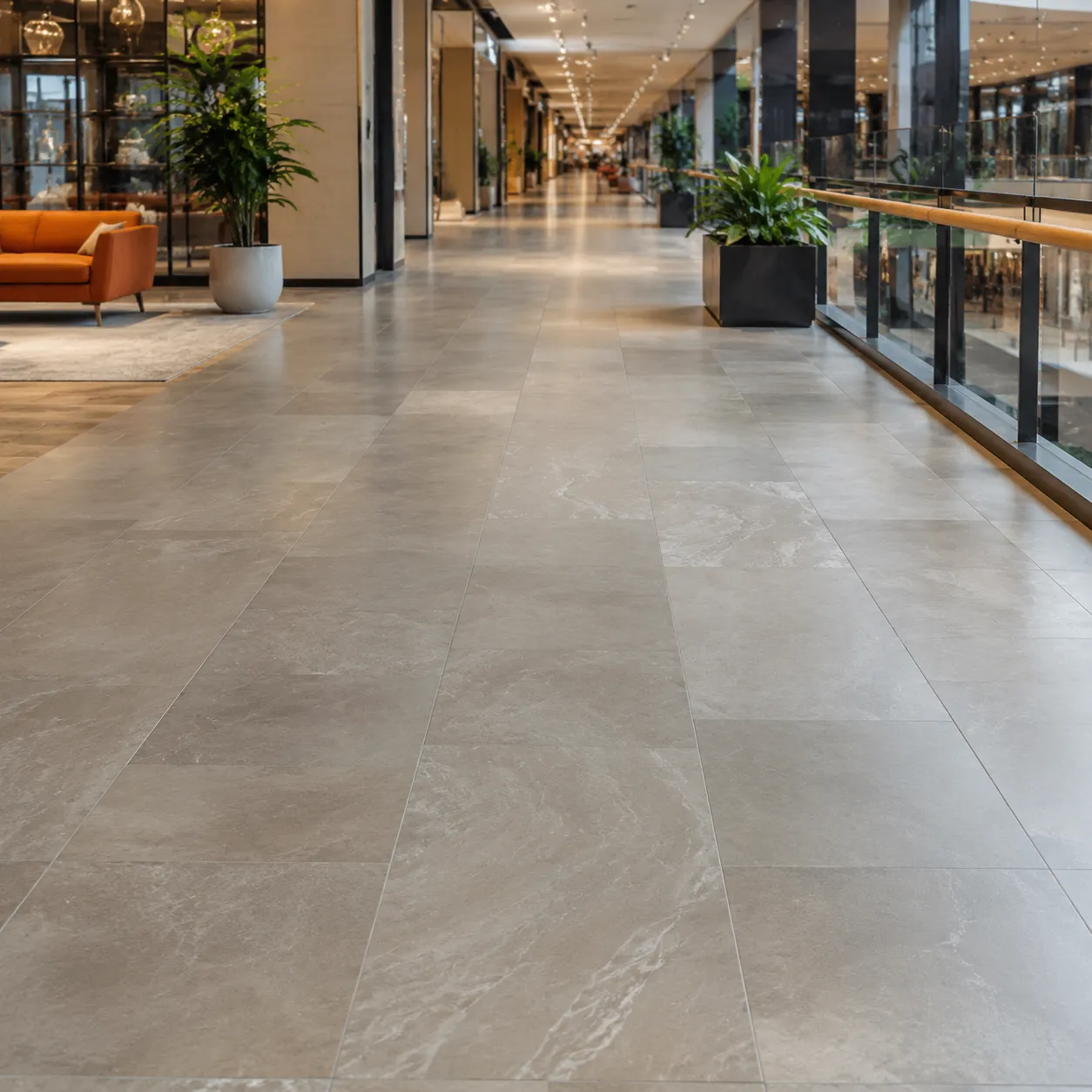
Understanding Heavy Traffic Tile Requirements
What Defines a High-Traffic Area?
A high-traffic area is any zone in a residential or commercial property that experiences continuous daily foot traffic, heavy loads, or friction. In homes, these are your entryways, kitchens, hallways, and mudrooms. In commercial settings, they include retail floors, hotel lobbies, and office corridors. These spaces demand flooring that resists wear, impact, and surface scratches without losing its structural integrity or aesthetic appeal.
Why Choosing the Right Tile Material Matters
Selecting the wrong tile material for busy zones leads to premature cracking, worn-down finishes, and costly replacements. Standard tiles fail under heavy pressure, while the right high-traffic tile preserves the property’s value and appearance. Investing in durable materials ensures long-term resistance to heavy impacts, moisture penetration, and abrasive dirt brought in from the outdoors.
How Room Function Affects Your Flooring Choice
Different spaces face unique demands. An entryway requires maximum scratch resistance and moisture defense, while a busy commercial kitchen demands slip resistance and chemical tolerance.
| Room Type | Primary Stressor | Recommended Feature |
|---|---|---|
| Entryways & Mudrooms | Dirt, moisture, grit | High scratch resistance, matte finish |
| Kitchens | Spills, dropped heavy objects | Low water absorption, high impact resistance |
| Commercial Lobbies | Constant foot traffic, wheeled carts | Maximum PEI rating, thick composition |
| Corridors & Hallways | Continuous linear wear | Deep abrasion resistance, easy maintenance |
Key Factors to Consider When Selecting High-Traffic Tiles
PEI Ratings and Material Durability
When figuring out which type of tile is best for a heavy traffic area, the PEI (Porcelain Enamel Institute) rating is your most reliable guide. This scale measures a tile’s resistance to abrasion and wear. For busy residential spaces or commercial floors, you need a high rating to prevent early wear and scratches.
| PEI Rating | Recommended Usage | Traffic Level |
|---|---|---|
| PEI 3 | Residential kitchens, countertops, and halls | Moderate |
| PEI 4 | All residential areas, commercial entryways, and offices | Heavy |
| PEI 5 | Malls, airports, and public commercial spaces | Extra Heavy |
Slip Resistance and Finish Safety
Safety is just as important as durability in busy zones. The slip resistance of a tile is measured by its DCOF (Dynamic Coefficient of Friction) rating. For high-traffic areas, look for a DCOF rating of 0.42 or higher.
Matte Finish: A matte finish tile provides excellent traction, making it ideal for busy family homes.
Textured Surfaces: Slight textures help prevent slips, especially near entryways where wet shoes are common.
Glossy Finishes: Avoid highly polished surfaces here, as they scratch easily and become slick when wet.
Water Absorption and Tile Thickness
The dense structure of a tile determines how well it handles moisture and heavy loads. High-traffic areas need dense, thick options that won’t crack under pressure.
Low Absorption: Look for impervious tiles with a water absorption rate of 0.5% or less. This prevents moisture from weakening the floor.
Tile Thickness: Standard floor tiles should be at least 8mm to 10mm thick. Thicker tiles handle the continuous impact of heavy foot traffic without cracking.
Color, Pattern, and Maintenance Needs
The right design choices can significantly cut down your daily cleaning routine. High-traffic floors see a lot of dirt, mud, and debris, so picking the right look is a smart practical choice.
Varied Patterns: Tiles with natural veining, mottling, or concrete patterns hide dust and footprints beautifully.
Mid-Tone Colors: Avoid solid white or solid black tiles. Mid-tones like grays, beiges, and taupes are the best at masking daily wear.
Grout Selection: Opt for darker, stain-resistant grouts. Light grout lines in busy hallways turn gray quickly and demand constant scrubbing.
The Best Types of Tile for Heavy Traffic Areas
When you are choosing flooring for a busy household or a bustling commercial space, the material you pick makes all the difference. Some materials chip and wear down within a few years, while others can handle constant foot traffic, dropped items, and muddy boots without showing a single mark. Below is a breakdown of the top options that deliver both strength and style.
Porcelain Tile: The Ultimate Choice for Durability
Porcelain is hands down the absolute best type of tile for a heavy traffic area. Because it is fired at incredibly high temperatures, it becomes dense, highly scratch-resistant, and nearly impervious to water.
- Through-Body Color: If a porcelain tile does happen to chip, the color goes all the way through, making the damage practically invisible.
- Design Flexibility: You can find stunning options that mimic wooden floor tiles, giving you a warm aesthetic without the vulnerability to moisture and scratches.
- Ideal Use: High-end residential entryways, busy kitchens, and commercial hallways.
Ceramic Tile: Budget-Friendly and Resilient
If you want a balance of performance and affordability, standard ceramic is a fantastic runner-up. While slightly less dense than porcelain, a high-quality ceramic tile with a tough glaze holds up beautifully against daily wear and tear.
- Finish Matters: Opt for a matte finish rather than a high-gloss glaze. Matte surfaces hide smudges, footprints, and micro-scratches much better.
- Cost-Effective: It allows you to cover large, busy spaces without breaking the bank.
- Ideal Use: Mudrooms, main living areas, and laundry rooms.
Natural Stone: Granite, Slate, and Quartzite
For an upscale look that inherently withstands heavy use, natural stone is a timeless investment. Unlike softer stones like marble, specific varieties like granite, slate, and quartzite are incredibly hard and durable.
| Stone Type | Key Benefit for High Traffic | Best Look |
|---|---|---|
| Granite | Resists scratches and stains when sealed | Polished or honed speckled luxury |
| Slate | Naturally slip-resistant textured surface | Rustic, dark earthy tones |
| Quartzite | Diamond-like hardness and durability | Elegant, veined contemporary style |
Quarry and Vitrified Tiles for Commercial Use
When maximum durability is required for industrial or commercial settings, quarry and vitrified tiles are the industry standard.
- Quarry Tiles: Made from unfiltered high-grade clays, these unglazed, thick tiles are highly slip-resistant and designed to handle heavy machinery and constant foot traffic.
- Vitrified Tiles: These undergo a hydraulic pressing process that creates a glass-like element within the tile, making them exceptionally strong with ultra-low water absorption.
- Ideal Use: Commercial kitchens, grocery store aisles, and public plazas.
Alternative High-Traffic Flooring Options to Consider
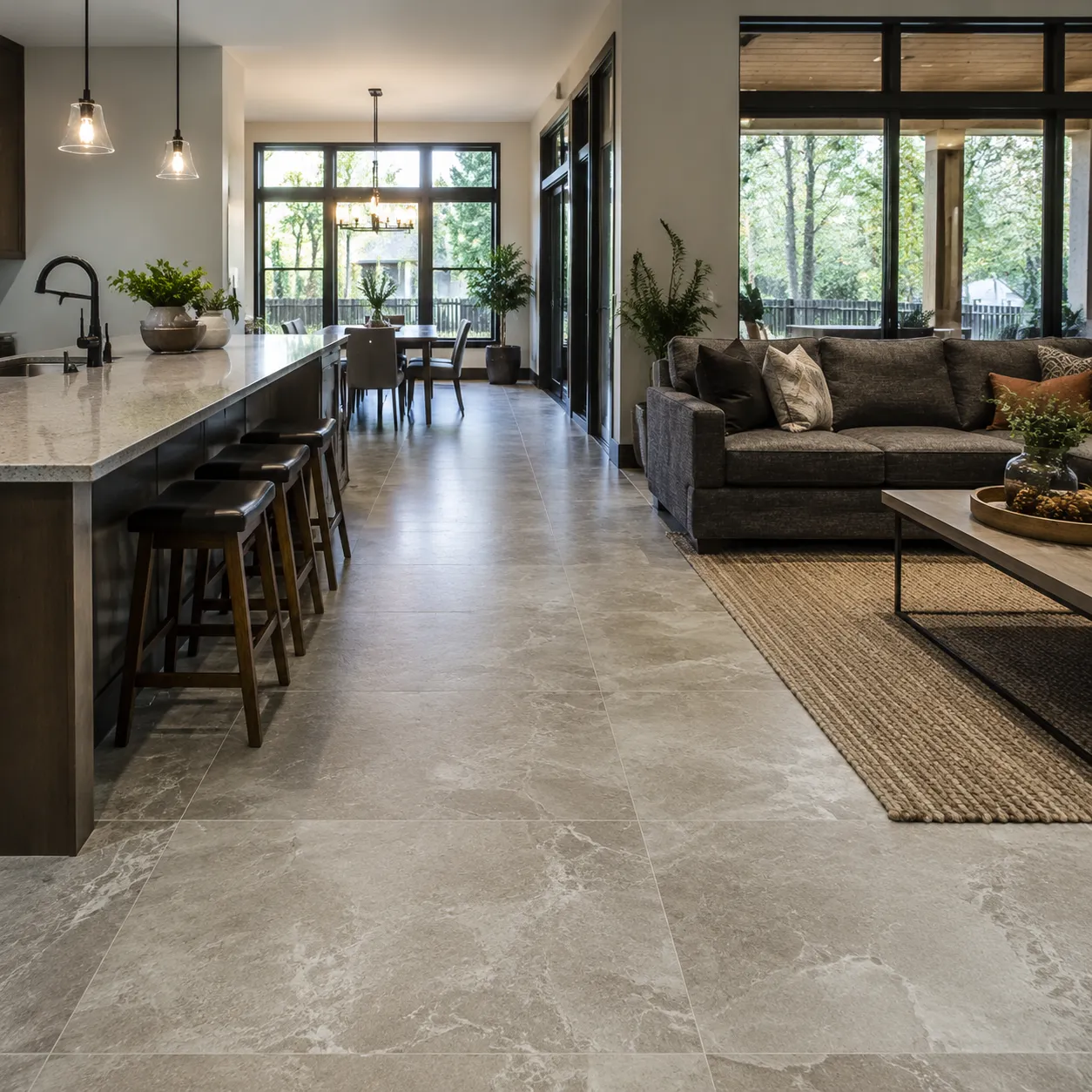
While exploring which type of tile is best for a heavy traffic area, looking into solid alternatives helps ensure you get the absolute best fit for your specific space and budget.
Luxury Vinyl Tile (LVT) and Plank Flooring
Luxury Vinyl Tile (LVT) and luxury vinyl planks mimic the look of natural stone and wooden floor tiles while offering incredible resilience. This flooring handles heavy foot traffic effortlessly because it absorbs impact and resists scratches, dents, and stains. It is completely waterproof, making it a stellar option for busy mudrooms, kitchens, and commercial spaces where spills happen daily.
Laminate Flooring Options
Modern laminate flooring provides a tough, multi-layer surface engineered to withstand severe wear and tear. It gives you the warmth of real hardwood without the high maintenance or the vulnerability to scratching. For busy homes with pets and kids, high-quality laminate offers a highly durable, budget-friendly surface that keeps its finish for years.
Polished Concrete Flooring
For an industrial, ultra-durable choice, polished concrete is practically indestructible. It eliminates the need for grout lines entirely and handles the highest traffic loads without cracking or wearing down. It is seamless, incredibly easy to clean, and perfect for modern open-concept spaces or high-volume retail environments.
High-Traffic Flooring Comparison
| Flooring Type | Scratch Resistance | Water Resistance | Maintenance Level | Best For |
|---|---|---|---|---|
| Luxury Vinyl Tile (LVT) | High | 100% Waterproof | Low | Kitchens, mudrooms, basements |
| Laminate Flooring | High | Medium to High | Low to Medium | Living rooms, hallways |
| Polished Concrete | Exceptionally High | High (when sealed) | Very Low | Commercial spaces, modern homes |
Frequently Asked Questions About High-Traffic Tiles
Is porcelain or ceramic better for busy entryways?
Porcelain is the superior choice for busy entryways. It is denser, less porous, and far more wear-resistant than standard ceramic. While ceramic works well for light-to-moderate foot traffic, porcelain handles the heavy mud, dirt, and grit tracked into a home without wearing down or absorbing moisture.
What is the absolute toughest tile material available?
Natural granite and quarry tiles are the absolute toughest options on the market. Granite offers unmatched natural hardness that resists scratches and chips, while quarry tiles are industrial-grade powerhouses built to withstand heavy machinery and constant commercial foot traffic. For standard residential and commercial interiors, a high-quality porcelain tile with a PEI rating of 4 or 5 delivers equivalent, everyday toughness.
Can large-format tiles handle heavy foot traffic?
Yes, large-format tiles can handle heavy foot traffic, but installation is everything. Because of their large surface area, they require a perfectly flat subfloor and 100% mortar coverage underneath. Any air gaps or uneven spots will create weak points, leading to cracks when under heavy loads.
Does natural stone require special maintenance in kitchens?
Yes, natural stone demands more hands-on care in a high-traffic kitchen compared to synthetic options.
- Sealing: Stones like slate, marble, and granite must be sealed upon installation and resealed annually to prevent stains from spills.
- Cleaning: You must avoid harsh, acidic cleaners that etch the surface.
- Finish: Choosing a matte finish or honed texture helps camouflage minor scratches and daily wear better than a high-gloss polish.
