You think your new tile floor is invincible against spills, but a hidden weakness could be lurking. This oversight can lead to water damage, mold, and expensive repairs. Understanding what makes a tile truly waterproof is the first step to protecting your investment.
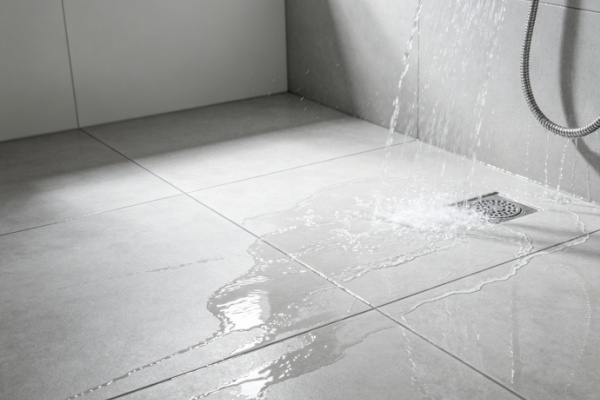
No, not all tile floors are waterproof. A tile's waterproof capability depends entirely on its water absorption rate. Porcelain tiles, with an absorption rate below 0.5%, are waterproof. Ceramic tiles, with rates above 10%, are not. Grout lines are also weak points and need waterproof sealant.
Now you know the short answer. But if you're an importer, a contractor, or a brand developer, the details are what protect your business and reputation. Choosing the wrong tile can lead to project failures and unhappy customers. Let's dive deeper into what you really need to know to select the right materials and avoid costly mistakes. This knowledge is what separates the amateurs from the pros in the building materials industry.
Is a Lower Water Absorption Rate Always Better?
You've been told that a lower water absorption rate is the mark of a quality tile. So you insist on the lowest rate for every project. But this could cause your wall tiles to fail, sliding right off the wall. Knowing where to apply this rule is critical.
For floor tiles, yes, a lower water absorption rate (under 0.5%) is superior for durability and stain resistance. However, for wall tiles, a slightly higher rate (around 10-15%) is actually beneficial, as it helps the tile bond more securely to the mortar or adhesive.
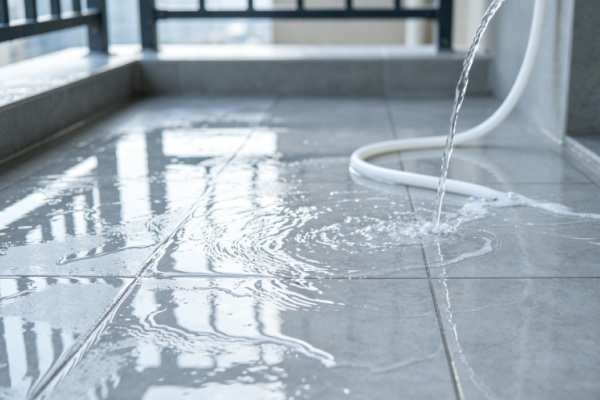
Let's break this down, because it’s a crucial distinction for anyone specifying materials for a large project. Floor tiles need to be warriors. They face foot traffic, heavy furniture, spills, and constant cleaning. A low water absorption rate means the tile is very dense. We achieve this by using refined clays and firing them at extremely high temperatures. This density makes porcelain tile incredibly strong, hard to stain, and almost impossible for water to penetrate. It’s exactly what you need for floors in kitchens, bathrooms, and commercial spaces.
Wall tiles, on the other hand, have a different job. They don’t get walked on. Their main challenge is staying put on a vertical surface. A ceramic wall tile is more porous by design. This slight absorbency allows it to "drink" a little moisture from the cement mortar or tile adhesive, creating a stronger, more permanent bond. If you used a non-porous porcelain tile on a wall with traditional mortar, it could have trouble gripping. I always tell my clients to think of it this way:
| Tile Type | Ideal Water Absorption | Primary Reason |
|---|---|---|
| Floor Tile (Porcelain) | < 0.5% | High density provides strength, durability, and water/stain resistance. |
| Wall Tile (Ceramic) | 10% - 15% | Porosity helps it adhere strongly to vertical surfaces with mortar. |
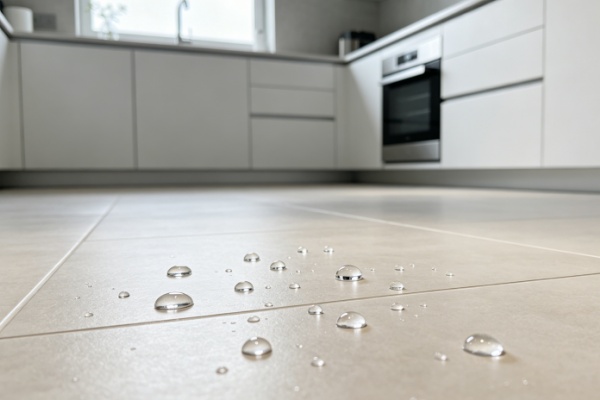
A simple trick I use when inspecting samples is to turn a tile over and pour a little water on the unglazed back. If the water sits there like a bead, you’re looking at a dense, high-quality porcelain. If it soaks in quickly, it’s a more porous ceramic.
Does a Thicker Tile Mean Better Quality?
It’s easy to assume that a thicker tile is a stronger, better tile. This leads many buyers to pay a premium for chunky tiles, thinking they're getting more value. But you could be buying a thick, porous tile that’s actually weaker than a thinner, denser alternative.
No, thickness is not the best indicator of a tile's quality or strength. The most important factor is density. A denser tile is stronger, more durable, and more resistant to impact, even if it's thinner. When comparing two tiles of the same size, the heavier one is usually denser and better.
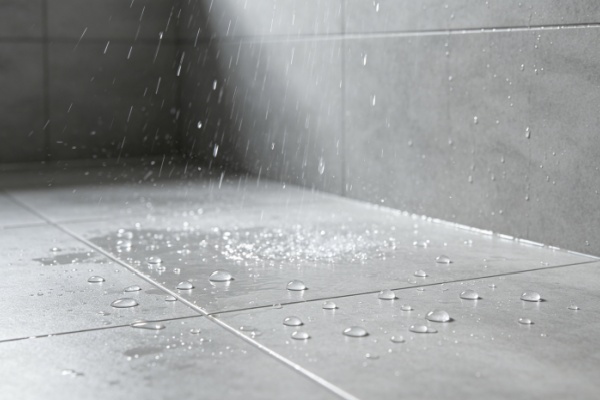
In our factory, we are obsessed with density. Density is the result of using superior raw materials and perfecting the firing process. When a tile is fired at over 1200°C, the particles fuse together tightly, eliminating voids and creating a compact, robust body. This is what gives porcelain its incredible strength. A poorly made, low-fired tile might be thick, but it will be full of microscopic air pockets, making it brittle and prone to chipping and water absorption.
Think of it like comparing a solid block of oak to a thick piece of styrofoam. The oak is thinner but infinitely stronger because of its density. The same principle applies to tiles. This is why the tile industry has successfully moved towards high-performance slim tiles. These products are incredibly strong and durable yet are lightweight, easier to transport, and ideal for renovation projects where you need to tile over existing surfaces. So, the next time you're evaluating samples, don't just look at the thickness. Pick them up. For two tiles of the same dimensions, the heavier one is your winner. It tells you it’s packed with quality material, not air.
What Common Mistakes Should You Avoid When Sourcing Tiles?
Sourcing materials for a large project is full of risks. You're putting your trust in a supplier miles away. A single mistake can lead to receiving low-quality products, wrong quantities, or mismatched colors, jeopardizing your timeline, budget, and professional reputation.
The biggest sourcing mistakes include accepting mislabeled water absorption rates, receiving a lower grade of tile than paid for, being shorted on quantity, and getting products that don't match the showroom sample. Always verify specifications independently and inspect all goods thoroughly upon arrival.
I've worked with hundreds of international buyers, and I've seen these painful mistakes happen. As a manufacturer, our reputation depends on preventing them. Here are the top pitfalls and how a professional partner helps you avoid them.
Pitfall 1: Falsified Specifications
Some suppliers might label a semi-porous tile with a water absorption rate of 3% as "porcelain" to command a higher price. Using this in a wet area would be a disaster.
- How to Check: Don't just trust the box. Perform the simple water test on the back of a sample tile. A true porcelain tile (<0.5% absorption) will not absorb the water.
Pitfall 2: Grade Swapping
You order "Premium Grade" tiles, which should have no defects, but you receive "First Grade" or "Standard Grade" boxes, which allow for a certain percentage of pieces with minor flaws like chips or color variations.
- How to Check: When your shipment arrives, open several random boxes from different pallets. Inspect the tiles for consistency, edge straightness, and surface defects. Our factory has a multi-stage QC process to ensure grade integrity.
Pitfall 3: Quantity Shortages
This is a simple but costly scam. You pay for 1,000 square meters, but the shipment only contains 950.
- How to Check: Do the math. Count the number of boxes, check the square meters per box printed on the side, and calculate the total. Never assume the packing list is correct without verification.
Pitfall 4: Sample vs. Production Mismatch
The beautiful sample you approved in the showroom looks nothing like the tiles that arrived. This is often due to a different production batch.
- How to Check: When you place your order, insist that the batch number is confirmed and that your entire order is fulfilled from that single batch. A reliable manufacturer maintains batch consistency and transparency.
Conclusion
In short, not all tiles are waterproof. True performance comes from low water absorption. Remember that density is more important than thickness, and always verify what you're buying to avoid common sourcing pitfalls.
