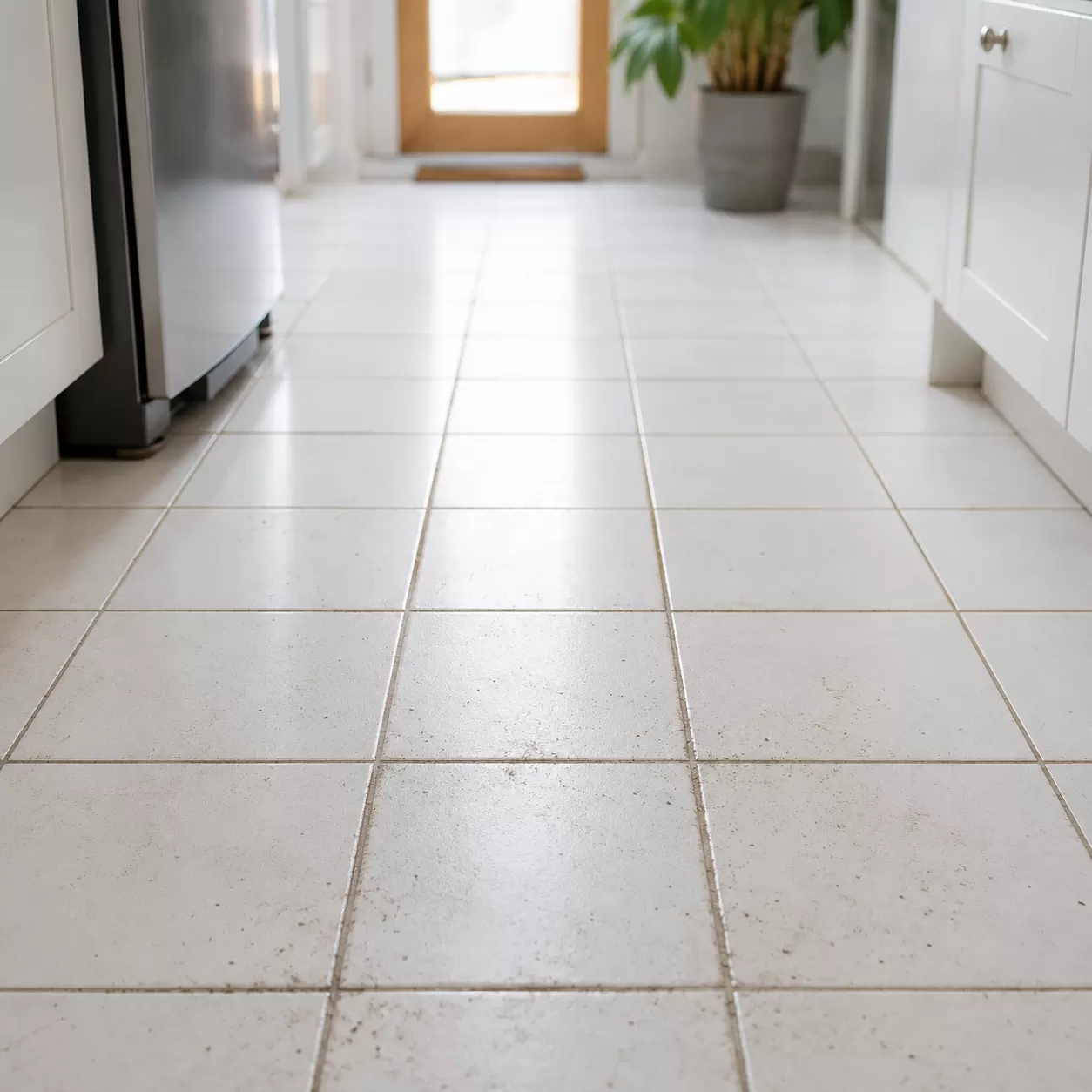
Does White Grout Get Dirty Easily? The Honest Truth
Yes, white grout lines for floor tiles get dirty incredibly easily. While a crisp, white grid delivers a timeless, high-end aesthetic, it is the most demanding choice for flooring. Grout is inherently porous, meaning it acts like a microscopic sponge for everyday dirt, spills, and foot traffic.
Why White Floor Grout Discolors So Quickly
Traditional cementitious grout is made of a porous sand-and-cement mixture. Because white grout lines for floor tiles lack dark pigments to mask imperfections, they show discoloration almost instantly.
The primary culprits behind rapid discoloration include:
- Microscopic Pores: Liquid spills like coffee, wine, and muddy water sink deep into the grout structure rather than sitting on top.
- Chemical Reactions: Ingredients in certain household soaps and shampoos can react with the cement, causing it to yellow or turn gray over time.
- Mold and Mildew: In damp environments, the textured surface of the grout provides the perfect breeding ground for organic staining.
High-Traffic Areas and the Problem with Traditional Mopping
Using a standard mop and bucket is often the direct cause of dingy white grout lines for floor tiles. In high-traffic zones like entryways, kitchens, and bathrooms, friction knocks dirt loose from shoes and pets.
The Mopping Trap: Traditional mopping doesn’t always remove dirt; instead, it moves dirty water across the floor. Because the grout lines sit slightly lower than the tile surface, they act as a squeegee, trapping the muddy water. The porous grout absorbs this residue, leading to a permanently weathered look.
What to Expect When Choosing White Grout for Floors
If you commit to white grout for your flooring project, you must anticipate a strict maintenance schedule.
| Expectation | Reality |
|---|---|
| Aesthetic Longevity | Requires immediate sealing post-installation and annual resealing to stay bright. |
| Cleaning Frequency | Expect to perform targeted grout scrubbing weekly rather than just basic mopping. |
| Traffic Tolerance | Best suited for low-traffic areas like guest bathrooms rather than main entryways. |
As a porcelain tile supplier and manufacturer, we always advise clients to balance their design vision with practical lifestyle demands. Choosing white grout lines for floor tiles requires high-performance sealants or advanced epoxy alternatives to preserve that pristine, out-of-the-box look long-term.
How to Prevent White Grout from Staining
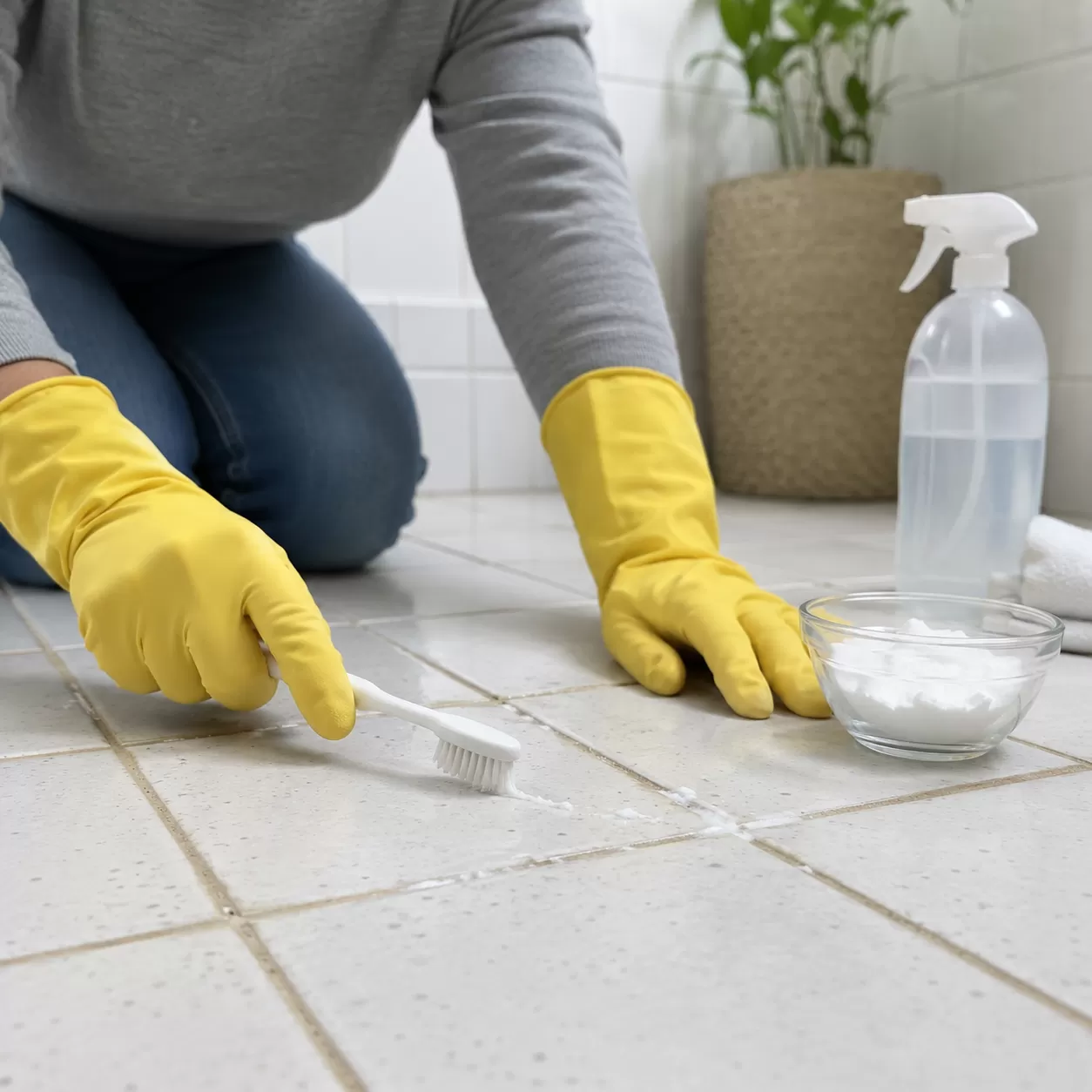
If you love the crisp, clean look of white grout lines for floor tiles, you have to be proactive. You can drastically cut down on stain removal headaches by making the right choices before and during installation. Prevention is always easier than scrubbing.
Choosing the Best Type of Grout from the Start
Standard cement grout is highly porous and acts like a sponge for dirty mop water. To keep your floors looking pristine, upgrade the material:
- Epoxy Grout: The absolute gold standard for stain resistance. It is non-porous, waterproof, and naturally rejects dirt and liquids without needing a sealer.
- Acrylic or Urethane Grout: Excellent premixed options that offer high stain resistance and flexible strength to prevent cracking.
The Importance of Sealing White Grout Properly
If you use traditional cement grout, applying a high-quality tile sealant is non-negotiable.
| Sealing Step | Why It Matters |
|---|---|
| Initial Application | Penetrates the pores to block out dirt, spills, and discoloration. |
| Curing Time | Allow the sealer to dry completely before walking on the floor to ensure maximum protection. |
| Maintenance | Reapply the sealant every 6 to 12 months in high-traffic areas to keep the barrier strong. |
Pro Tip: Test your sealer by dropping a few beads of water on the grout line. If the water beads up, your grout is protected. If it soaks in, it’s time to reseal.
Smart Tile Selection Tips to Minimize Grout Exposure
As a trusted porcelain tile supplier and manufacture, we always advise clients to consider how tile choice impacts cleaning grout later on. You can minimize your grout maintenance through smart design:
- Go Large Format: Choosing larger porcelain tiles means fewer grout lines across your floor, giving dirt fewer places to hide.
- Use Rectified Tiles: These tiles have perfectly straight, machined edges. They allow for ultra-thin grout lines (as narrow as 1/16 of an inch), shrinking the visible white grout area to a bare minimum.
Daily Maintenance and Best Cleaning Products for White Grout
Safe and Effective Cleaners for Regular Maintenance
Keeping white grout lines for floor tiles clean doesn’t require harsh chemical formulas. For daily wipe-downs, a pH-neutral tile cleaner or a simple mixture of warm water and mild dish soap works best. These solutions remove surface dirt without eating away at your tile sealant. If you need a bit more breaking power for light stains, a diluted solution of hydrogen peroxide is a safe, color-safe alternative to bleach that won’t degrade the grout structure over time.
Step-by-Step Bi-Weekly Cleaning Routine
To stop dirt from building up and causing permanent discoloration, follow this straightforward routine every two weeks:
- Dry Sweep: Thoroughly vacuum or sweep the floor to remove loose grit and debris before wetting the surface.
- Apply Cleaner: Spray your chosen pH-neutral cleaner directly onto the white grout lines and let it sit for 3 to 5 minutes to loosen grease.
- Agitate Gently: Scrub the lines using a soft-bristled grout brush or an old toothbrush. Avoid stiff wire brushes that scratch the tile.
- Rinse and Dry: Mop up the dirty residue with clean water. Wipe the floor dry with a microfiber cloth rather than letting it air dry, which prevents dirty water from settling back into the pores.
Products and Techniques to Avoid to Prevent Cloudiness
Using the wrong products will ruin your floor. Avoid these common cleaning mistakes to protect your investment:
| Product/Technique | Why Avoid It? |
|---|---|
| Dishwashing Detergent in Excess | Leaves a sticky film that actually attracts more dirt and causes cloudiness. |
| Wire Brushes & Steel Wool | Scratches porcelain tile surfaces and erodes the grout joints. |
| Acidic Cleaners (Vinegar/Lemon) | Eats away at the grout and strips the protective tile sealant. |
| Dirty Mop Water | Pushes muddy water straight into the porous white lines, speeding up discoloration. |
How to Restore and Deep Clean Heavily Stained White Grout
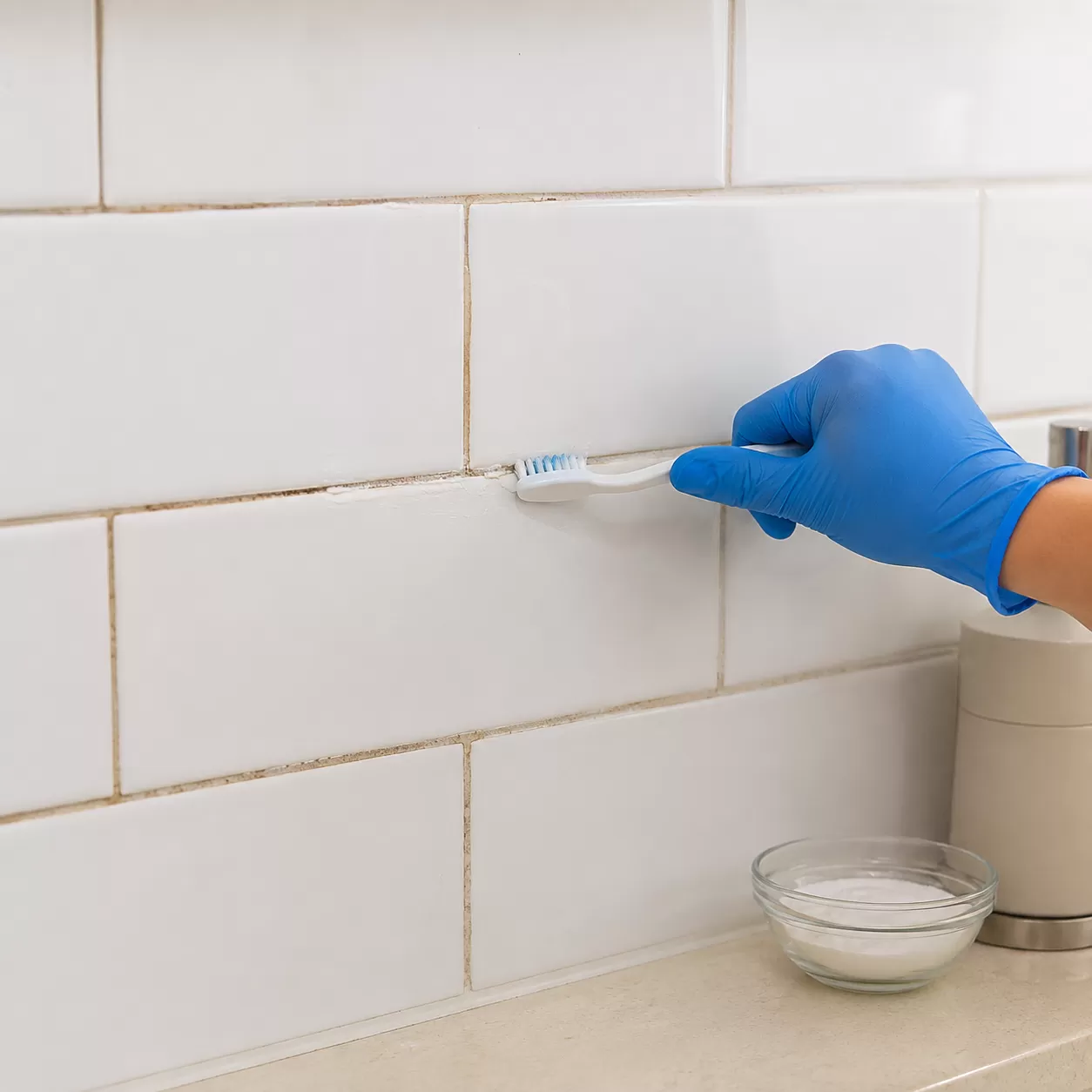
When white grout lines for floor tiles get dirty easily, standard mopping won’t cut it anymore. Over time, deep-set grime, grease, and hard water turn that bright white into an eyesore. Fortunately, you can restore heavily stained white grout with the right strategy.
DIY Methods for Removing Stubborn Grout Stains
For a budget-friendly fix, skip the harsh chemicals that erode grout over time. Instead, use a targeted DIY approach for effective stain removal and to reverse stubborn discoloration.
- Baking Soda and Hydrogen Peroxide Paste: Mix these into a thick paste, apply it to the grout lines, and let it sit for 10 minutes. The peroxide acts as a safe bleaching agent while the baking soda lifts dirt.
- The Agitation Step: Use a stiff-bristled grout brush to scrub the paste into the pores. Avoid metal wire brushes, which scratch the surrounding tile.
- Rinse Thoroughly: Wipe away the residue with clean water and a microfiber cloth. Residual baking soda will leave a white haze if not rinsed completely.
When to Use Consumer Steam Cleaners vs. Professional Services
If DIY scrubbing fails to lift the dirt, pressurized heat is the next logical step.
| Method | Best Used For | Pros | Cons |
|---|---|---|---|
| Consumer Steam Cleaner | Light to moderate grease, routine deep cleans, chemical-free sanitizing. | Inexpensive, easy to use, melts surface grime quickly. | Won’t remove deep, years-old chemical stains or permanent dye bleeding. |
| Professional Services | Severe blackening, mold infestations, whole-house restoration. | Commercial-grade suction and heat, zero effort required. | Higher upfront cost, requires scheduling. |
What Professional Tile and Grout Cleaning Can Achieve
As a porcelain tile supplier and manufacture, we see firsthand how neglected floors can ruin the look of high-quality tile. When DIY efforts hit a wall, professional truck-mounted extraction systems offer distinct advantages:
- Deep-Pore Extraction: High-pressure hot water reaches deep into the porous grout structure, blasting out dirt that manual scrubbing cannot reach.
- Uniform Color Restoration: Professional cleaning extracts oils evenly, eliminating the patchy, splotchy look of uneven hand-scrubbing.
- Preparation for Tile Sealant: Professionals leave the grout completely clean and dry, creating the perfect canvas to reapply a premium tile sealant to lock out future stains.
Long-Term Solutions and Low-Maintenance Alternatives
Keeping white grout lines for floor tiles looking bright requires strategy. If standard cleaning feels like a losing battle, switching to long-term preventative habits or exploring alternative materials will save time and effort.
How to Maintain Your Grout Brightness Long-Term
Consistency outweighs heavy scrubbing. To stop floor grout from absorbing dirt and liquids over time, establish a proactive protection routine.
- Reapply Tile Sealant Annually: Penetrating sealants wear off. Reapply a high-quality sealant every 12 to 18 months to keep the grout waterproof and stain-resistant.
- Use Walk-Off Mats: Place heavy-duty mats at all exterior entryways to catch dirt before it reaches the tiled floors.
- Wipe Up Spills Immediately: Liquid spills like coffee, wine, or mud seep into white grout quickly. Blot them instantly rather than letting them air dry.
Easy-Clean Tile Options for Busy Households
The tile you pair with your grout impacts how hard you have to work.We design flooring solutions that naturally reduce cleaning stress.
| Tile Type | Grout Exposure | Maintenance Level | Best Used For |
|---|---|---|---|
| Large-Format Porcelain Tile | Minimal (Fewer lines) | Very Low | Living rooms, hallways, open areas |
| Rectified Edge Tile | Ultra-narrow ($1text{mm} – 1.5text{mm}$) | Low | Modern kitchens, bathrooms |
| Standard Ceramic Tile | Wide grout lines | Medium to High | Low-traffic accent areas |
Choosing larger porcelain tiles means fewer seams overall, significantly reducing the surface area where dirt can collect.
When to Consider Regrouting or Changing Grout Color
If the white floor grout is permanently stained, structurally damaged, or crumbling, cleaning will no longer fix the issue.
- Grout Color Sealants: If the grout is structurally sound but permanently discolored, apply an epoxy-based grout stain. This changes the color (e.g., to gray or beige) and seals it simultaneously.
- Regrouting: When grout cracks or harbors mold deep beneath the surface, scrape out the old material and replace it entirely with high-performance epoxy grout, which resists staining far better than traditional cement grout.
