Understanding Your Porcelain Tile Floors
What Makes Porcelain Tile Unique
Porcelain tile stands out as one of the most durable and versatile flooring solutions on the global market today. As a premier porcelain tile supplier and manufacturer, we craft these tiles from highly refined clay fired at extremely high temperatures. This specialized manufacturing process results in an incredibly dense, non-porous material with an exceptionally low water absorption rate.
Unlike standard ceramic, porcelain offers superior resistance to scratches, stains, and heavy foot traffic, making it an ideal choice for both residential and commercial spaces worldwide. Whether you install polished, matte, or textured finishes, understanding this material’s inherent strength is the first step toward proper care.
The Importance of Initial Cleaning After Installation
The most critical maintenance step occurs immediately after your tile is laid. Post-installation cleaning removes grout haze, a stubborn film left behind during the grouting process that can permanently dull the tile’s surface if neglected.
- Timing: Wait until the grout has fully cured according to the manufacturer’s instructions (typically 24 to 48 hours).
- Process: Use a clean microfiber cloth and a specialized post-installation acidic cleaner designed to dissolve cementitious residues without damaging the tile.
- Precaution: Avoid harsh wire brushes that can scratch the surface; instead, rely on a firm grout brush or nylon scrubbing pad for targeted areas.
Proper initial cleaning ensures your porcelain tile floors retain their brilliant clarity and structural integrity for decades to come.
Routine Maintenance and Daily Cleaning
Keeping your floors spotless doesn’t require hours of hard labor. As a porcelain tile supplier and manufacturer, we know exactly what it takes to maintain that showroom brilliance with minimal effort. Consistent, simple habits are the secret to longevity.
How to Sweep and Vacuum Porcelain Floors
Dust, sand, and grit act like sandpaper underfoot, dulling the surface over time. Daily debris removal prevents fine scratches and keeps the surface pristine.
- Use the right tools: Opt for a soft-bristle broom or a microfiber cloth dust mop that lifts dirt instead of pushing it around.
- Vacuum safely: If you prefer vacuuming, turn off the beater bar or use a hard-floor attachment to avoid scratching the tile.
- Target high-traffic zones: Pay extra attention to entryways and hallways where outdoor grit accumulates quickly.
The Best Way to Mop Porcelain Tile
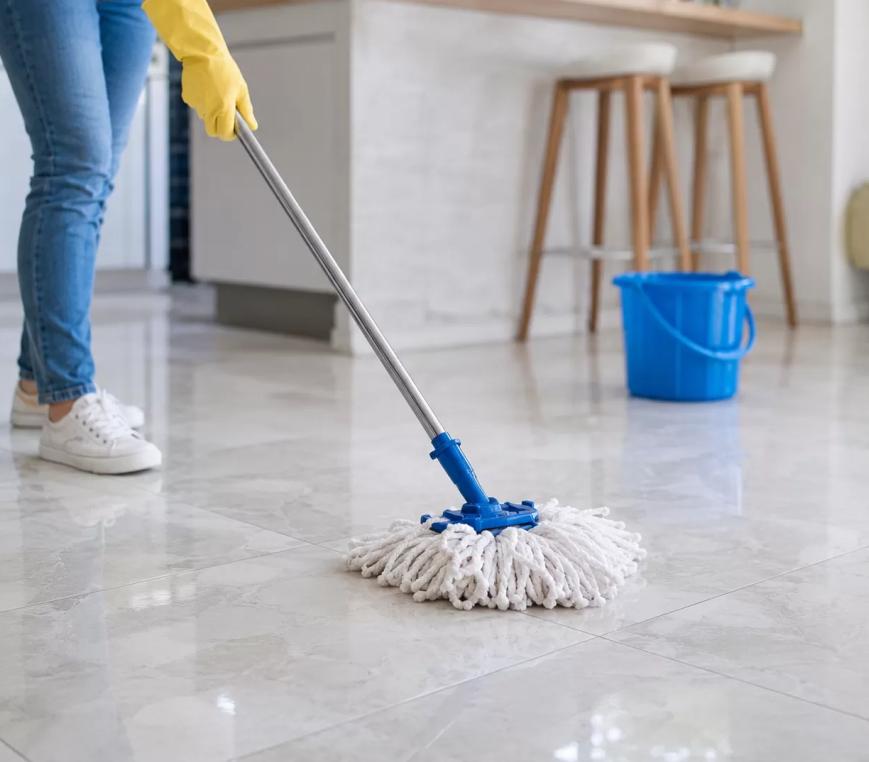
When it comes to mopping, less is more. Porcelain has a non-porous surface, meaning water and soap can easily puddle and leave streaks if overapplied.
| Step | Action | Why It Matters |
|---|---|---|
| 1. Dilute | Mix warm water with a drop of mild, pH-neutral cleaner. | Prevents soapy residue buildup. |
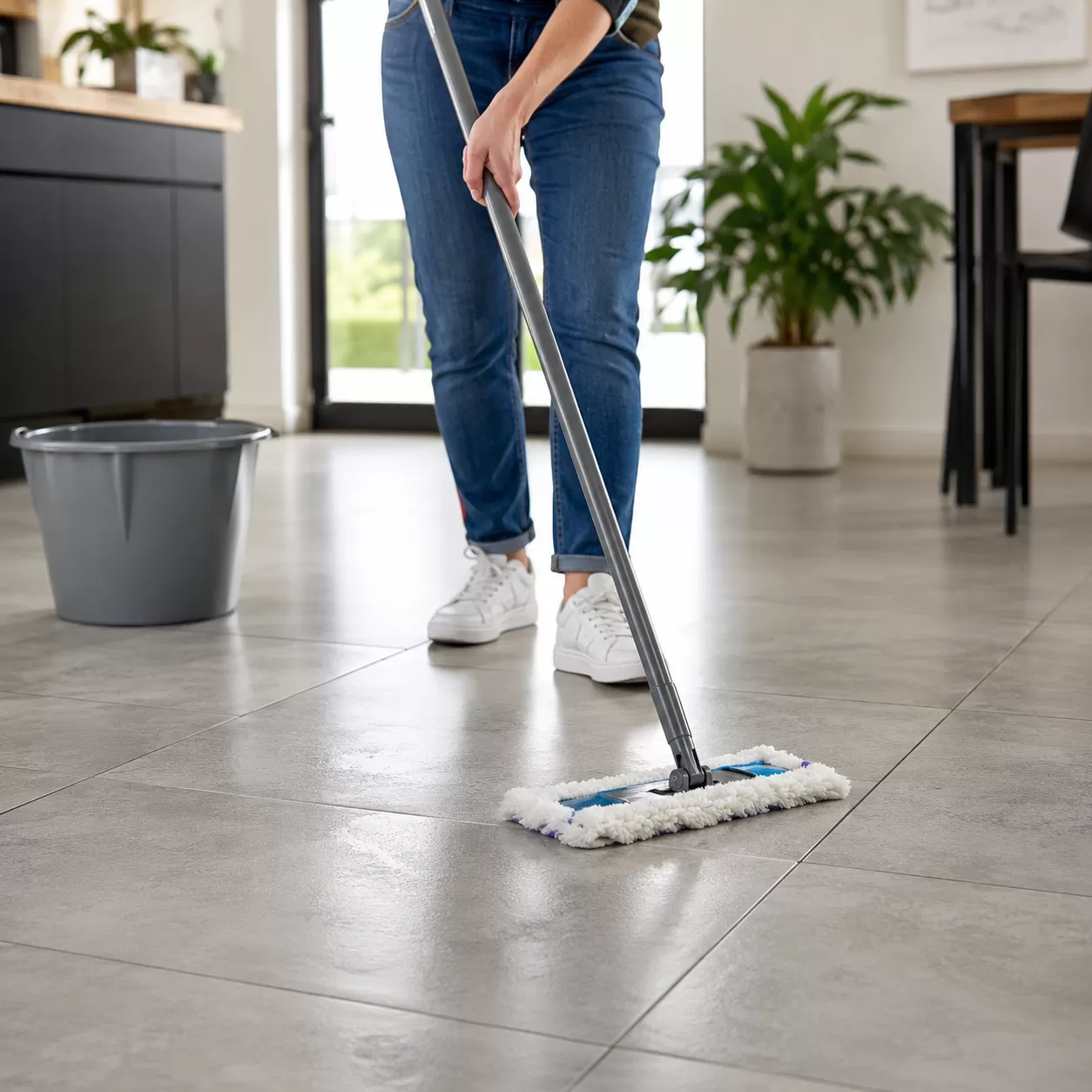
| 2. Dampen | Wring out your microfiber mop until it is just damp. | Excess water streaks the tile finish. |
| 3. Clean | Mop in a consistent, overlapping pattern. | Ensures even coverage and no missed spots. |
| 4. Dry | Buff dry with a clean towel if your water is hard. | Prevents water spots and mineral rings. |
Special Care for Wood-Effect Porcelain Stoneware
Wood-look porcelain is incredibly popular for its rustic charm and extreme durability, but its textured surface requires a slightly different approach than high-gloss tile.
The realistic grain patterns and grooved textures can trap dirt more easily than smooth surfaces. To keep these floors looking authentic, always sweep and mop in the direction of the faux wood grain. This ensures your mop fibers reach deep into the texture to lift out hidden dust. Avoid using string mops on these surfaces, as they tend to skip over the grooves; a flat microfiber mop or a soft grout brush for deeper crevices works best to maintain that flawless, natural wood appearance.
Choosing the Right Porcelain Tile Cleaners
Recommended Commercial Cleaning Products
When it comes to daily maintenance or a deep clean, choosing the right commercial cleaner makes all the difference. As a premier porcelain tile supplier and manufacture, we always recommend pH-neutral cleaners. These formulas break down dirt without damaging the tile’s protective glaze or eroding the surrounding grout.
Look for specialized tile cleaners that explicitly state “neutral pH” on the label. For high-traffic commercial spaces or busy households, heavy-duty alkaline cleaners work wonders for cutting through grease and built-up grime without leaving a dull residue.
DIY Tile Floor Cleaner Solutions
You don’t always need specialized chemicals to get a spotless finish. A simple, budget-friendly DIY tile floor cleaner works perfectly for regular upkeep.
- The Daily Mix: Mix two gallons of warm water with a few drops of mild dish soap. Use a microfiber cloth or damp mop to wipe the surface.
- The Vinegar Reset: For a deeper clean or to remove hard water spots, mix 1/4 cup of white vinegar with two gallons of warm water.
- The Baking Soda Paste: For stubborn spots, mix baking soda and water into a paste, apply it to the area, and scrub gently with a soft grout brush.
Cleaning Products and Ingredients to Avoid
Porcelain is incredibly durable, but the wrong chemicals will ruin its finish and destroy your grout lines over time. To keep your floors looking brand new, completely avoid these harsh ingredients:
| Product Type | Why You Must Avoid It |
|---|---|
| Ammonia & Bleach | Discolors grout lines and can erode the sealer. |
| Wax & Oil-Based Cleaners | Leaves a greasy film that traps dirt and makes floors slippery. |
| Acidic Cleaners (High Concentration) | Can etch polished porcelain finishes and weaken grout. |
| Steel Wool & Abrasive Scrudpads | Creates microscopic scratches that permanently dull the tile surface. |
Deep Cleaning and Extraordinary Stain Removal
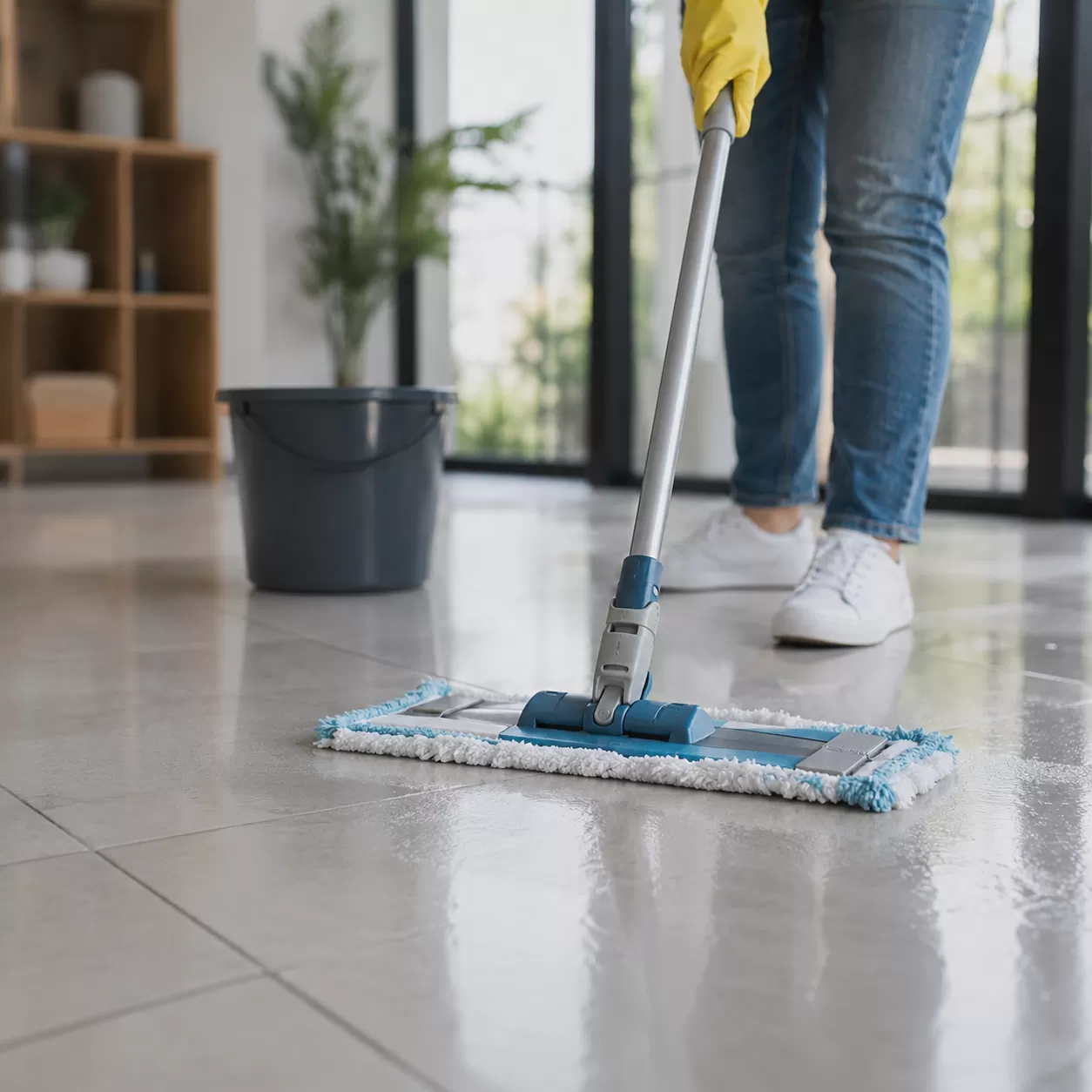
Even the toughest floors need a serious refresh now and then. When standard mopping doesn’t cut it, a targeted deep clean will restore that original shine. As a porcelain tile supplier and manufacture, we know exactly what it takes to blast through built-in grime without damaging the surface.
How to Remove Stubborn Stains and Scratches
Different stains require different tactics. Porcelain is highly dense and stain-resistant, but spills left too long can leave a mark on the surface.
- Coffee, Wine, and Food Stains: Apply a paste of baking soda and water. Let it sit for 15 minutes, scrub gently with a soft grout brush or microfiber cloth, and rinse.
- Ink or Dye: Use rubbing alcohol on a cloth and dab the spot until it lifts.
- Hard Water Deposits: Apply a mild vinegar and water solution (1:4 ratio), let it sit for a few minutes, scrub, and rinse thoroughly.
- Surface Scratches: True scratches are rare on porcelain, but metal objects can leave dark transfer marks. Use a small amount of non-abrasive polishing paste or a magic eraser to buff them out completely.
Heavy-Duty Cleaning Techniques for High-Traffic Areas
Entryways, kitchens, and mudrooms take a beating daily. When dirt gets ground into the texture of your porcelain tile floors, use this heavy-duty restoration method.
| Step | Action | Tools & Materials |
|---|---|---|
| 1. Prep | Sweep or vacuum thoroughly to remove all loose grit. | Broom or vacuum |
| 2. Apply Cleaner | Mix a heavy-duty, alkaline-based tile cleaner with warm water and spread it generously over the floor. | Alkaline tile cleaner, bucket |
| 3. Dwell Time | Let the solution sit for 5 to 10 minutes to break down grease and tracked-in dirt. Do not let it dry. | N/A |
| 4. Agitate | Scrub the tile faces and low points using a stiff-bristled brush. | Scrub brush, grout brush |
| 5. Extraction & Rinse | Mop up the dirty water, then rinse the entire floor twice with clean, clear water. | Mop, clean water, microfiber cloth |
How to Clean and Maintain Tile Grout
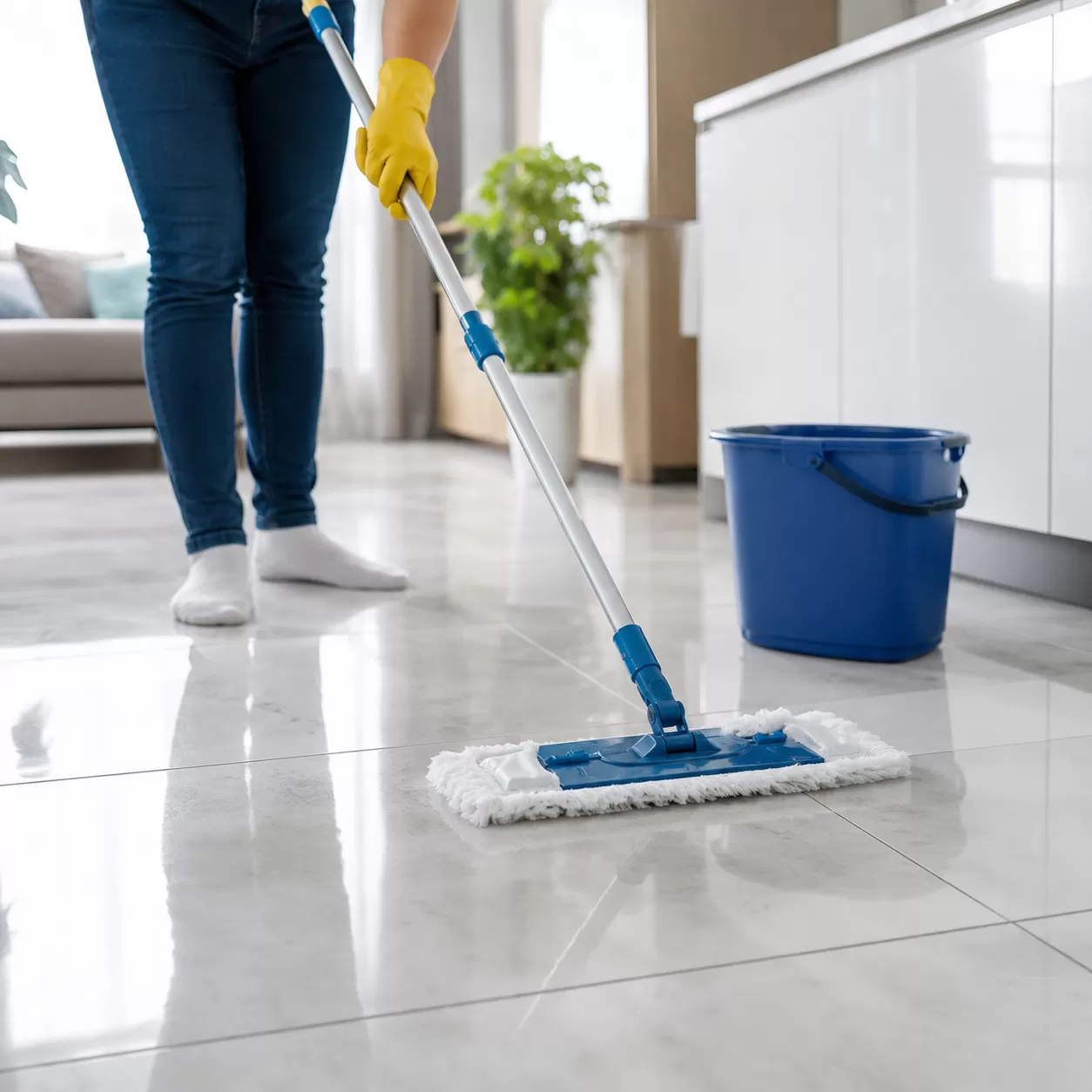
Cleaning the tiles themselves is only half the battle; the grout lines between them are what usually trap the most dirt. Because grout is porous, it acts like a sponge for muddy water, spills, and dust. Keeping these lines clean is the secret to making your entire floor look brand new.
Best Methods for Cleaning Grout Lines
When we manufacture our porcelain tiles, we always remind clients that the right cleaning method depends on how dirty the grout is. You don’t need harsh chemicals to get great results.
- For Light Stains: Mix equal parts warm water and baking soda into a thick paste. Apply it to the grout lines, let it sit for five minutes, and scrub firmly with a grout brush. Wipe clean with a damp microfiber cloth.
- For Tough Dirt: Spray a mix of 50% white vinegar and 50% warm water over the baking soda paste. It will fizz and break down the grease. Scrub it well, then rinse thoroughly.
- For Heavy-Duty Cleaning: Use a specialized, pH-neutral commercial grout cleaner. Avoid bleach on colored grout, as it can fade the pigment over time.
Sealing and Preventing Grout Discoloration
The easiest way to handle grout maintenance is to prevent stains from penetrating in the first place. A proper seal creates a protective barrier that keeps moisture and dirt on the surface.
| Action Item | Frequency | Why It Matters |
|---|---|---|
| Apply Grout Sealer | Once a year | Blocks dirt, oils, and water from soaking into the porous grout. |
| Wipe Up Spills Immediately | Instantly | Prevents colored liquids (like coffee or wine) from permanently staining the lines. |
| Use a Microfiber Mop | Weekly | Standard cotton mops push dirty water into the grout joints. Microfiber lifts it away. |
As a dedicated porcelain tile supplier and manufacture, we always recommend sealing your grout about two to three weeks after installation, and re-applying it annually to keep your floors looking flawless.
Preventative Care and Long-Term Maintenance
Protecting Porcelain Surfaces from Scratches and Damage
Porcelain is incredibly durable, but it isn’t completely bulletproof. To protect your investment and prevent surface scratches, a few simple safeguards go a long way.
- Use Furniture Pads: Attach felt protectors to the legs of tables, chairs, and heavy furniture. This prevents scratching when items shift.
- Avoid Dragging Objects: Never drag heavy appliances or furniture across the floor. Always lift them completely or use a moving dolly with rubber wheels.
- Watch the Pets: Keep pet nails trimmed to eliminate the risk of micro-scratches over time.
- Ditch the Steel Wool: Never use abrasive scrubbing pads, steel wool, or metal scrapers. Stick to a soft microfiber cloth or a nylon grout brush for tough spots.
| Potential Threat | Prevention Method |
|---|---|
| Heavy Furniture | Felt pads & lifting instead of dragging |
| Abrasive Cleaners | Soft cloths & pH-neutral solutions |
| Outdoor Dirt & Grit | High-quality entry mats at all doorways |
Daily Habits to Keep Tile Floors Looking New
Establishing a quick, consistent routine is the best way to maintain that showroom shine without spending hours on your knees. As a trusted porcelain tile supplier and manufacturer, we always tell our clients that consistency beats heavy scrubbing every time.
- Daily Sweep or Vacuum: Use a soft-bristle broom to sweep away loose dirt daily. If using a vacuum, turn off the beater bar to avoid scratching the tile surface.
- Catch Dirt at the Door: Place mats inside and outside every entryway to trap grit, sand, and moisture before it ever hits your floors.
- Wipe Spills Immediately: Liquid spills—especially coffee, wine, or oil—should be wiped up right away with a microfiber cloth to keep the grout lines clean and stain-free.
- Shake Out Rugs Regularly: Ensure any area rugs or mats are shaken out weekly so trapped dirt doesn’t grind into the porcelain underneath.
