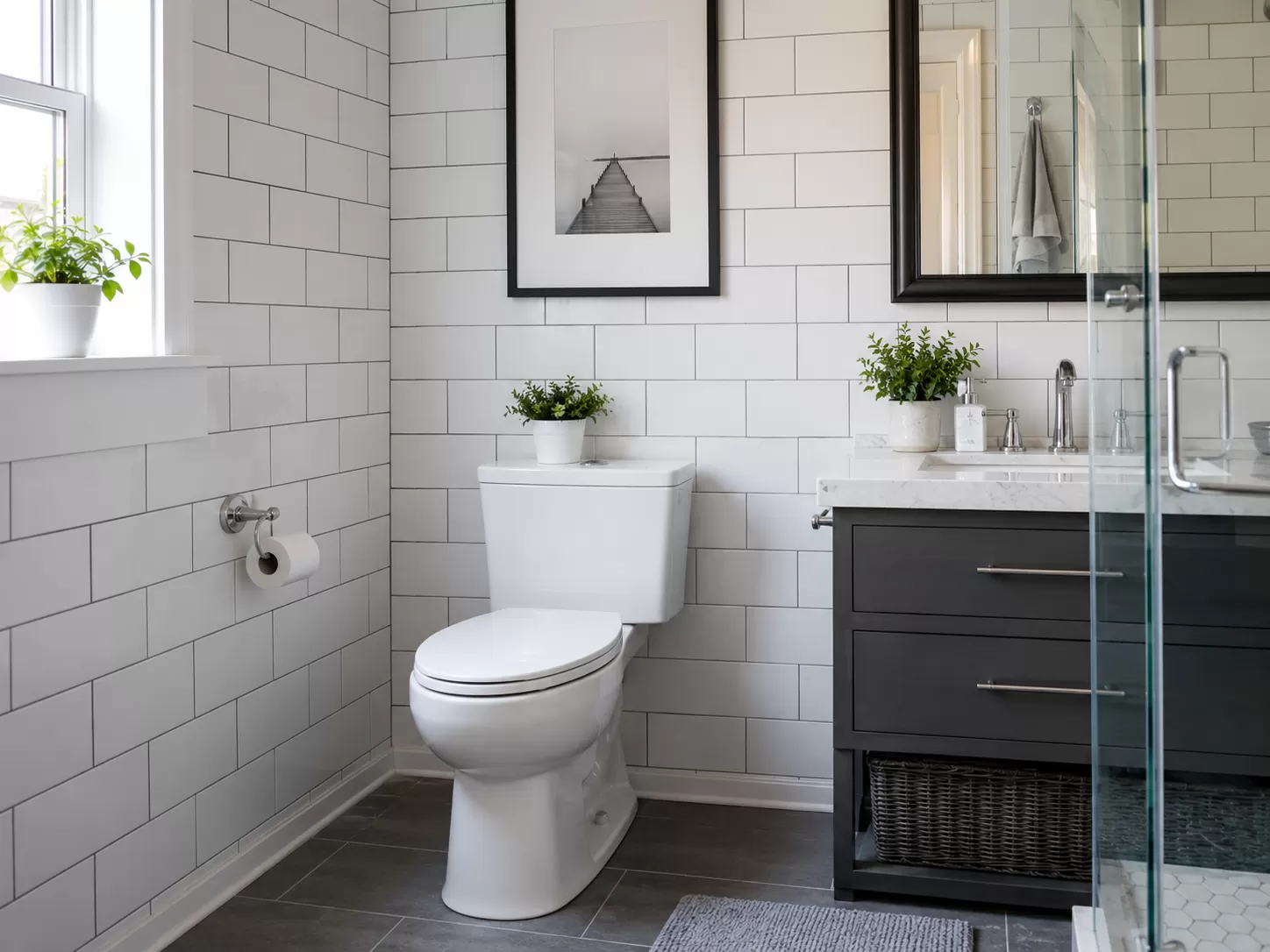
Have you ever noticed that almost every bathroom you walk into looks like a sea of white tiles?
It’s not just a random coincidence. As someone who has spent years helping people design and renovate spaces, I can tell you that choosing the right wall covering can completely transform a bathroom’s entire vibe.
Whether you’re trying to make a cramped, dark bathroom feel bright and spacious, aiming for a timeless aesthetic that boosts resale value, or just obsessed with that crisp, pristine feeling of absolute cleanliness, white tiles are the undisputed champion for a reason.
But how do you pull off the look without making your bathroom feel like a cold, sterile hospital room? And what about the nightmare of keeping that white grout looking fresh?
In this guide, we’re breaking down exactly why white bathroom walls dominate the industry, the best tile shapes to level up your design, and the insider secrets to maintaining them with zero stress.
Let’s dive right in.
Why White Tiles Are the Most Popular Choice for Toilet and Bathroom Walls
White tiles have remained the industry standard for commercial and residential bathrooms worldwide. As a premier porcelain tile manufacture and supplier, we see firsthand how white wall coverings consistently dominate global market demands. This preference is driven by distinct psychological, spatial, and economic advantages that alternative colors simply cannot replicate.
Perception of Cleanliness and Hygiene
Hygiene is the primary concern in any restroom environment. White surfaces show dirt, grime, and stains immediately, which serves as a practical indicator of when a space needs cleaning.
- Instant Visibility: Allows for immediate spot-cleaning to maintain sanitary standards.
- Psychological Comfort: A pristine white wall reassures users, guests, and customers that the environment is sterile and safe.
- Clinical Cleanliness: Evokes the fresh, trustworthy ambiance required in modern homes and public facilities alike.
Maximizing Light and Brightness in Small Spaces
Toilets and bathrooms frequently lack large windows, making ambient light a scarce commodity. White tile surfaces possess a high Light Reflectance Value (LRV), meaning they bounce both natural and artificial light efficiently throughout the room. By eliminating dark corners, white walls create an energized, bright environment that feels welcoming rather than claustrophobic.
Creating the Illusion of a Larger Room
Most residential layouts relegate the smallest footprints to toilets and powder rooms. Utilizing white tiles on the walls visually expands these boundaries.
| Feature | Design Impact |
|---|---|
| Seamless Transitions | White walls blend effortlessly with standard white porcelain fixtures (toilets, sinks), erasing harsh visual breaks. |
| Receding Boundaries | Light colors naturally recede from the eye, creating a larger space out of cramped square footage. |
| Cohesive Flow | Extending white wall tiles down to light-colored flooring unifies the vertical and horizontal planes. |
Timeless Aesthetic and High Resale Value
Trends in interior design shift rapidly, but white remains permanently in style. Investing in premium white wall tiles ensures that a property remains modern for decades, protecting the initial renovation budget. Furthermore, because white acts as a neutral canvas, it appeals to the broadest possible demographic, directly increasing property appraisal values and attracting future buyers who want a versatile space they can easily personalize.
Popular Types and Shapes of White Bathroom Tiles
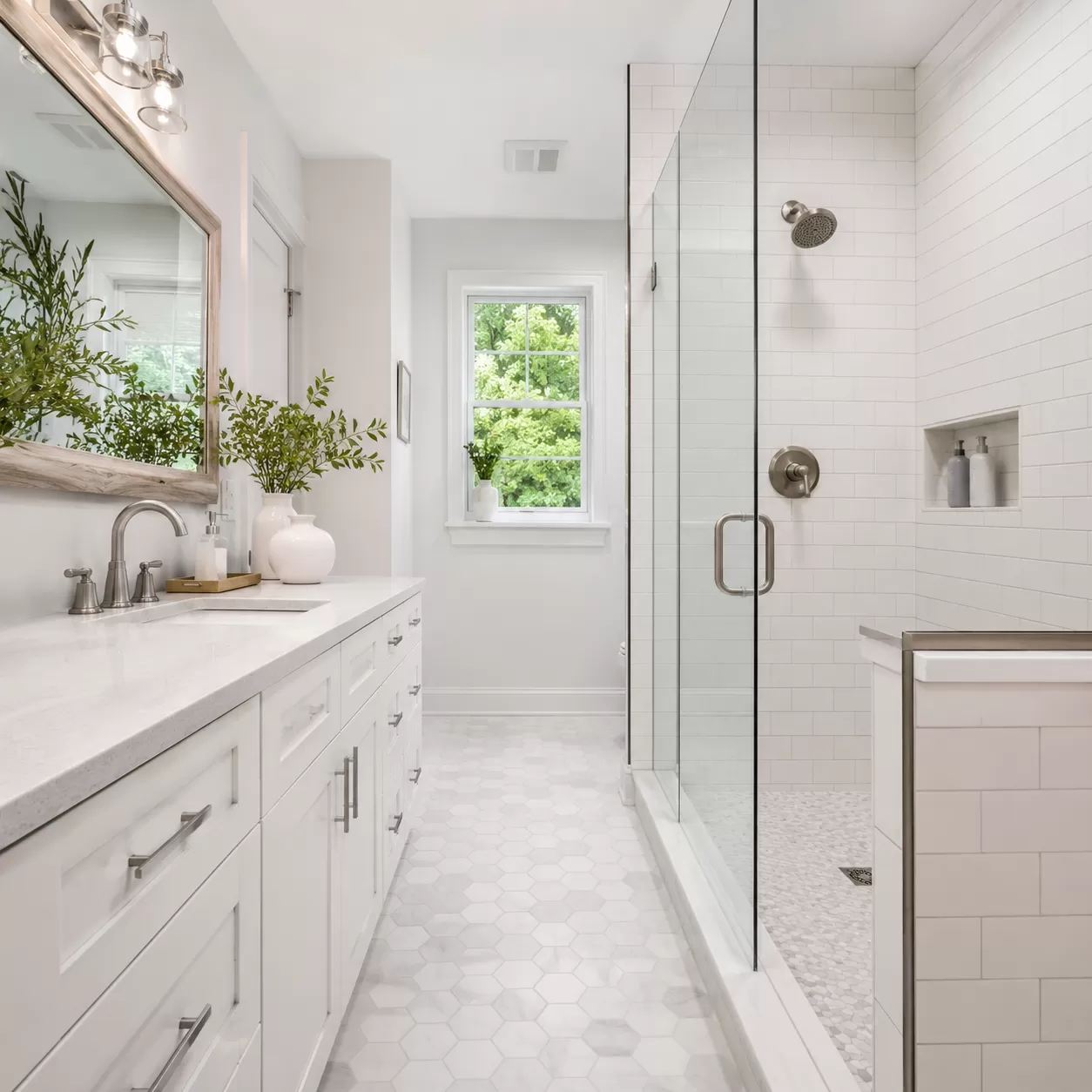
When people ask why are white tiles always used on toilet walls, the answer lies in their incredible versatility. White doesn’t mean boring. As a premier porcelain tile manufacture and supplier, we see firsthand how different shapes and textures completely transform modern homes.
Here are the top white tile options that balance style with everyday practicality.
Classic White Subway Tiles
You can never go wrong with the timeless subway tile. Originally used in old subway stations, these rectangular tiles have become a staple for residential toilet walls.
- Look: Clean, traditional, yet easily adapted to modern setups.
- Layouts: Can be laid in a classic brick pattern, herringbone, or vertical stack.
- Best For: Creating a reliable, familiar aesthetic that never goes out of style.
Modern Geometric and Hexagon Tiles
For those wanting to add personality to small rooms without using loud colors, geometric shapes are the perfect solution.
- Hexagons: Add a playful, honeycomb texture to the wall.
- Chevrons & Diamonds: Direct the eye upward, making the ceiling feel higher.
- Visual Impact: They capture light differently at various angles, breaking up the monotony of a solid white wall.
Elegant Marble and Stone Effect Tiles
If you love the look of luxury but want the durability of porcelain, stone-effect white tiles are the ultimate choice. These feature delicate grey or gold veining running through a crisp white background.
- Premium Feel: Instantly elevates a standard bathroom into a high-end spa.
- Camouflage: The natural veining is great at hiding minor water spots and dust.
- Affordability: You get the lavish look of real marble without the high cost and heavy maintenance.
Large Format Tiles for Seamless Walls
To make tight spaces feel like a larger space, large format tiles are the modern go-to option. By minimizing grout lines, these massive slabs create an uninterrupted flow of white across your toilet walls.
| Feature | Large Format Tiles | Standard Tiles |
|---|---|---|
| Grout Lines | Very few, minimal visual noise | Frequent, creates a grid pattern |
| Cleaning | Fast and easy wipe-down | Requires scrubbing grout lines |
| Space Effect | Makes small rooms feel expansive | Can sometimes feel cluttered |
Whether you prefer the crisp lines of subway tiles or the seamless look of large porcelain slabs, choosing the right shape ensures your white bathroom looks intentional, stylish, and modern.
Design and Styling Tips to Avoid a Cold or Sterile Look
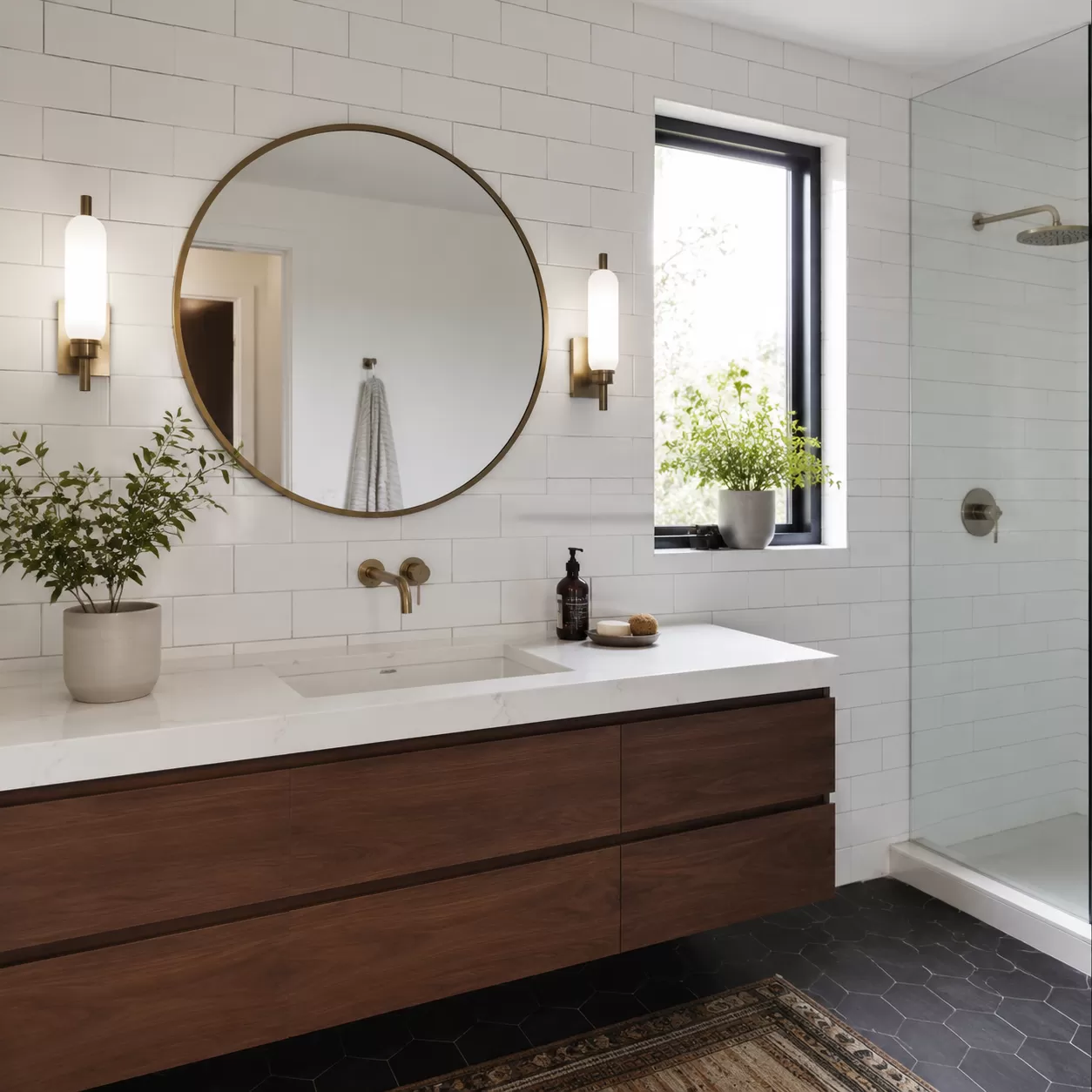
White tiles are the ultimate classic for toilet walls, but without the right styling, they can easily end up looking like a cold hospital clinic. As a long-time porcelain tile manufacture and supplier, we always tell our clients that the secret lies in balance. You can easily keep that clean, bright energy while adding warmth and personality to modern homes.
Choosing Between Matte and Glossy Finishes
The finish you choose completely changes how light behaves in small rooms.
- Glossy Finishes: These bounce light around efficiently, making them a go-to for maximizing a larger space. They are incredibly easy to wipe down but will show prints and water spots faster.
- Matte Finishes: These offer a soft, contemporary feel. Matte surfaces excel at hiding smudges and minor imperfections, giving the bathroom a high-end, spa-like texture.
Adding Contrast with Dark Grout Lines
If you want to break up a solid white wall without adding actual color, look to your grout.
- Charcoal or Black Grout: Creates a bold, graphic look that defines each tile shape. This is perfect for industrial or modern farmhouse aesthetics.
- Soft Gray Grout: Offers a subtle, framing effect that eases eye strain while still keeping the room feeling bright.
- The Bonus: Darker grout hides daily dirt and wear much better than standard white.
Incorporate Wood and Natural Accents for Warmth
To counteract the coolness of white porcelain tile, introduce natural materials. This juxtaposition grounds the room and makes it feel instantly welcoming.
| Accent Element | How to Implement It | Visual Impact |
|---|---|---|
| Natural Wood | Floating vanities, open shelving, or wooden mirror frames. | Adds instant organic warmth and texture. |
| Greenery | Potted paths, eucalyptus hanging in the shower, or small succulents. | Breathes life and vibrant color into neutral spaces. |
| Woven Textures | Rattan laundry baskets or jute storage bins. | Softens the hard, flat surfaces of the wall tiles. |
Combining White Tiles with Colored Walls
You do not have to tile from floor to ceiling. Running white wall tiles halfway up the wall—often called wainscoting—allows you to use the top half for paint or wallpaper.
- Earth Tones: Sage green, terracotta, or warm beige bring a cozy, grounded feel.
- Moody Darks: Navy blue or forest green create a high-contrast, luxury hotel vibe.
- Easy Updates: This setup allows you to change the entire look of your bathroom down the road with just a simple can of paint, keeping your flooring and tile investment completely intact.
The Drawbacks and Maintenance of White Wall Tiles
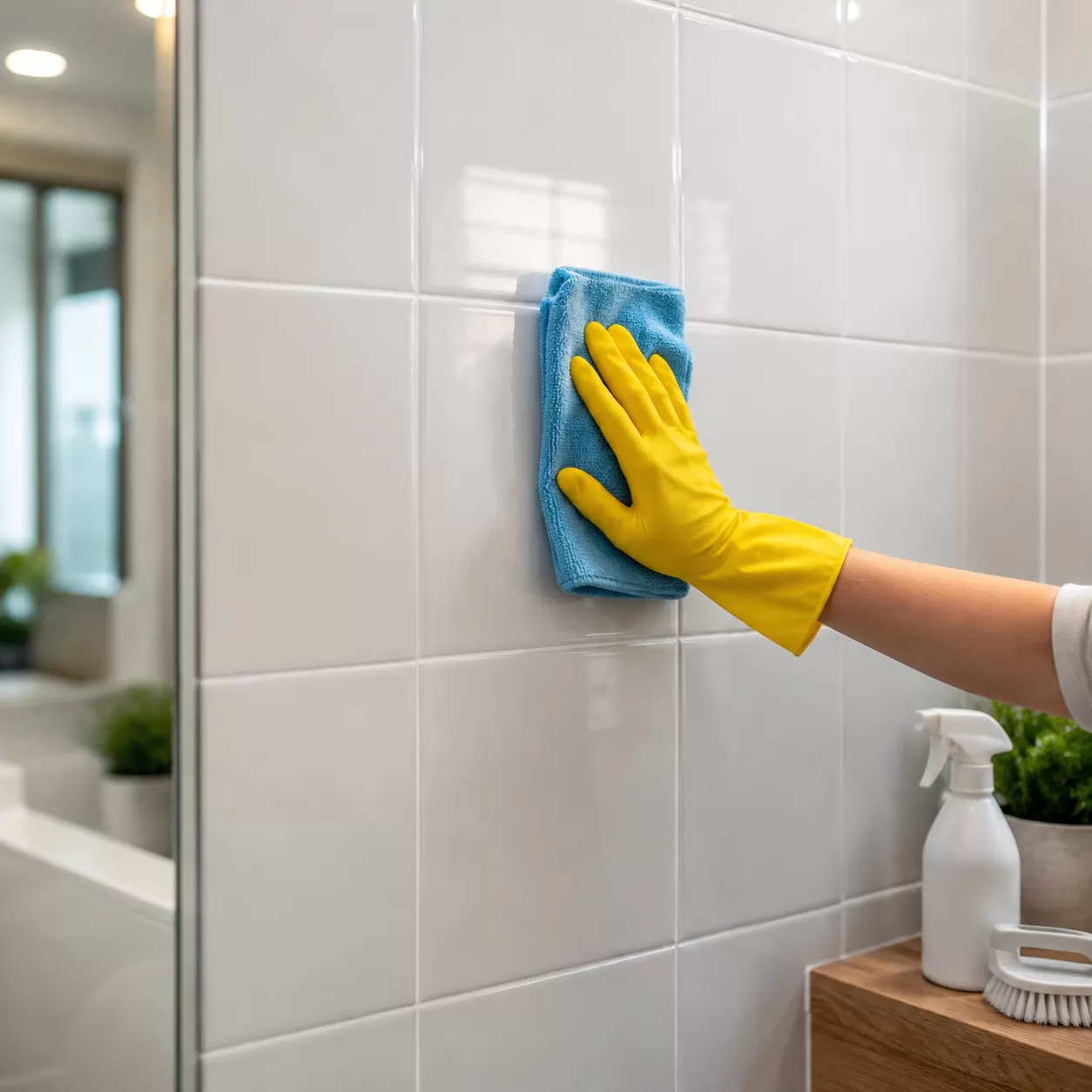
While white tiles are the ultimate choice for a bright, clean look, they do come with a few practical challenges. As a supplier, we always tell our clients that managing a white bathroom requires a bit of strategy. Because white reflects everything, it shows grime much faster than darker options. However, with the right routine, keeping them pristine is incredibly straightforward.
Visibility of Dirt and Water Stains
The biggest downside to white wall tiles is that they hide absolutely nothing.
- Soap Scum: Leaves a cloudy film over glossy surfaces.
- Water Spots: Mineral deposits from hard water show up as dull, matte rings.
- Hair and Lint: Stick to wet walls and stand out immediately against the pale background.
In high-use areas like showers and around toilets, these minor issues become visible daily, requiring more frequent wipe-downs than patterned or darker porcelain tile options.
Best Practices for Routine Tile Cleaning
Maintaining that fresh, out-of-the-box look doesn’t require harsh chemicals. A simple, consistent routine is all it takes to keep your walls sparkling.
| Cleaning Frequency | Method | Best Product |
|---|---|---|
| Daily Quick Wipe | Squeegee or microfiber cloth after showers | None (just wipe dry) |
| Weekly Deep Clean | Spray, sit for 5 minutes, scrub softly, and rinse | 50/50 Water and White Vinegar |
| Monthly Polish | Deep clean for stubborn water stains | Mild commercial bathroom cleaner |
Pro Tip: Always avoid abrasive scrubbing pads. They can create microscopic scratches on the tile glaze, which actually trap dirt and make future cleaning much harder.
How to Keep White Grout Looking Fresh
The real challenge of white tiling isn’t the tile itself—it’s the grout lines. Grout is porous, meaning it absorbs dirty water, oils, and shampoo residue, turning a frustrating shade of yellow or gray over time.
- Seal the Grout Immediately: Apply a high-quality grout sealer right after installation and reapply it annually. This creates a waterproof barrier that stops stains before they start.
- Baking Soda Paste: For stubborn stains, mix baking soda and water into a thick paste. Apply it to the grout lines, let it sit for 10 minutes, scrub gently with an old toothbrush, and rinse.
- Oxygen Bleach: For deep discoloration, use oxygen bleach rather than harsh chlorine bleach, which can weaken the grout structure over time.
Frequently Asked Questions About White Bathroom Tiles
Are white tiles hard to maintain in wet areas?
No, but they do show dirt sooner than darker colors. The tile surface itself, especially if you choose high-quality ceramic or porcelain tile, is waterproof and very easy to wipe down. The real challenge is the grout lines, which can trap soap scum and moisture if not sealed properly.
Do white tiles make a bathroom look bigger?
Yes, absolutely. White reflects the maximum amount of light, bouncing it around the room to break up harsh shadows. This visual trick makes small rooms and tight modern homes feel like a much larger space.
What color grout works best with white wall tiles?
It depends on the style you want to achieve:
- Matching White: Creates a seamless, clean, and invisible look that expands the room.
- Light Gray: The most practical choice. It offers soft definition and hides everyday water stains well.
- Dark Gray or Black: Delivers a bold, industrial contrast that makes classic subway shapes pop.
